Blog
Blog
SOFemArt Introduces New Programming Partner Jirani Coffeehouse
"We're excited to share the first of many strategic programming partners The State of Fem Art is collaborating with to curate safe spaces and programming for our community. When we think about alignment, we could not think of an intimate space that feels more welcoming to begin that journey with in Virginia than Jirani Coffeehouse," said SOFemArt Founder, Timea Faulkner.
Following the COVID-19 pandemic of 2020, when SheROCKS event pivoted to a virtual experience, Love Life Media made the decision to establish a community of the women artists it celebrated through the annual showcase. The State of Fem Art became the virtual community-driven extension of the friendships, connection, support, and collaboration which was first cultivated during the in-person event. As the world continues to embrace the importance of human connection, safe spaces, and arts as a form of healing and cultural meaning-making, SOFemArt is working with businesses like Jirani's Coffeehouse to continue to impact women artists.
"Jirani Coffeehouse was founded as a space for gathering, storytelling, and shared humanity. Partnering with The State of Fem Art allows us to live that mission more fully by supporting women in the arts through thoughtful programming, creative expression, and community-centered experiences. We’re excited about what we’ll build together, said Ken Moorman, CEO of Jirani's Coffeehouse.
One of the many program initiatives The State of Fem Art will be hosting at Jirani's is Creatives + Coffee, a creative meet-up for SOFemArt artists + creatives to connect over coffee, good vibes, and creative activities starting in March.

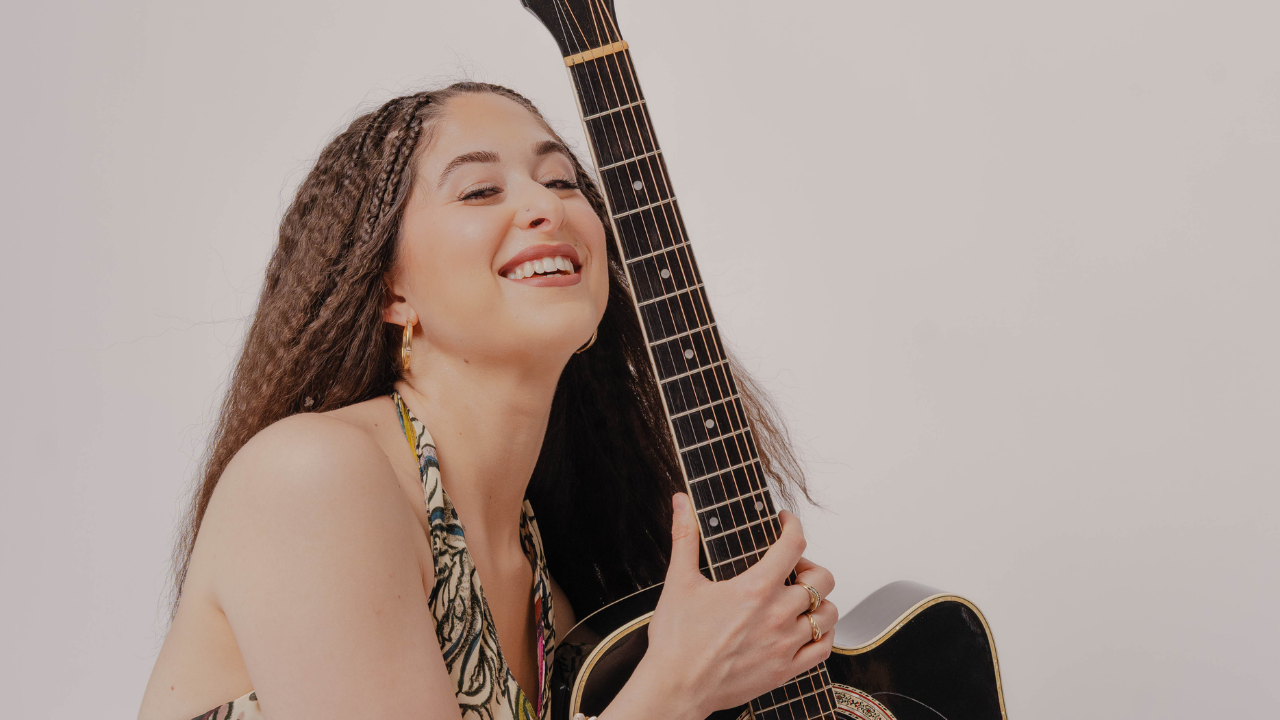
Meet SheROCKS 2026 Artist: Francesca Fuentes
After navigating a deeply personal and professional split that left her at a crossroads, Francesca chose reinvention over retreat. As she prepares to release a long-awaited full-length album in 2026, this conversation captures an artist who has moved through loss and emerged with clarity, independence, and a powerful sense of direction.
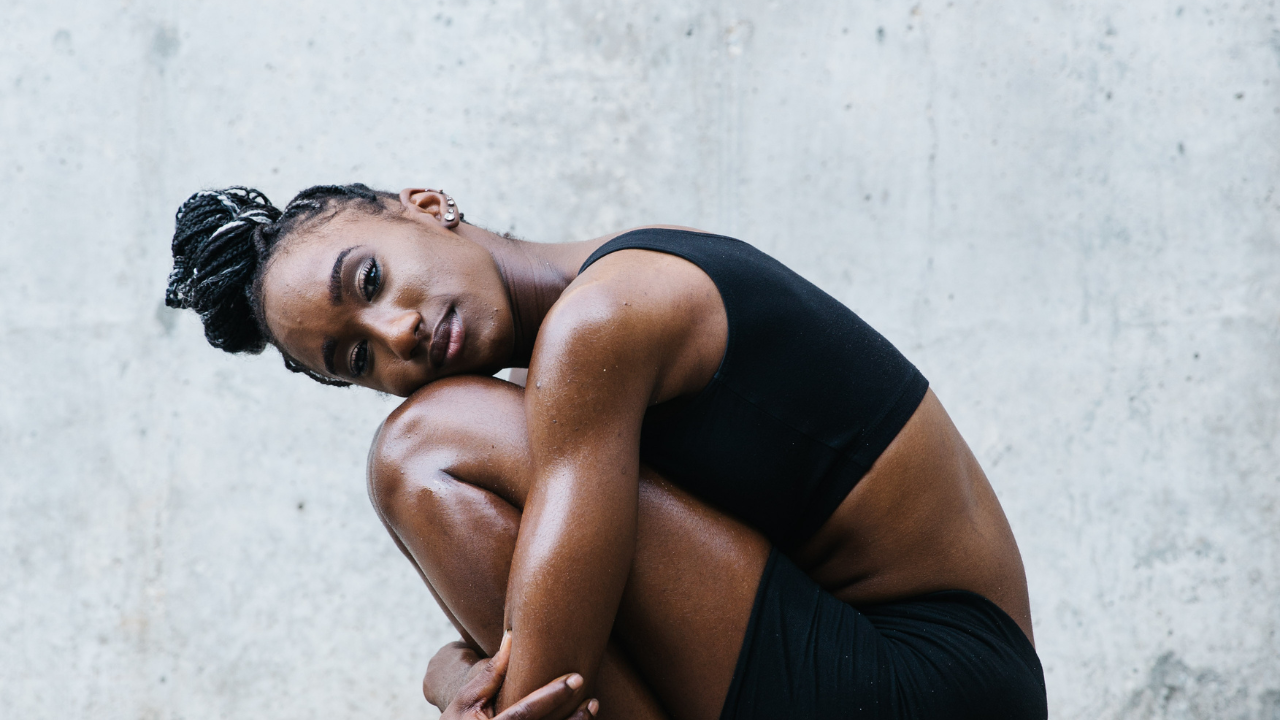
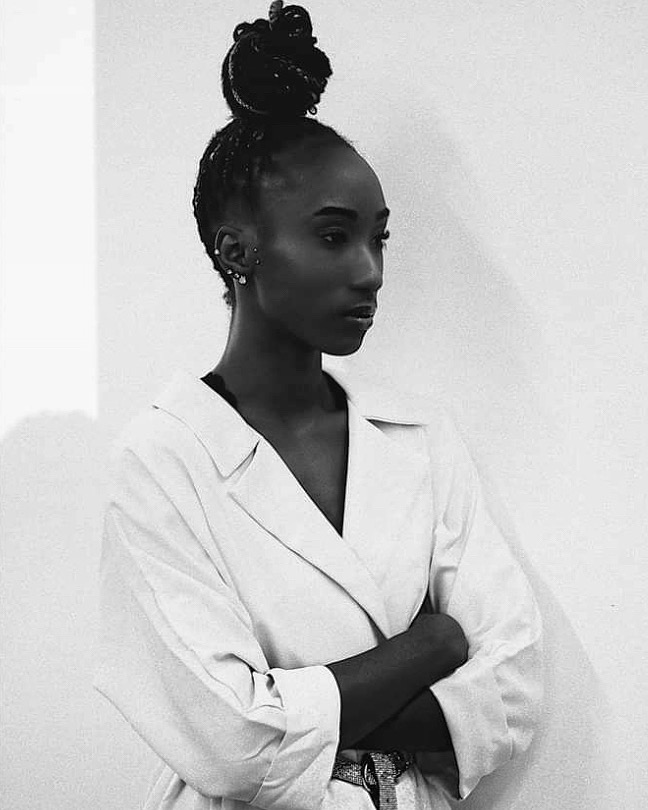
Meet SheROCKS 2026 Artist: LaTeisha Melvin
Whether she’s building training pathways for young dancers or crafting performances that invite reflection and dialogue, LaTeisha Melvin approaches choreography as a collective experience. Through founding initiatives like MUVE|MEANTS and leading theEnsemble Dance Collective, she bridges rigorous training with expressive inquiry, creating spaces where dancers are strengthened both technically and emotionally. In the conversation, she explores how Baltimore’s artistic landscape informs her values, why collaboration sits at the center of her creative process, and why she decided to participate in SheROCKS again.
Q: When did you first recognize dance was your primary path as an artist?
LaTeisha Melvin: Dance has always been a part of my life. I began dancing in the church, where I discovered a love for movement at a very young age, and it simply stayed with me. As my training deepened at the Baltimore School for the Arts, I realized dance was more than a passion. It was a path I wanted to commit to long term. Those experiences confirmed that movement was not just something I enjoyed, but the foundation of who I am as an artist.
Q: You’re known for technical precision and the emotional depth of your choreography. What does your creative process look like when planning a performance?
LaTeisha Melvin: My creative process is deeply collaborative. It often begins with sound or texture that I feel an immediate connection to, which then becomes the catalyst for movement. As the concept starts to take shape, I bring the work into the studio with my company, theEnsemble—using them as a vessel to expand, question, and deepen the material. The movement becomes a fusion of my choreographic voice and the lived experiences the dancers bring into the space. That exchange is what gives the work its emotional depth. As each artist contributes a distinct perspective and movement quality, that shapes the piece into a fully realized performance.
Q: How has the city of Baltimore shaped you as both an artist and a community-centered collaborator for other dancers?
LaTeisha Melvin: Baltimore is home. It’s where my foundation was built and where I intend to continue growing and contributing to the city’s arts scene. The diversity of Baltimore has deeply influenced the work I create. Being surrounded by artists of different backgrounds, artforms, and perspectives constantly shapes my voice. The city’s openness and willingness to pour into the community has taught me the importance of collaboration, shared resources, and creating space for others. That sense of collective care and creativity is at the core of how I move as both an artist and a community-centered collaborator.
Q: As an instructor, you emphasize both individual growth and collective artistry. How do you design learning spaces that make dancers feel both challenged and supported?
LaTeisha Melvin: As an instructor, I believe in creating learning spaces that both educate and engage. I intentionally design my classes to meet dancers where they are creatively and technically so they feel seen while still being challenged to grow. Teaching across various studios has allowed me to build inclusive environments that honor different learning styles, bodies, and artistic voices. I place a strong emphasis on conditioning and strengthening the body, believing that a solid foundation is essential for longevity. By balancing technical rigor with encouragement and care, I aim to foster spaces where dancers feel supported, empowered, and invested in contributing to the collective artistry of the room.
Q: You founded MUVE|MEANTS during the pandemic to train young artists. What gaps were you seeing in dance education that inspired you to create this platform?
LaTeisha Melvin: During the pandemic, much of my students’ training came to a sudden halt, which was especially challenging for those preparing for collegiate or professional paths. Many of the studios I worked with shut down, leaving dancers searching for a new sense of home and consistency. Unlike many other art forms, dance requires ongoing rigor to maintain technique, strength, and tone. Recognizing this gap, I used Zoom to stay connected with students and continue supporting their training during an uncertain time. As word spread about my approach and emphasis on strength building, what started as a temporary solution evolved into MUVE|MEANTS, a platform designed to provide continuity, access, and high-level training. Today, it has served more than 10 studios and over 50 students, filling a critical gap in dance education in the DMV area and reinforcing the importance of sustained, accessible instruction.
Q: theEnsemble Dance Collective highlights fusion, diversity, and community. How is this different from MuveMeants and what conversations do you hope audiences are having after witnessing your work with the collective?
LaTeisha Melvin: MUVE|MEANTS and theEnsemble Dance Collective serve two very different, yet complementary, purposes in my work. MUVE|MEANTS is strictly a training-based service, focused on one-on-one coaching, audition preparation, and guest teaching, with an emphasis on building strong, sustainable technique. In contrast, theEnsemble Dance Collective is a community of freelance artists brought together to perform work rooted in a shared experience. Through the collective, I am less focused on instruction and more invested in dialogue—using performance as a way to explore identity, connection, and the human experience.
Q: Is there a moment or performance that felt especially transformative for you or your dancers?
LaTeisha Melvin: One of the most transformative performances for me to date is my senior capstone, Better | Left, choreographed in 2015. I created the work after sustaining an injury during my junior year that forced me to take a semester off and return later, ultimately graduating behind my original class. The piece held both the physical and emotional weight of that experience of navigating recovery, isolation, and the uncertainty of returning to my body and my craft in the same way.
Looking back, the work feels almost prophetic. It mirrored a sense of collective pause and isolation that we would all experience less than five years later. I often think about how the duality of time has a way of revealing purpose—how moments of stillness and struggle can later gain new meaning. That introspection continues to live in my work, inviting both my dancers and audiences to reflect, sit with complexity, and find connection within vulnerability.
Rapid Fire: Improv or choreography with a sunrise rehearsal or late-night creation session? (You can only pick one each.)
LaTeisha Melvin: Late Night - Choreography session
Q:: You're a SheROCKS alumni artist. What made you resubmit to be a part of the showcase again and what are you most excited to share with the audience this time through dance?
LaTeisha Melvin: Once I saw that SheROCKS was happening again, I knew it was something I wanted to be a part of. The showcase is intentional, inclusive, and truly woman-centered, which made the experience feel both affirming and empowering the first time around. I built meaningful connections and had the opportunity to present my work to a broader audience than I typically reach.
Returning to the showcase feels like a continuation of that dialogue. This time, I’m most excited to share work that reflects my growth both artistically and personally, and to offer the audience a deeper, more layered experience through movement and to support the celebration of women’s voices.
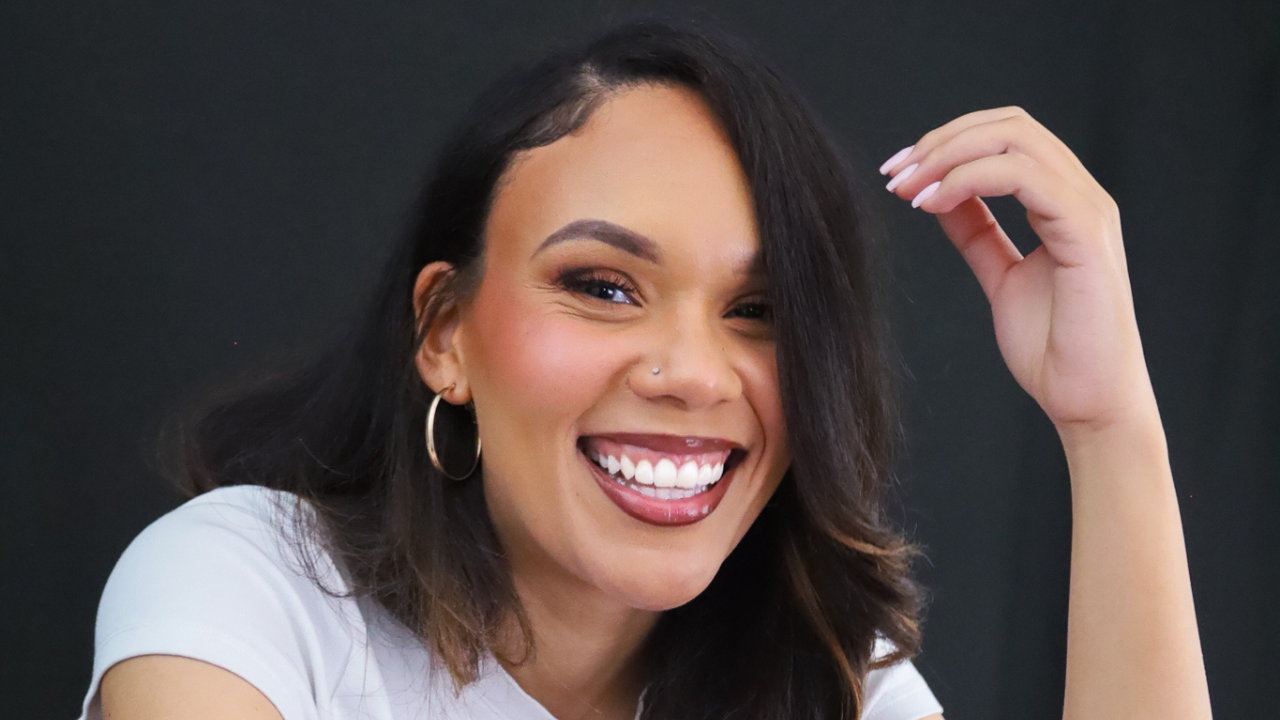
Meet SheROCKS 2026 Artist: Lilo Marz
While she has shared stages with some of the most influential voices of our time, Lilo Marz credits her purpose not to proximity to power, but to the lived realities she has witnessed in classrooms and communities often pushed to the margins. Her artistry is shaped by the understanding that some truths are personal and tender, while others are collective and urgent. Long before performing alongside cultural icons, her purpose was forged in classrooms, community spaces, and moments of bearing witness to systems impacting her students.
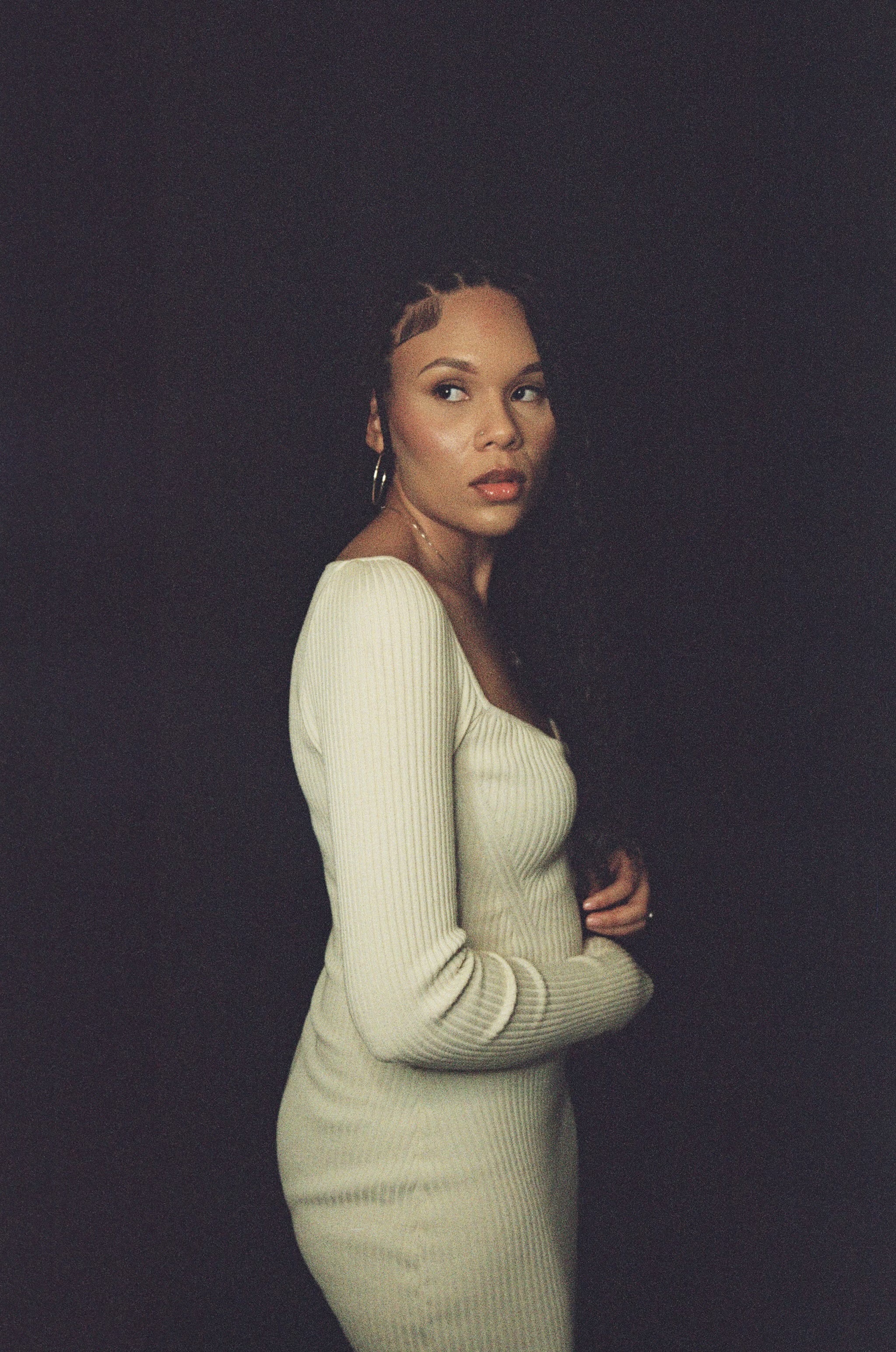
Q: When you’re writing, what usually guides you first, the personal truth or the social truth?
Lilo Marz: This is dependent on the topic I'm writing about. A social truth is imperative when I'm writing about social justice issues. There are specific barriers that marginalized groups of people experience and the history behind these issues is not subjective. A personal truth is geared more towards my experience as an individual. Some things that are true for me may not be for someone else. Once I've decided on a topic to write about, then I can make my decision of which truth comes first.
Q: You’ve performed alongside changemakers like Michelle Obama and Lin-Manuel Miranda. What moment from those experiences did you take away that fueled your purpose as an artist or activist?
Lilo Marz: Sharing the stage with Lin Manuel Miranda and our first Lady Mrs. Michelle Obama was nothing short of an honor. However, these two performances did not fuel my purpose as an artivist, being a teacher did. I was able to perform with these two important people because I already had something to fight for. I have always been an artist for something beyond myself, not for recognition. My experiences in classrooms, in underserved and over policed communities, with incarcerated youth and with children in protective custody changed the way I chose to use my art.
Q: How do you hold space for others while still caring for your own emotional well-being as a performer?
Lilo Marz: I’m still learning. Some days I’m balancing my heart and the room’s heartbeat like a circus act. I try to separate my own emotions when I need to, and other times, if I feel the room can hold it, I let the rawness show. I remind myself that what I’m feeling is human, valid, and temporary and that the mission is bigger than my moment. It’s a constant dance of presence, boundary, and grace.
Q: As a teaching artist, how do your students influence the way you write, speak, or imagine the future through your work?
Lilo Marz: Firstly I'd like to say that my students are by far some of the most amazing people I have met and will ever meet! They have been such a gift to me. They’ve taught me that art is never one-size-fits-all, there’s always another layer to peel back, another way to say the same truth. Because of them, I write more clearly, think more flexibly, and push myself harder. They changed the way I approach obstacles, the way I communicate, and the way I dream. They make me believe the future is loud with brilliance and ready for change.
Q: You’ve performed everywhere from classrooms to rallies. How does your approach shift when you’re writing for education versus writing for protest or performance?
Lilo Marz: When writing for a classroom, especially if I'm the one teaching I think about how to layer learning. A poem alone may work for some audiences but when you are really trying to reach someone to teach them something you feel is valuable, you need some assistance! I like to use clips from tv shows like "In Living Color", "A Different World", even Disney films. Eventually we will expand on the bigger themes in the lesson. When I am writing in protest or for a rally I try to balance the facts and feelings. We protest because we care. We don't march for the sake of walking in a crowd. Something means so much to you that you made signs, called friends and family and you are staring police officers in the face. So my protest writing holds emotion in one hand and research in the other. I want people to feel, but I also want them to know.
Q: Your upcoming book Thorns and Roses will explore both pain and beauty. What themes or poems in the collection feel the most essential to your story right now? Or what can we expect?
Lilo Marz: Honestly, the whole book feels essential to who I am right now. It took eight years to build, and it grew with me. I started writing it in deep confusion and hurt, but once I realized the theme was duality, I saw how the pieces mirrored my growth. This isn’t the voice of a college freshman anymore — it’s the voice of someone who’s lived, lost, learned, and laughed again. Readers can expect honesty, reflection, and moments that feel like looking in a mirror.
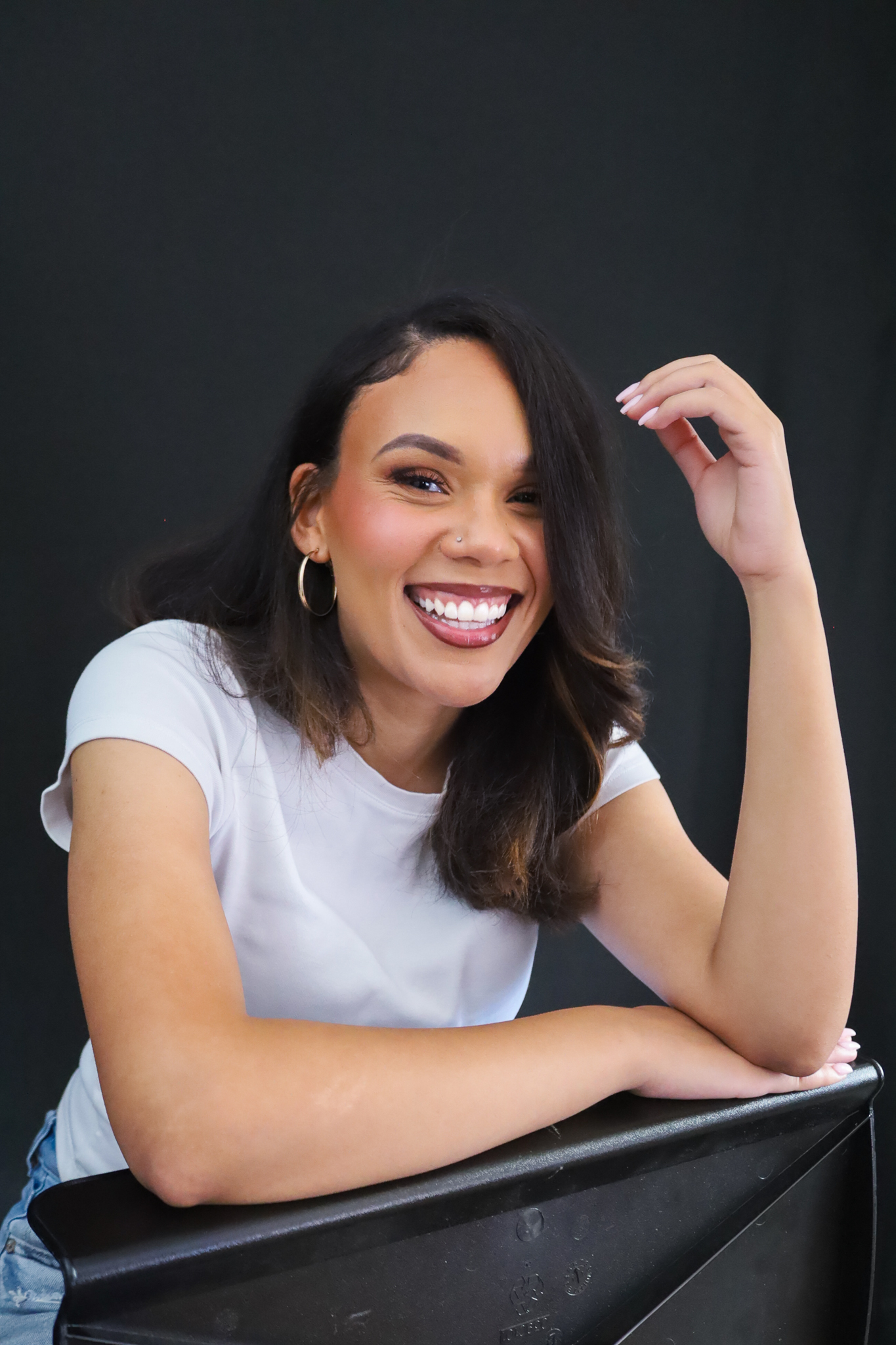
Q: Your art is deeply rooted in community accountability and collective healing. What conversations do you hope your work sparks?
Lilo Marz: I hope my work starts conversations that don’t just sit in the air they move people toward action. When I was with G!RL BE HEARD, we were taught that every piece needs a call to action. I still believe that. I want people to walk away thinking not just about the injustice we name, but the ways they can challenge it in their daily lives.
Q: Twelve years into performing, how has your relationship to your own voice evolved onstage, on the page, and in the world?
Lilo Marz: Thirteen years in, I’ve learned to love my voice, not shrink it. I started out writing just to survive the day-to-day, keeping myself small. When people started calling my voice “too militant,” I had to step back and understand that strength isn’t a flaw. My voice has matured with me; it’s more intentional, more grounded, and more confident now. Onstage and on the page, I speak with purpose. And in the world, I’m simply grateful to have something meaningful to contribute.
Rapid fire: One line you’ve written that still gives you chills — go!
Lilo Marz: "Diamonds lose value in the wrong hands, and daughters do too"
Q: What are you most excited for audiences to feel, hear, or hold onto when you take the stage at the March 2026 SheROCKS showcase?
Lilo Marz: I’m excited for people to truly experience the work to hear pieces that are honest, reflective, researched, and rooted in care. I’ve poured so much intention into every poem. If just one line lands in someone’s chest and stays there, if one moment makes them rethink their world or their worth, then I’ve done my job.
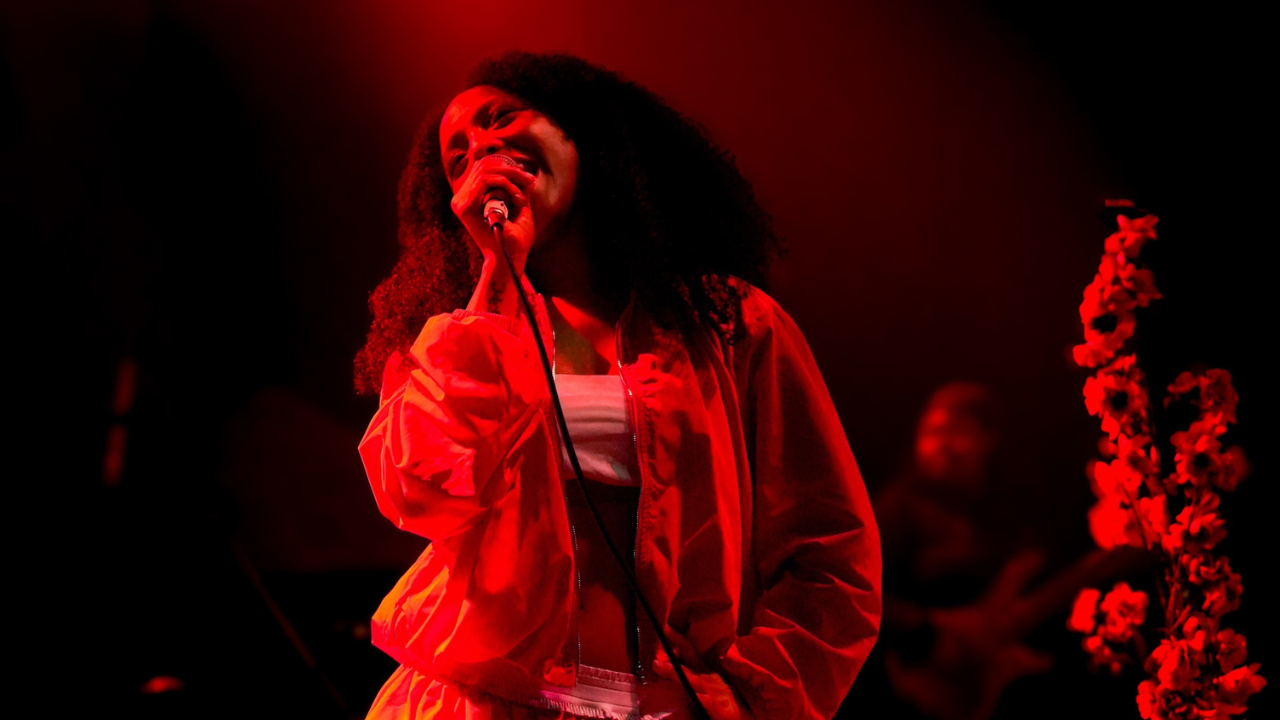
Meet SheROCKS 2026 Artist: AINAE
AINAE’s music feels lived-in—shaped by many homes, many sounds, and many ways of seeing the world. Growing up in a family where cultures, languages, and creative practices overlapped, she learned early that music could hold history, longing, and imagination all at once. That foundation still guides her today, from the joy-driven curiosity of her earliest songwriting to the reflective depth of her latest work.
.jpg)
Q: You can hear the influence of your Ethiopian, Black American, and Caribbean heritage in your sound. How has heritage helped you shape your artistry?
AINAE: My upbringing has a huge hand in the sounds I love and the perspectives I bring to my music. Coming from a family of immigrants, my approach to chasing dreams is different. My family is a real melting pot—American, Ethiopian, Crucian, Danish, and probably a few more! I always lived at the intersection. I grew up going to Mariam [the Ethiopian church], until I was about 10. I would just soak in the music. My mom and I would drive home from school listening to Jasmine Sullivan, Justin Timberlake, and Amy Winehouse on repeat, singing every line. At home, my dad was recording rappers and singers from the neighborhood in our basement studio, and my grandma had me serving tables at her jazz club, Twins Jazz. Music and literature were always part of my world, and that shaped how I see life and create. My music reflects all the journeys I’ve been on and the dreams I’ve witnessed in the people around me.
Q: You started writing songs at age eight. When you look back at that younger version of yourself, what parts of her still guide your creative process today?
AINAE: That little girl still shows up every time I start something new. The rush of excitement, that “omg, we have something!” feeling. She brings pure joy and curiosity. Over the years, my process has changed a lot. I used to chase perfection but now I let myself create without judgment, at least in the early stages. That inner child keeps it fun and reminds me why I started.
Q: “Looking Glass” is your newest EP. What themes or truths were you exploring while creating this project?
AINAE: I recently released “Looking Glass” in October, and it holds a special place in my heart. It was created partially in DC and Atlanta, but most of it came to life during nine months in Norway. making music every single day. I really shed layers and got to the root of who I am. The project explores love in its purest, most naive form. The rose-colored glasses. The romantic-comedy version of falling in love. It’s the moment before reality sets in, before you realize love takes work, not just infatuation.
Q: You’ve had electric moments on big stages from The Voice to SXSW to AFRAM with Patti LaBelle. Which moment challenged you the most, and what did you take from it?
AINAE: The Voice was definitely an eye-opening experience. It felt like a stamp of approval at a time when I was questioning if music was really for me. Being on Kelly Clarkson’s team was surreal...so many “pinch me” moments. But more than anything, it challenged me to take up space and be disciplined. It made me realize no dream is too big. If I could do that, I could do anything.
Q: Your lyrics are very introspective. What’s something you’ve recently learned about yourself that found its way into your music?
AINAE: I’ve realized that when it comes to love, I’m still a bit naive and afraid. Afraid of conflict and of repeating the patterns I saw growing up. “Looking Glass” is about that naivety, before I understood love as a verb, not just a feeling or a fantasy from movies.
Q: Your single “Weekend Lover” has built steady momentum. What does its success mean to you at this stage in your career?
AINAE: My idea of success has really shifted. Every year I set new goals, and I feel blessed to have performed at SXSW and to open up for artists that I've looked up to. I’m proud to consistently release music and have fun with the process- that’s what I love most.
Q: As someone inspired by Jamiroquai, Erykah Badu, and Lauryn Hill, how have those artists influenced you to create something distinctly “Ainae”?
AINAE: All those artists are unapologetically themselves, blending unconventional sounds into classics. I love lyricists. Wordplay and double meanings always get me. I’ve enjoyed putting on my producer hat, experimenting with weird sounds and different perspectives, just like they do.
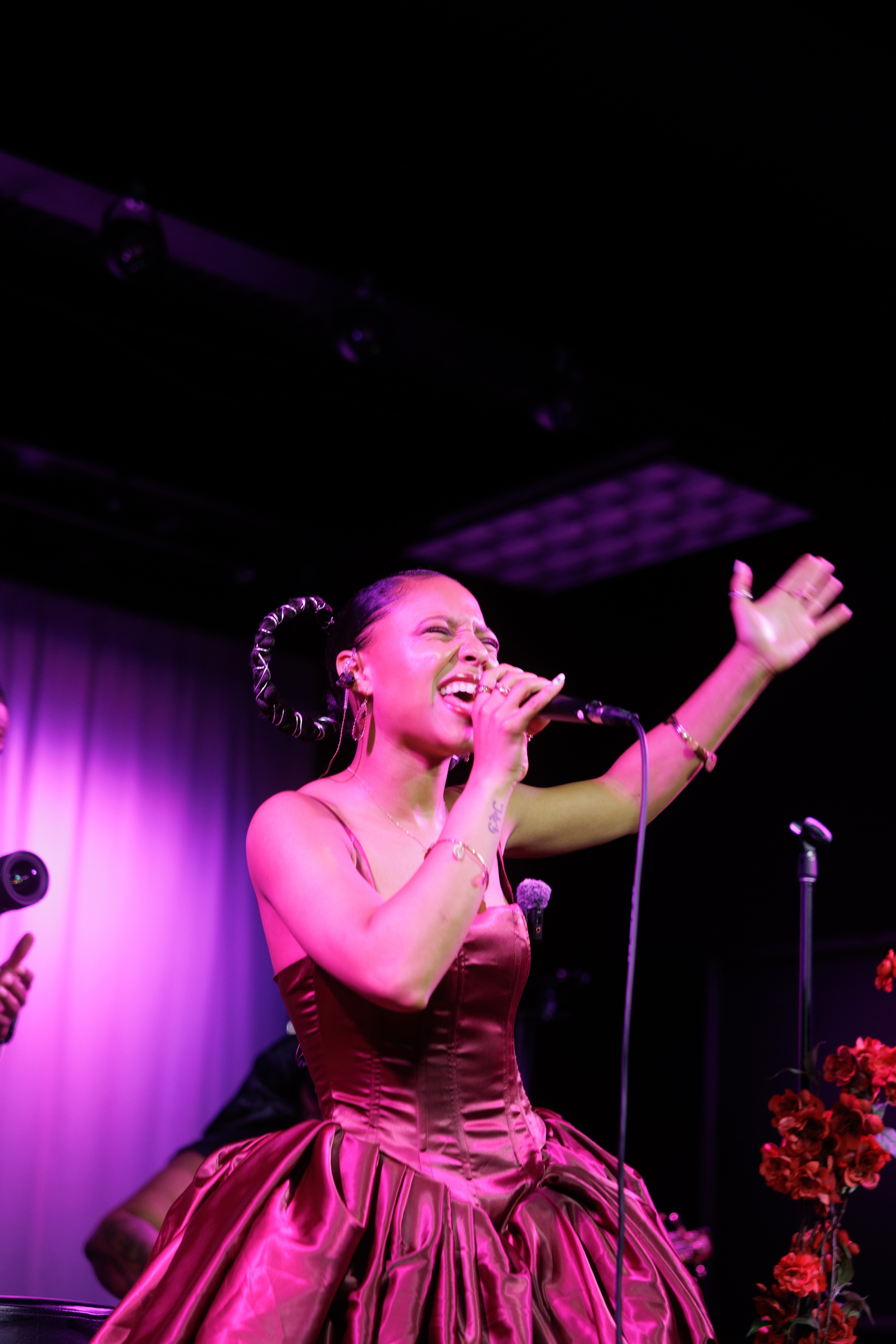
Q: You sold out Union Stage in D.C.. How has the D.C. music community helped shape the artist you’ve become?
AINAE: DC is home! It’s seen every side of me, every version of my artistry. I’ve been lucky to have so much support from the DMV. I built my confidence here and found the freedom to try new things. DC loves live music, and it’s been fun testing out new material and seeing what clicks.
Rapid Fire: A song you wish you wrote — go!
AINAE: “Moving Out” by Billy Joel.
Q: What are you most excited for audiences to experience when you take the SheROCKS stage at the March 2026 showcase?
AINAE: I am most excited for the audience to smile and have a good time with me! I think there's a pure joy in sharing vulnerability and dancing at the same time, so I hope that can be felt on stage and in every listening ear.
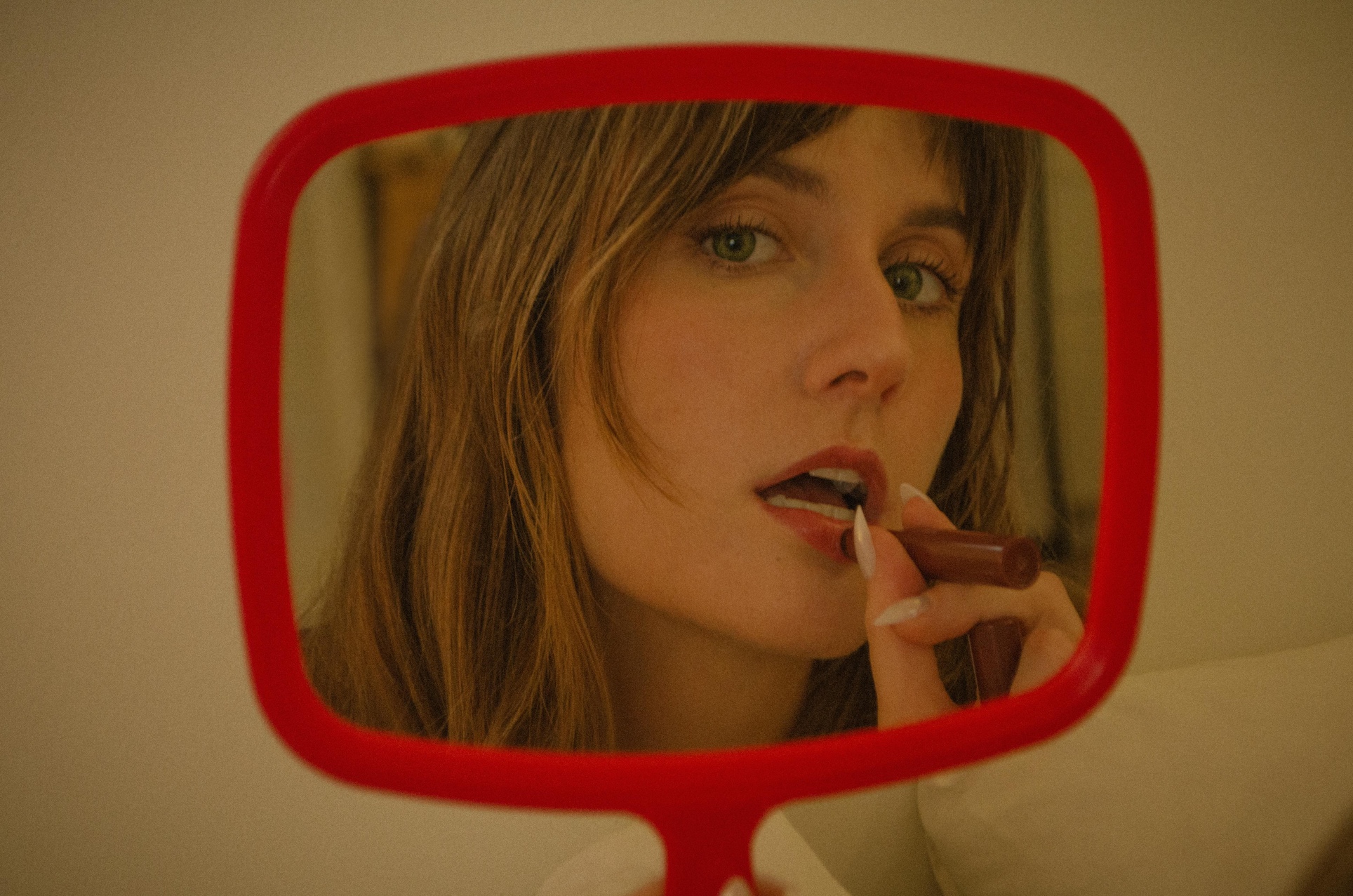
Meet SheROCKS 2026 Artist: Camille Fleur
Camille’s music doesn’t rush, it lingers. She opens up about the personal reinvention behind her upcoming project Liminal, the courage it took to step outside industry expectations, and what it means to build a creative world that feels true to her.
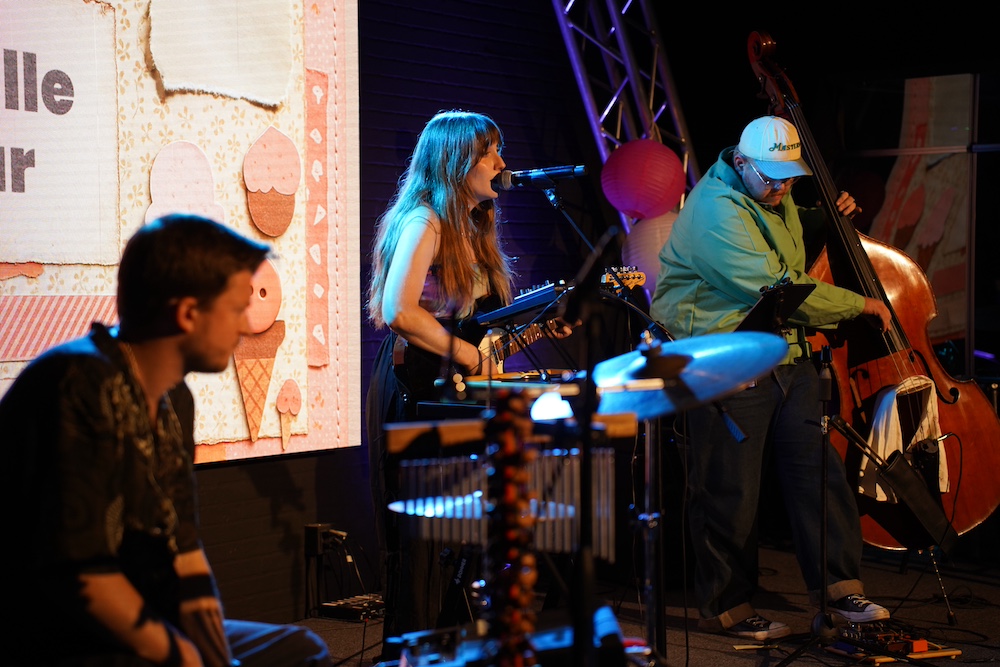
Q: Your music lives in that space between the intimate and the expansive. What draws you to the idea of liminality, and how does it shape the world you create sonically?
Camille: I’m drawn to the moments where life feels in-between, when you’re not who you were, but not yet who you’re becoming. Musically, I love creating spaces that feel like you’re floating in that space: close, warm, but reaching toward something.
Q: As you work on your forthcoming project, “Liminal," what personal experiences or transitions are influencing this project the most?
Camille: “Liminal” comes from a period of reinvention, stepping away from industry expectations, leaving old versions of myself behind, and learning to trust my instincts as an artist.
Q: Your production style feels warm and dreamlike. What textures or sounds do you instinctively reach for when you’re building that atmosphere?
Camille: I gravitate toward soft synth pads, breathy vocals, and gentle strings. I like sounds that feel like they’re glowing, slightly blurry at the edges.
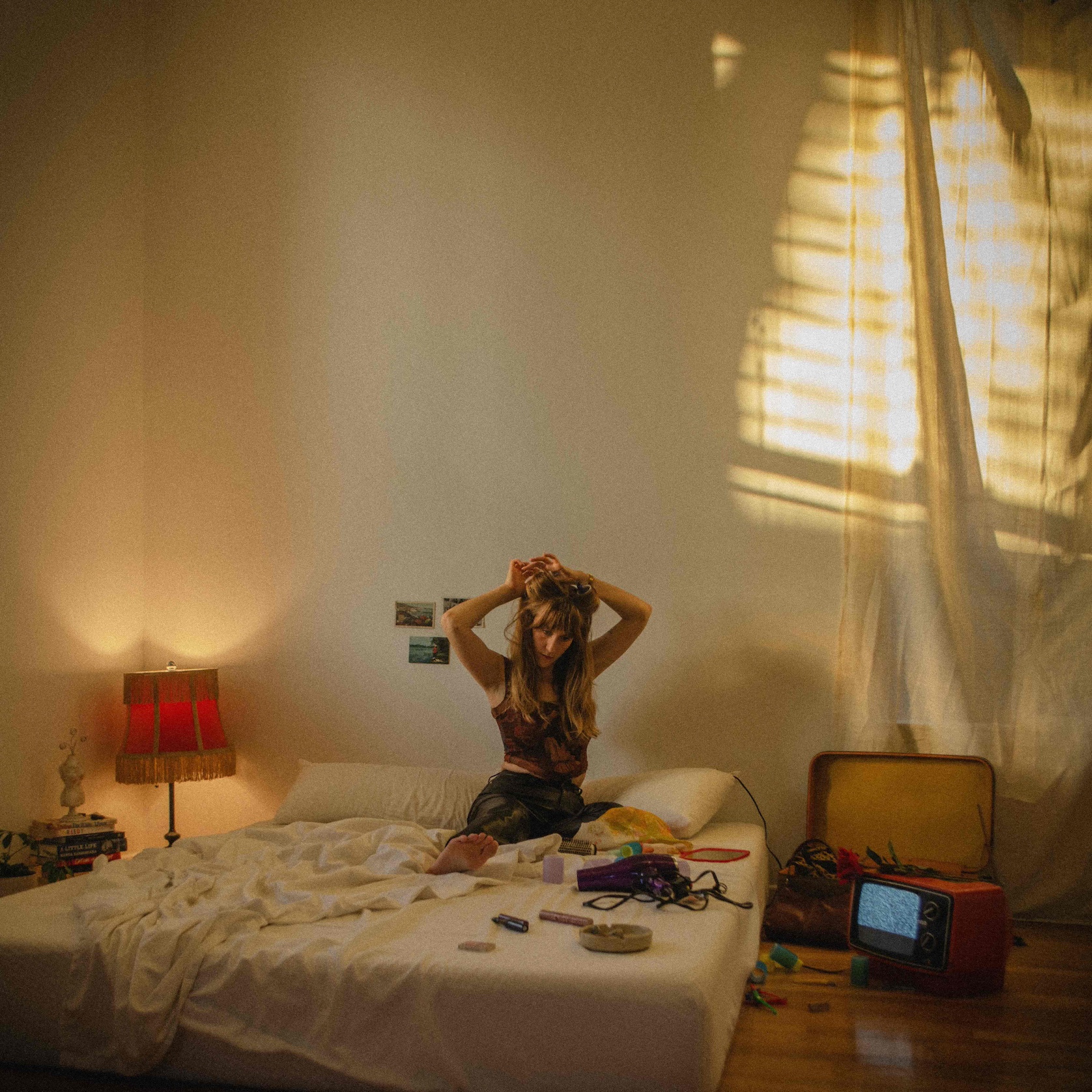
Q: There’s a cinematic quality to your aesthetic as an artist. If your new music were a film, what would the opening scene feel like?
Camille: A slow sunrise over an empty city street, quiet, gold, and full of possibility!
Q: Emotion and introspection are central to your writing. How do you balance vulnerability with artistry when sharing such internal moments?
Camille: My goal with my music is to share just enough to let someone see themselves in the song. The honesty is real, but I frame it in a way that leaves space for the listener to breathe.
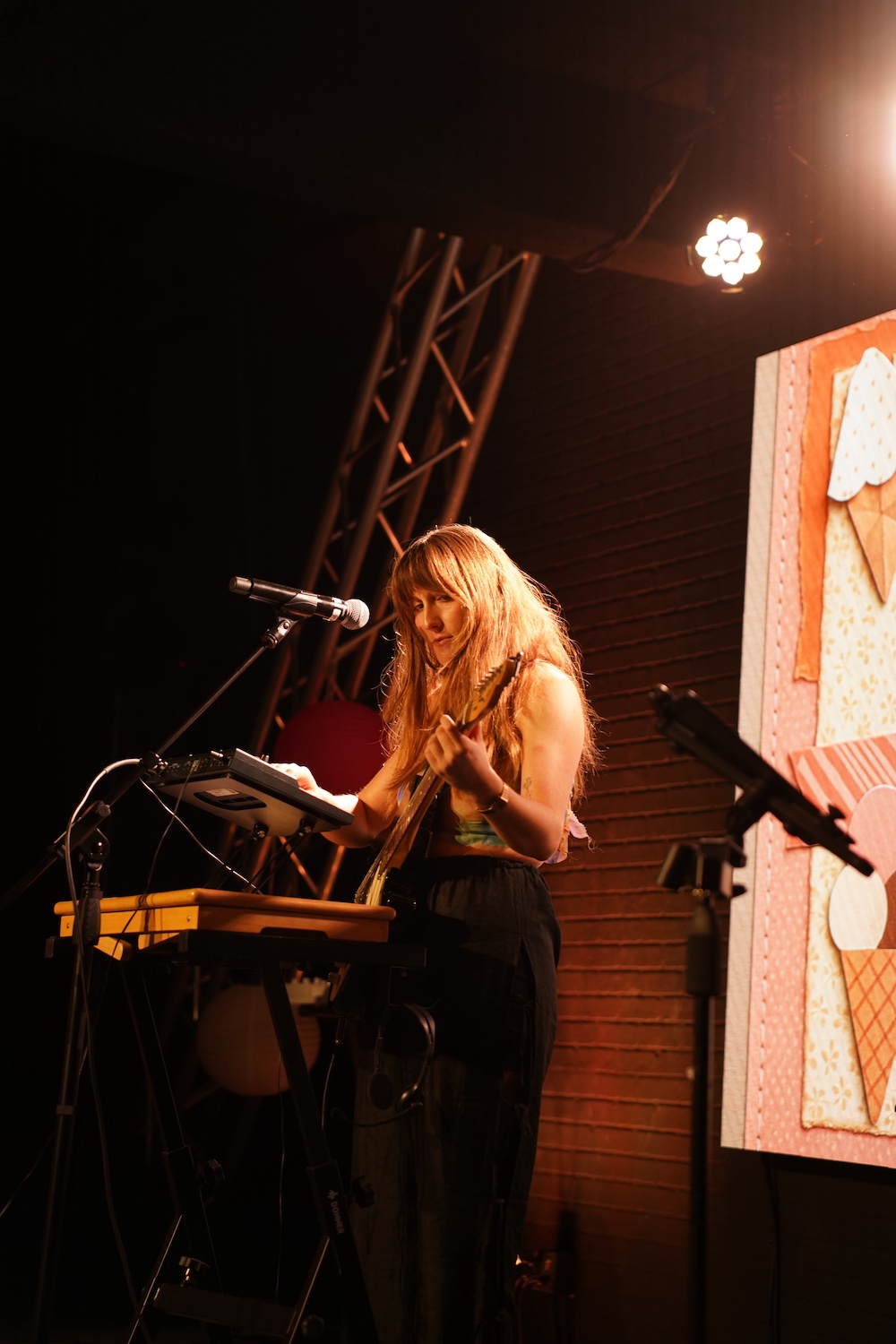
Q: As a musician rooted in Los Angeles, how has the city — its pace, its beauty, its chaos — shaped the evolution of your sound?
Camille: LA is a city of contrast: softness inside noise, calm inside ambition. That tension really inspires my music, dreamy, but grounded.
Q: Your music often evokes a sense of becoming. What does transformation mean to you at this stage in your creative journey?
Camille: Transformation means choosing myself, not the safe version, but the true one. It’s trusting my ideas, even when they don’t fit anyone else’s template.
Q: Is this new project a transition into a fresh era for you? What have you discovered about yourself while making “Liminal”?
Camille: Yes, it’s my first era of creating music made entirely for me. I’ve discovered that my voice, both literally and artistically, is stronger when I stop trying to belong and instead create the world I want to live in.
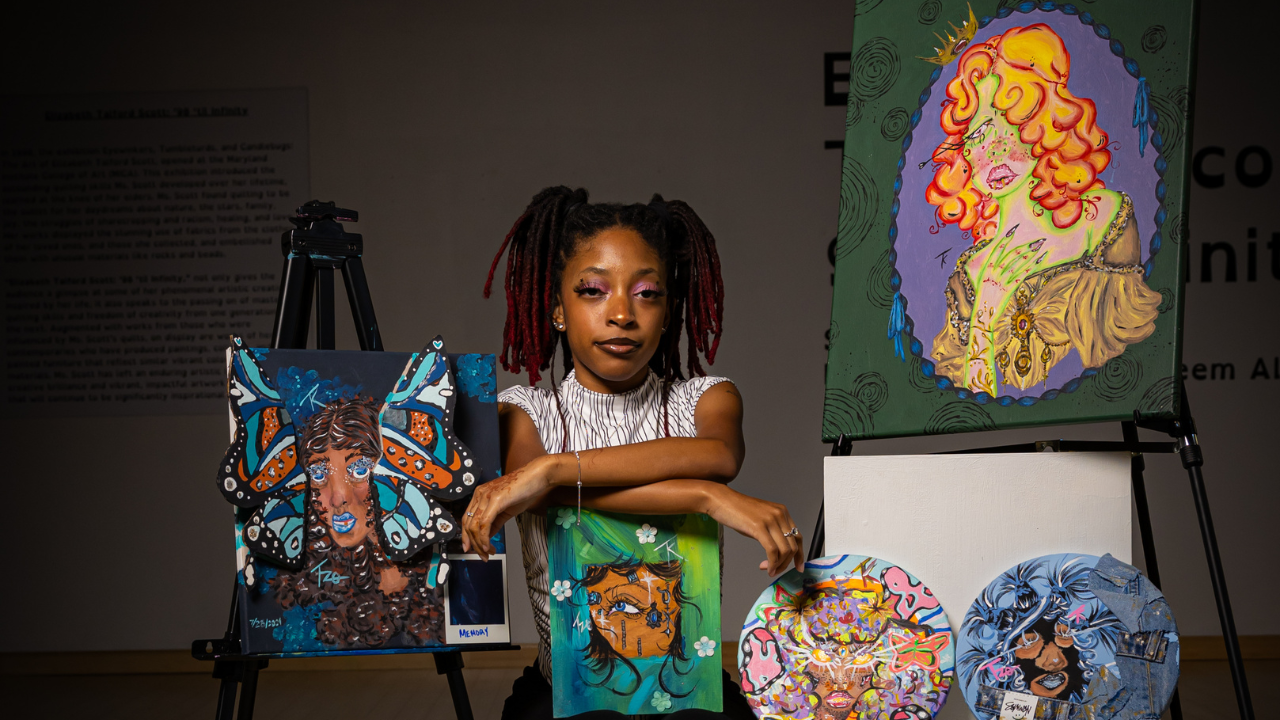
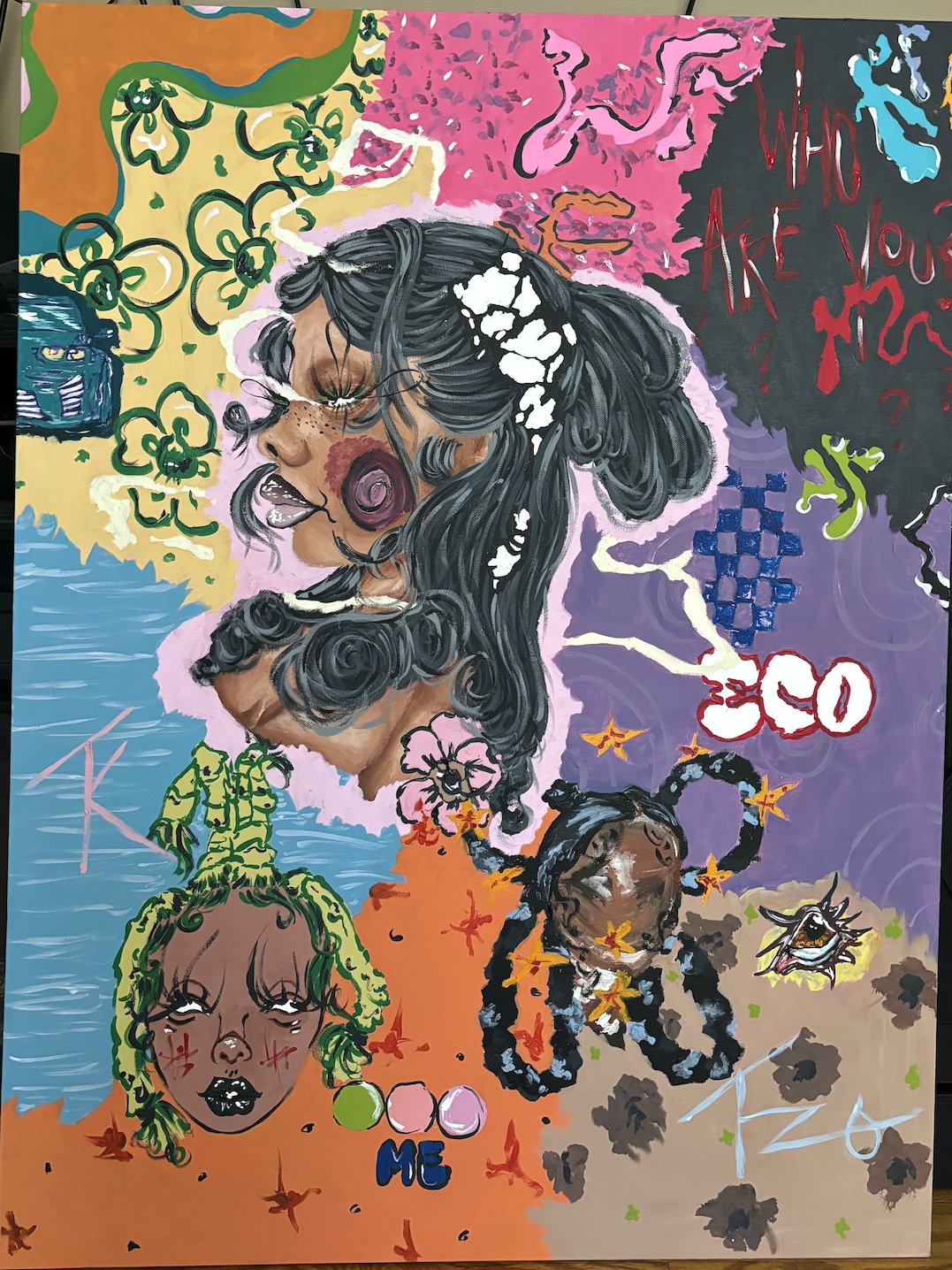
Meet SheROCKS 2026 Artist: Tori Carlisle (TzoArt)
Rooted in her upbringing in Maryland and a city-centered lifestyle, her work challenges narrow perceptions of urban environments, highlighting them as sites of creativity, movement, and possibility. As an emerging artist with a growing exhibition history, Tori reflects on finding confidence in her voice, learning from Black artists who came before her, and trusting experimentation as a core part of her process.
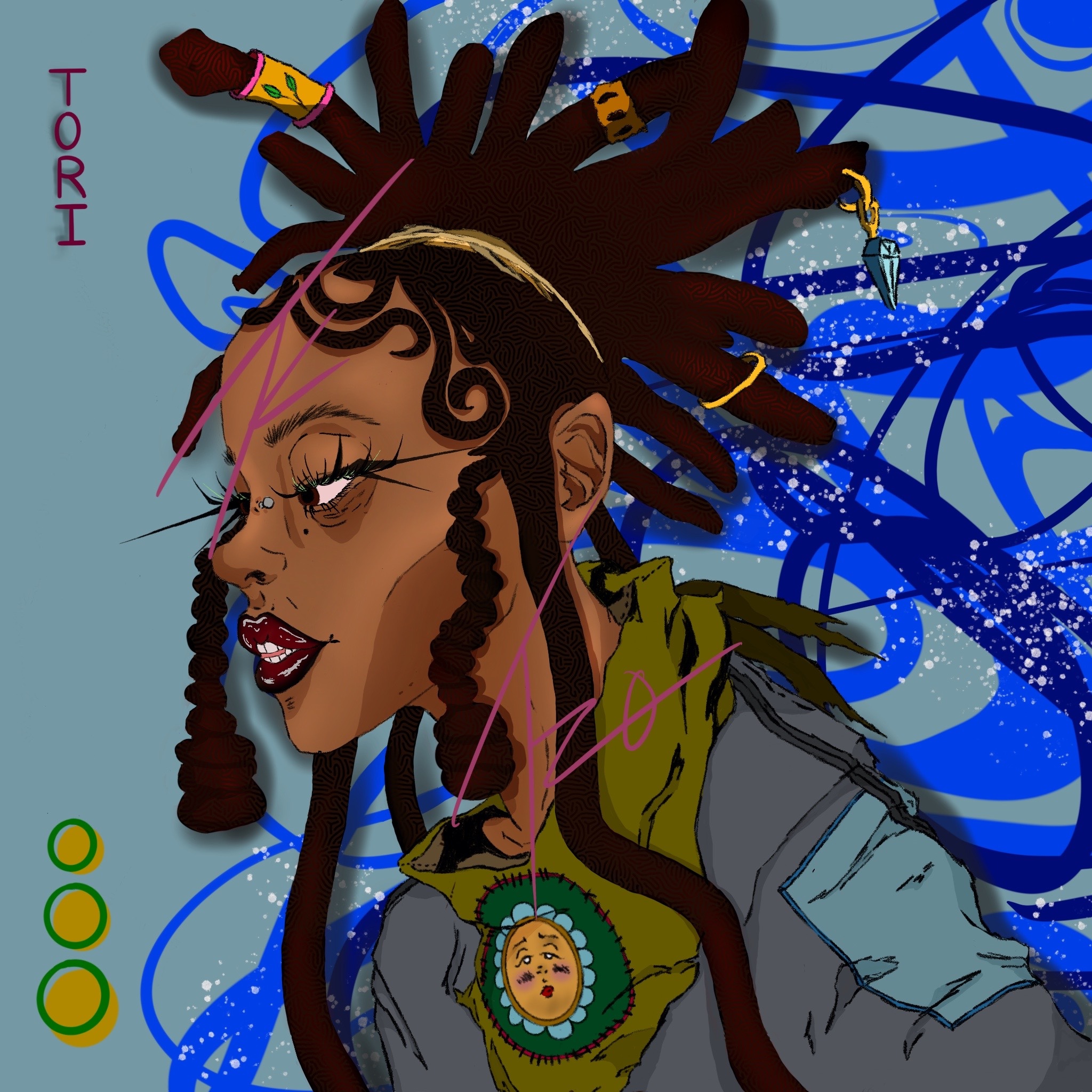
Q: What first drew you to the inner workings of the mind as a visual artist?
Tori: My first time working exploring the inner workings of the mind started when developing my AP portfolio in high school. My thesis was [about] how mental health affects artists and how they work.
Q: How do you decide which medium, or combination of mediums best brings a concept to life?
Tori: I feel like there is no singular medium that can do that. Only multiple mediums can achieve that, [bringing a concept to life].
Q: Growing up in Maryland and living a city-centered lifestyle, how does your environment shape the stories you want to tell visually?
Tori: Everyday where I live there are stories to tell. No day is the same and I don’t want it to be. Living in a city gives you constant room for inspiration to enter.
Q: You’ve shared your art “aims to bring light to people from urban backgrounds.” What narratives or experiences do you hope viewers see reflected in your pieces?
Tori: I hope that viewers can see that urban places aren’t as bad as they may seem or look on the outside. Urban backgrounds push for creativity and give you a creative outlet.
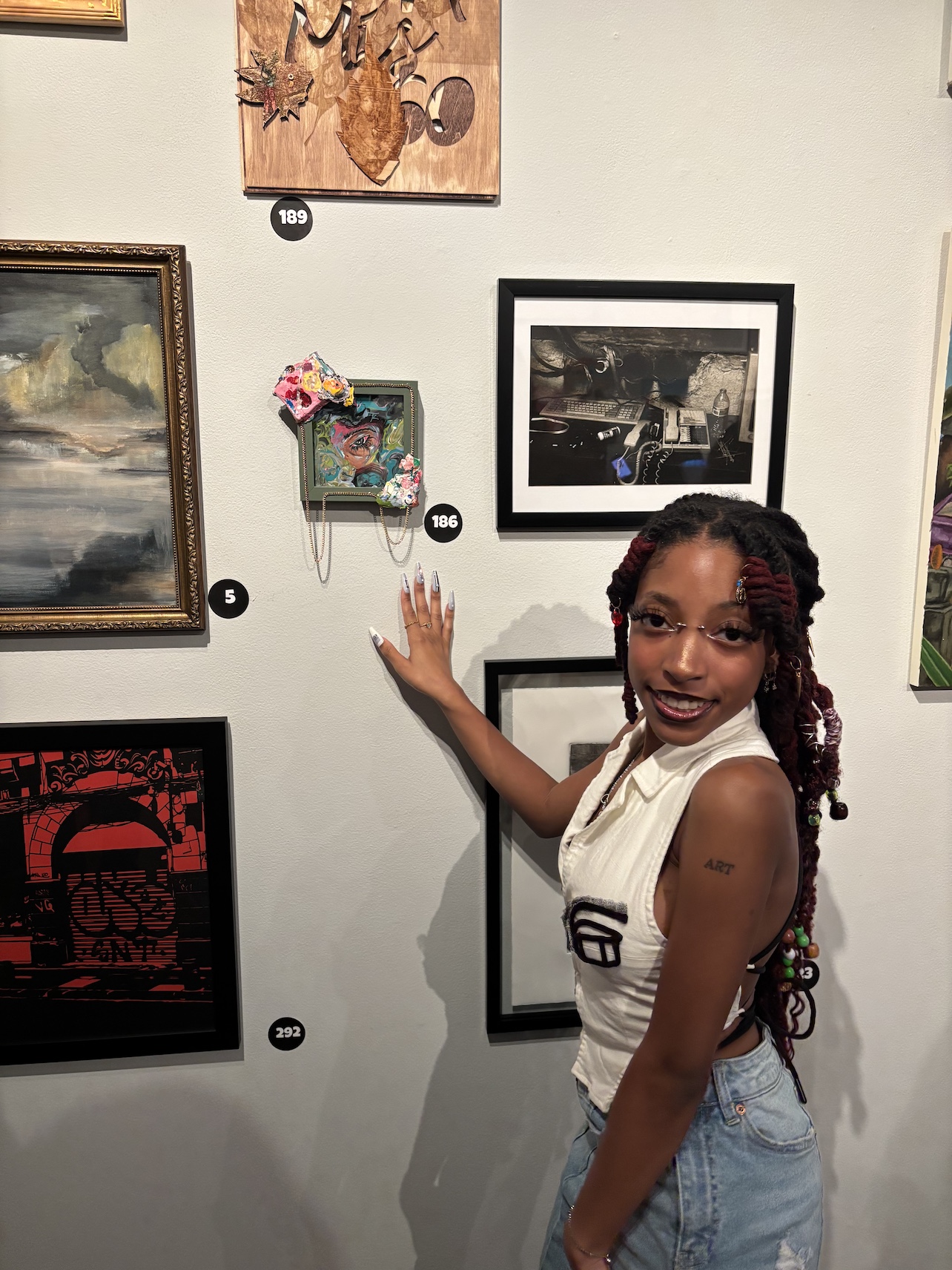
Q: You recently had your first solo exhibition showcasing your college portfolio. What did that milestone teach you about your voice as an artist?\
Tori: It taught me that being an artist is a passion and that it doesn’t matter what stage of your life you're in, you can inspire those older than you.
Q: What’s a medium or technique you’ve tested recently that surprised you?
Tori: The most recent medium that surprised me was using oil pastels and testing the limits of that.
Q: How do you balance scientific inspiration with emotional storytelling in your art?
Tori: In the past, my work focused more on mental health but as time goes on, I’ve focused more on human emotions and how that processes through the brain. I find it interesting to focus on a topic that is not really explored.
Q: As a college student, how has your academic journey expanded your understanding or approach to your craft?
Tori: During my academic journey I have learned more about African American art history and the periods of time in art. From this, it’s inspired me to be like the artists before me and make a way for myself.
Rapid Fire: What’s the one art tool or app you can’t go a day without using?
Tori: An app that I cannot go a day without using is Pinterest. Pinterest is filled with ideas and inspiration from all over the world.
Q: As you prepare for the March 2026 SheROCKS event, what part of presenting your work excites you the most?
Tori: The part that excites me the most is having more exposure towards my work and being able to be inspired by other artists as well.
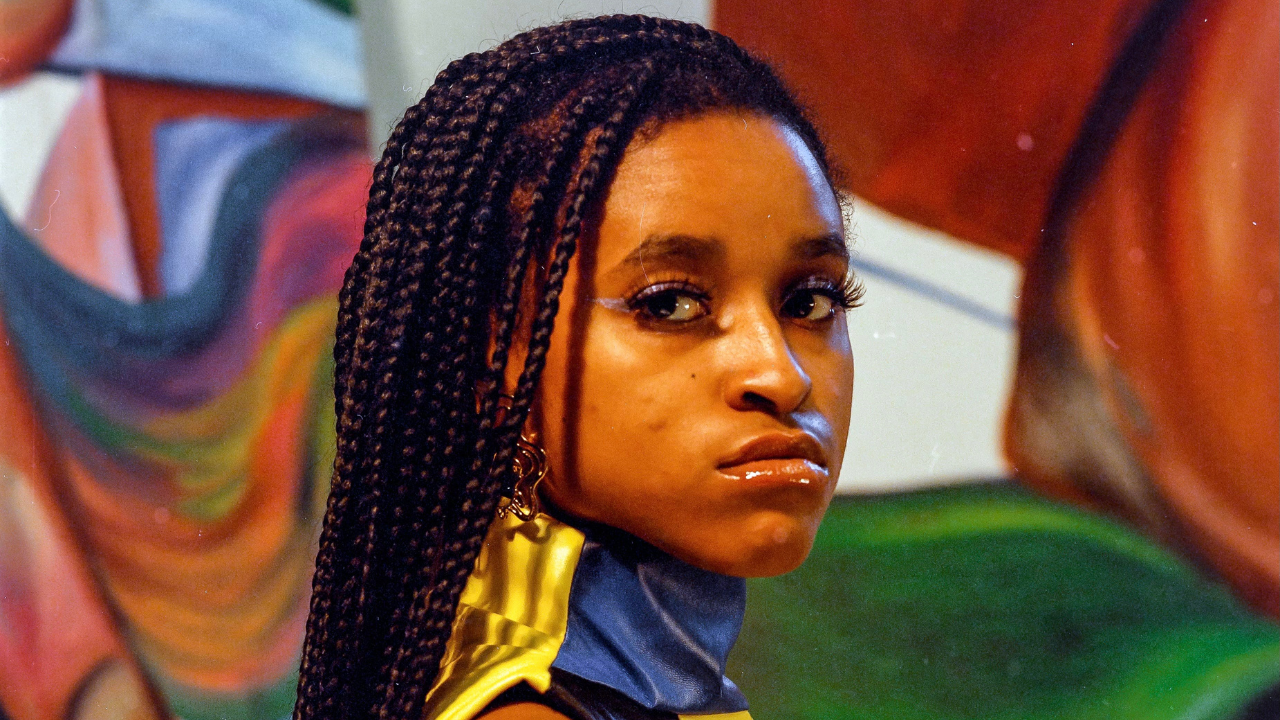
Meet SheROCKS 2026 Artist: Avanna Duff
Avanna Duff reflects on Girlhood, a deeply personal body of work shaped by loss, self-inquiry, and the ongoing process of becoming. After losing her mother at 19, Avanna found herself suspended in emotional limbo, navigating early adulthood while searching for clarity, purpose, and identity. Through abstraction, she revisits her girlhood as both a site of healing and reclamation, using layered forms and intuitive gestures to explore identity as fluid, non-linear, and ever-evolving.
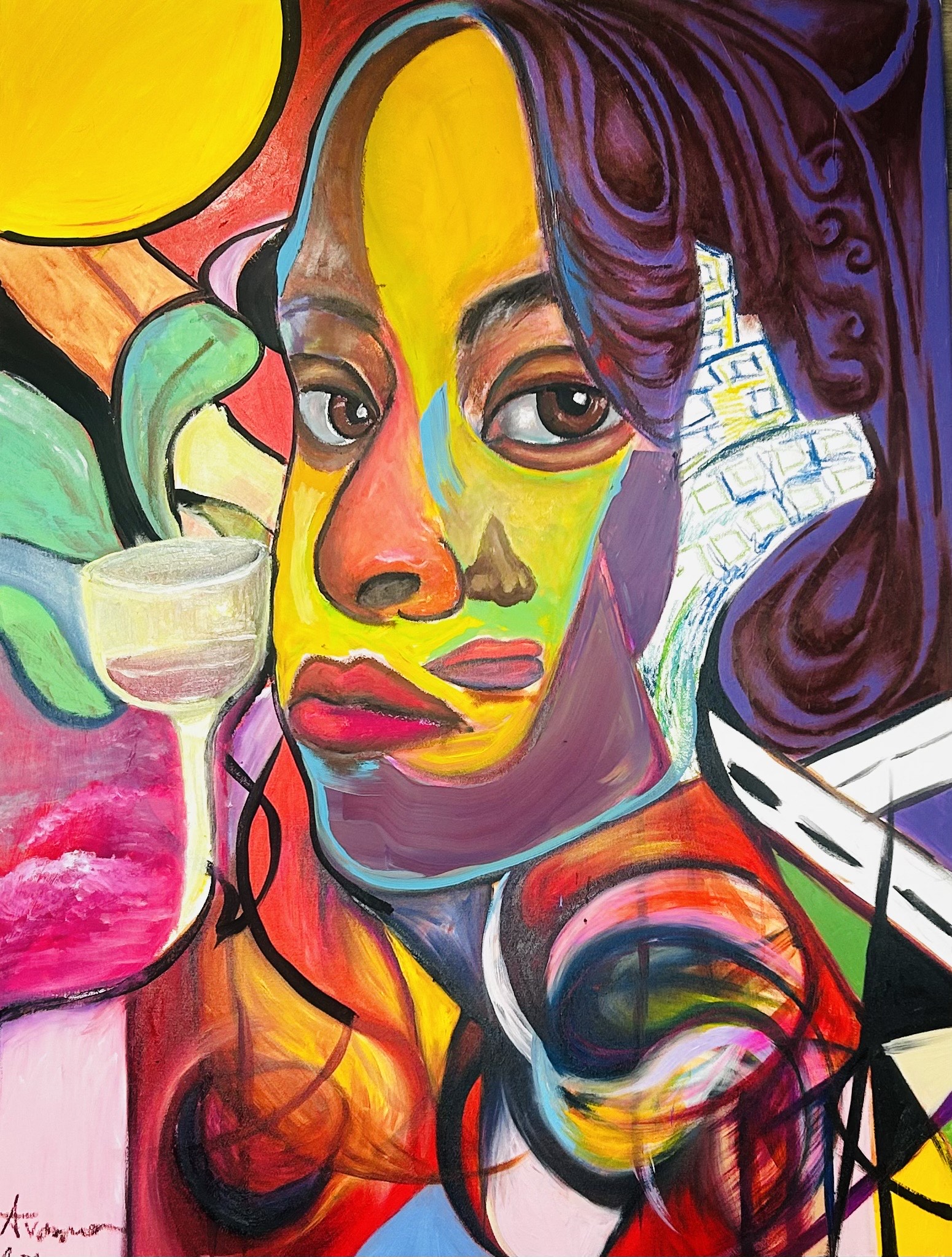
Q: Your most recent project “Girlhood” traces the inner shifts that shape womanhood. What was the first spark or moment that made you realize this was the story you needed to tell now?
Avanna: "Girlhood" represents a transformative journey of self-discovery and introspection, marking a turning point in my life. The sudden loss of my mother at 19 left a profound impact, causing me to feel stuck in a state of emotional limbo. As I navigate my early twenties, I've grappled with the challenge of rediscovering my identity and redefining my life's trajectory. Through revisiting my girlhood, I've been able to reconnect with my inner self, confronting the confusion and disillusionment that followed adolescence. This exploration has become a cathartic release, allowing me to reclaim my narrative and envision the woman I aspire to be. "Girlhood" is an invitation for others, particularly Black women, to reflect on their own stories, reclaim their voices, and embody their true selves.
Q: How did creating “Girlhood” challenge or expand the way you think about identity formation?
Avanna: For me, identity is a multifaceted construct shaped by internal reflections and external experiences, rendering it a dynamic and ever-evolving concept. Through my artistic practice, I've come to understand that identity formation is a non-linear, continuous process, with layers of meaning waiting to be uncovered. Unlike representational art, which can be readily understood, through abstraction my approach invites viewers to engage with the work on multiple levels, revealing new insights and perspectives. This layered narrative allows for a deeper exploration of the self, acknowledging that identity is a complex, ongoing conversation.
Q: This series speaks to the turbulence and beauty of becoming. Which piece in the, "Girlhood" collection feels the most personal to you, and why?
Avanna: A Tale Between Two Cities' is the piece that feels most personal to me in the 'Girlhood' collection. This work represents a pivotal chapter in my journey of self-discovery and artistic growth, capturing the turbulence and beauty of becoming. The decision to leave Atlanta and pursue my education in Buffalo, New York, was a deliberate choice to challenge myself and cultivate inner peace. Through this experience, I navigated the complexities of independence, confronting the pressures of solitude and the process of self-discovery.
This piece is a testament to the resilience and adaptability that have defined my path, as I strive to embody the best version of myself, both as an artist and an individual. It's a reflection of my journey, with all its triumphs and struggles, and serves as a reminder that becoming is a continuous process, often accompanied by uncertainty and self-doubt.
Q: You’ve shown work in celebrated spaces from Atlanta to New York. How have those artistic communities influenced your evolution as an artist?
Avanna: The artistic communities I've had the privilege of being a part of, from Atlanta to New York, have been instrumental in shaping my growth as an artist. Specifically, my time in Buffalo and Atlanta has been transformative. Buffalo taught me the value of community and the importance of connection, while Atlanta has reminded me of the power of roots and heritage.
This interplay between the two cities has been a catalyst for my evolution as an artist. Being in Buffalo allowed me to tap into a sense of resilience and determination, while Atlanta has grounded me in my identity and purpose. The contrast between these two environments has enabled me to synthesize my experiences and distill my artistic voice.
Through this journey, I've come to realize that my purpose is not tied to a specific location, but rather it's a culmination of the connections I've made and the lessons I've learned along the way. The artistic communities I've been a part of have instilled in me a sense of belonging and validation, allowing me to push boundaries and explore new creative territories. As I continue to grow and evolve, I'm grateful for the lessons and love that these communities have shared with me.
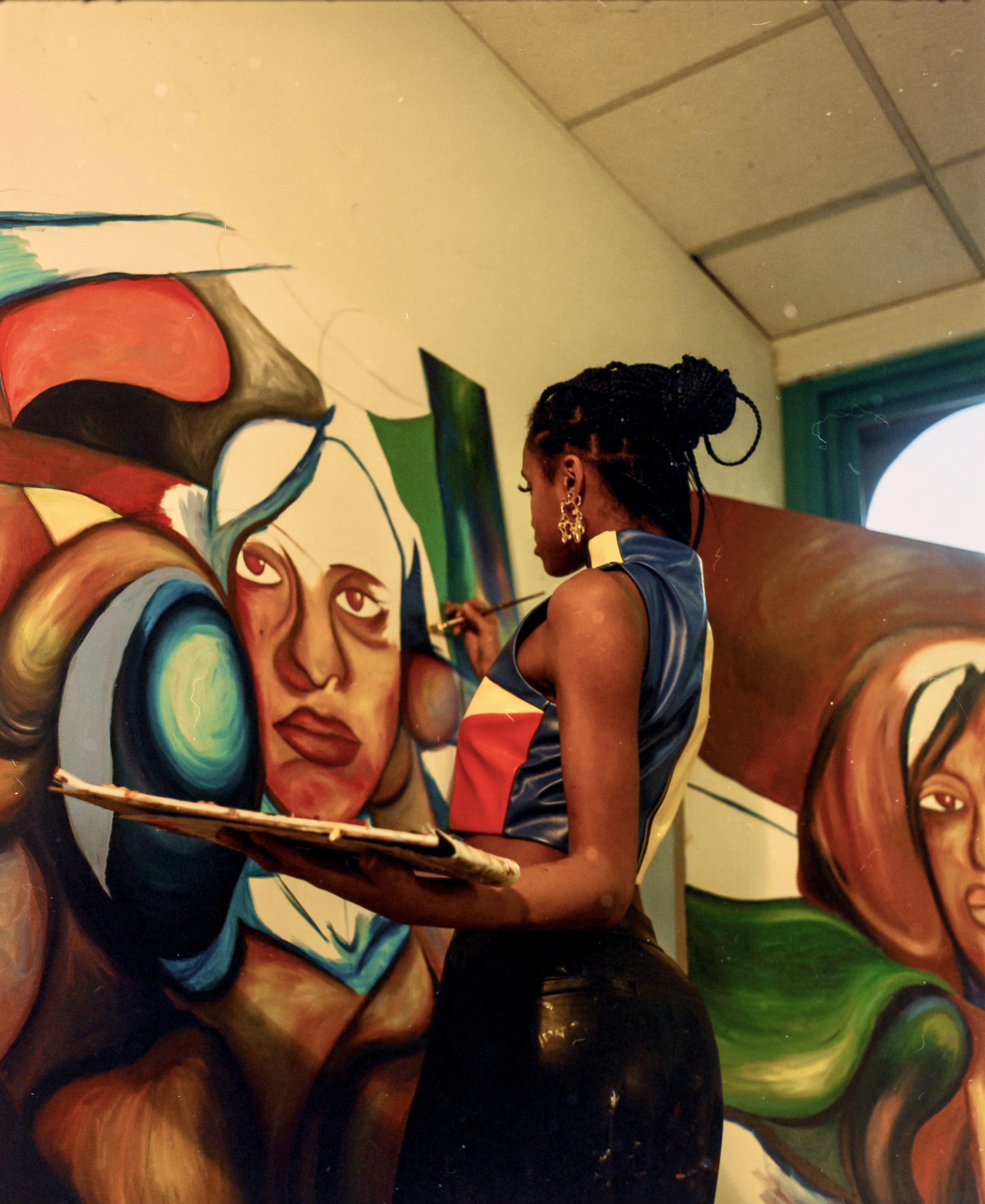
Q: Themes of empowerment and feminine strength appear often in your exhibitions. How do you approach expressing vulnerability without diminishing power?
Avanna: Embracing vulnerability is a fundamental aspect of my artistic practice, particularly when exploring themes of empowerment and feminine strength. For me, vulnerability is not a weakness, but a profound expression of strength that underscores the complexities of womanhood. It's about acknowledging the multifaceted nature of our experiences, and recognizing that our stories are both personal and universal.
Through my work, I strive to create a space where authenticity and honesty converge, allowing others to reflect on their own vulnerabilities and recognize that they are not alone. I believe that divine femininity is embodied in the diverse shapes, forms, bodies, curves, and lines that make up our world, and it's this diversity that gives us the power to redefine what it means to be a woman.By celebrating this diversity, I aim to contribute to a broader conversation that honors the full spectrum of feminine experience, acknowledging the vulnerability and strength that coexist within us. My goal is to create work that not only empowers, but also inspires empathy, understanding, and connection – ultimately, to create a sense of belonging that transcends individual stories.
Q: Many viewers see their own stories in your work. What role does audience interpretation play when you’re deciding how much of yourself to reveal in a piece?
Avanna: Audience interpretation plays a significant role in my creative process. I believe that art is a conversation between the artist and the viewer, and I'm drawn in by the mystery of knowing that people will bring their own experiences and perspectives to my work.When deciding how much of myself to reveal in a piece, I consider the balance between sharing my own story and creating space for others to insert their own narratives. I want my work to be relatable, yet open-ended, allowing viewers to find their own meaning and connection to the piece.I think it's beautiful when people see their own stories in my work, even if that's not exactly what I intended. It means that the piece has transcended its original context and become a part of their own narrative. In a way, it's a form of shared ownership – I'm sharing my story, and they're sharing theirs, and together we create a new understanding.Ultimately, my goal is to create work that resonates with others, and if that means revealing certain aspects of myself, I'm willing to be vulnerable in the service of connection. As an artist, I'm not just telling my own story; I'm creating a space for others to tell theirs.
Q: Your art steers avant-garde. What does “pushing the boundaries” look like for you as you continue to define your signature style as a visual artist?
Avanna: Pushing the boundaries means embracing vulnerability and risk-taking, allowing myself to be open and honest in my work, even if it makes me uncomfortable. It's about trusting my instincts and intuition, and being willing to fail or create something that doesn't quite work.I'm driven to transcend traditional notions of abstract art, redefining its meaning and representation in my generation. I'm committed to contributing to a legacy that builds upon the past, learning from it, and forging a path forward. My goal is to create art that sparks conversation, challenges assumptions, and inspires new perspectives – not just for my own growth, but for the artists who come after me.By pushing the boundaries, I'm staying true to my vision and staying excited about the creative journey ahead.
Rapid Fire: A color that instantly feels like “girlhood” to you — go!
Avanna: purple! :)
Q: What are you most excited for people to experience when they encounter your work at SheROCKS in March?
Avanna: I'm thrilled to be showcasing my collection at SheROCKS, and I'm confident that this event will be a pivotal moment in connecting with my peers and furthering the narrative of my art. I'm excited to share my work and be part of a community that celebrates women in visual and performing arts.
This event represents a significant opportunity for me to contribute to the conversation around identity, culture, and social justice, and I'm eager to hear the stories and perspectives of others. I'm looking forward to the connections and collaborations that will emerge from this experience, and I'm honored to be part of a movement that empowers women and amplifies their voices.
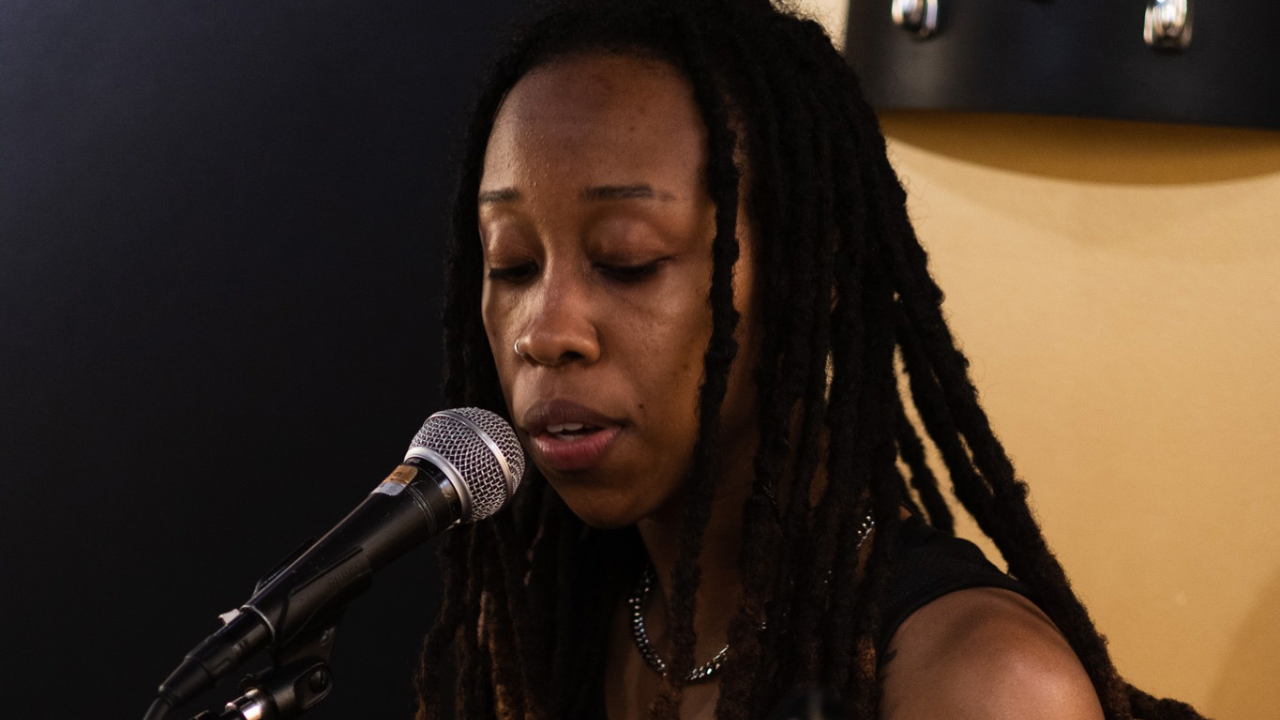
Meet SheROCKS 2026 Artist: Ren Wright
Ren Wright blends nostalgic soundscapes with the emotional intensity of adulthood, creating music that feels both raw and reflective. In this conversation, we discuss how re-releasing “To Feel Like I Exist” under the RenRiot project marked a pivotal shift—one that allowed greater freedom, distance from self-imposed limitations, and a more expansive artistic identity. By tapping into the inner child while honoring the emotional weight of adulthood, Ren crafts music that feels both intimate and expansive. Check out our Q&A with the artist.
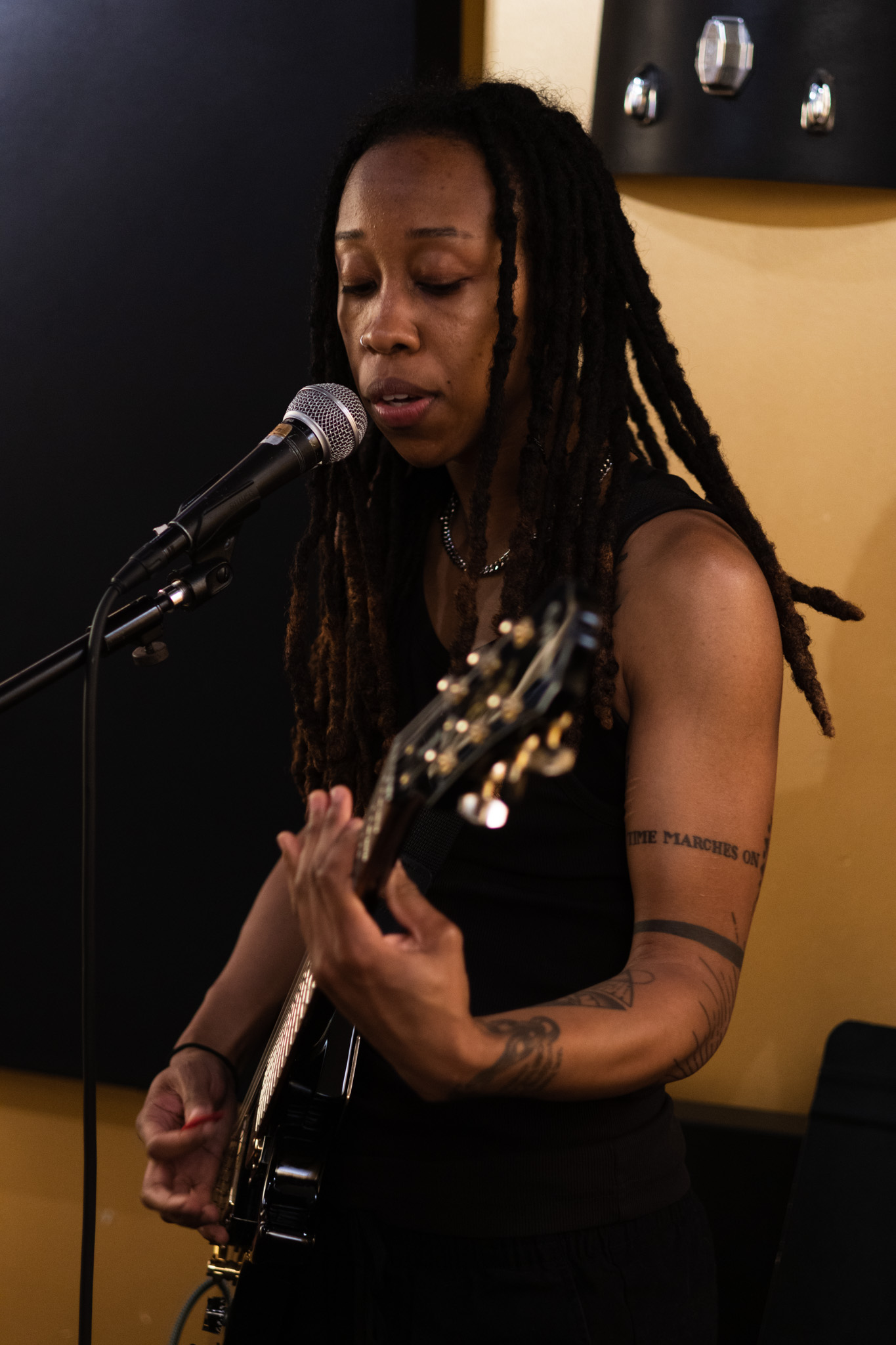
Q: Your sound brings both nostalgia and intensity. What emotions or memories do you tap into when you’re building a new track from scratch?
Ren: I spend a lot of time tapping into my inner child with my creations, which brings about the nostalgic sound. Blending it with my adulthood [experience] and the ability to communicate my emotions brings about the intensity. When I am writing I always ask myself, “what do I need to say?” rather than “What do I want to say?” and that allows me to really tap into the critical feelings and find the direction of the song.
Q: You write, compose, perform, and produce your own work. Which part of that creative process feels the most essential to your artistic identity, and why?
Ren: Composing feels the most essential to my artistic identity because it is uniquely me. One of my signatures is layering. I often hear melodies within melodies and compose my songs with that in mind.
Q: "To Feel Like I Exist” marked a big moment in carving out your public presence. How has your artistry evolved since releasing that track under RenRiot?
Ren: Re-releasing “To Feel Like I Exist” under RenRiot has been essential for the evolution of my artistry. The initial release under my own name felt entirely too personal, which impacted my ability to express that vulnerably— not just with my [stage] presence, but with my music. Separating my band from my personal identity has been critical for allowing my artistry to evolve because I am not limited by placing artificial boundaries on myself. I no longer question myself and ask, "what does this say about me?”
I just create whatever my heart wants to.
Q: You’ve received nods from artists like Bartees Strange and Lacey Sturm. How have those acknowledgments shaped your confidence or direction as an artist?
Ren: Acknowledgement from artists I admire has deeply shaped my confidence because it reconnects me with where I came from and helps guide me to where I’m headed. When someone who has inspired me with their work recognizes my own, it reminds me that I’m now part of the same creative conversation. It has also grounded me in my artistic identity by reinforcing the importance of staying humble and creating from a genuine place, rather than trying to impress anyone. Ironically, the videos and music I put the least thought into have opened the most doors for me. I believe they stand out because they’re the truest reflection of who I am as an artist, and that authenticity has been the greatest source of my increased confidence in my artistic abilities.
Q: You’ve performed alongside Kaisha Blackstone and spent over a decade freelancing. What lessons from your early years still guide your choices in music today?
Ren: I've learned 2 huge lessons over the years: Go into every opportunity as if it is your last chance (without putting too much pressure on yourself to be perfect), and expose yourself to all types of music. Go into every opportunity prepared and confident, while remaining polite and ready to learn. These lessons have been crucial for the development of my career. I have been able to step into amazing opportunities, without any public social media presence, for years strictly through word of mouth. This is because I showed up to each opportunity this way. I was able to adapt to each scenario due to my wide range of music taste.
Q: Your work blurs genre lines while still feeling distinctly you. How do you balance experimentation with maintaining a signature sound?
Ren: This is actually something that I am still trying to figure out! I believe that experimentation within itself is a part of my signature sound. I take influences from all of the music that I consume across genres and blend it into my own creations, which allows my signature sound to be just that - my sound.
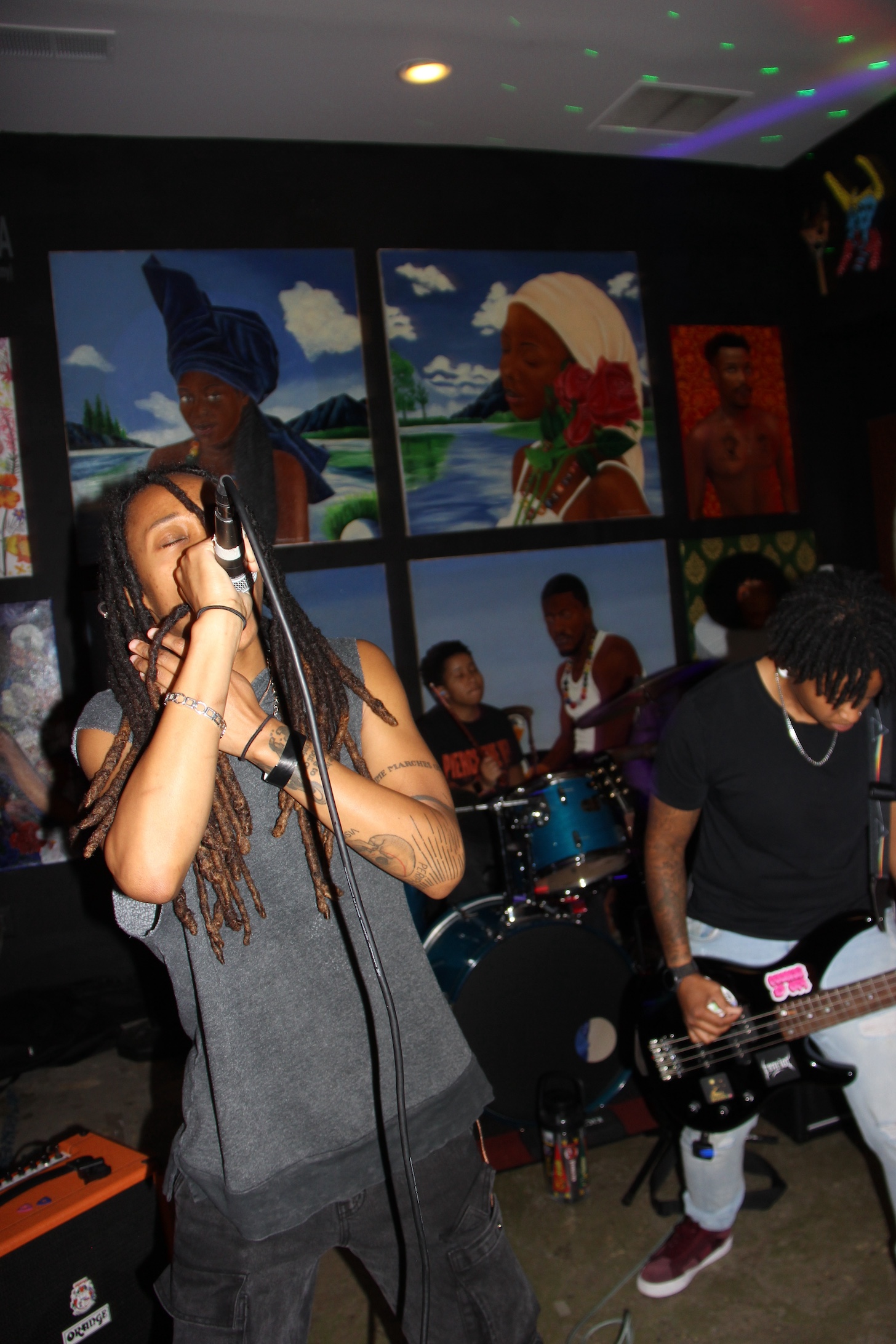
Q: Your performances shift from acoustic intimacy to full-band energy. What does each setup allow you to express differently?
Ren: Acoustic shows really allow me to focus on my vocal passion and the depth of my lyricism. Full-band performances allow me to express myself as a rockstar/entertainer. It feels so good to transfer the passion between my voice and my stage presence depending on which setup I am performing.
Q: As a multidisciplinary artist, from writing to producing, what creative ritual or mindset helps you stay grounded when you're building something new?
Ren: Journaling, then rewriting, has been key for me when writing and producing. Sometimes the simplest of lyrics stay and pack a big punch. But other times, I am able to get poetic with my lyrics and with the overall production of the song.
Rapid Fire: What’s one sound you’re obsessed with right now, a chord, texture, or unexpected noise that you can’t stop experimenting with?
Ren: I have been obsessed with harmonic minor chords on the guitar. The melancholy sound has really allowed my songwriting to flow and I have been adding this element to a majority of my new songs.
Q: Looking ahead to the March 2026 SheROCKS showcase, what are you most excited to share or experience as you bring your sound to this stage?
Ren: I am so excited to share myself as a reflection of diversity in the music industry! I am a black, masculine-presenting woman, who is passionate about rock music and girlhood. I wish I knew that there were people like me out in the world when I was a child. I take so much vocal inspiration from both r&b and rock, and I think it is the perfect showcase of my identity. I am overjoyed at the opportunity to showcase that black girls can ROCK!
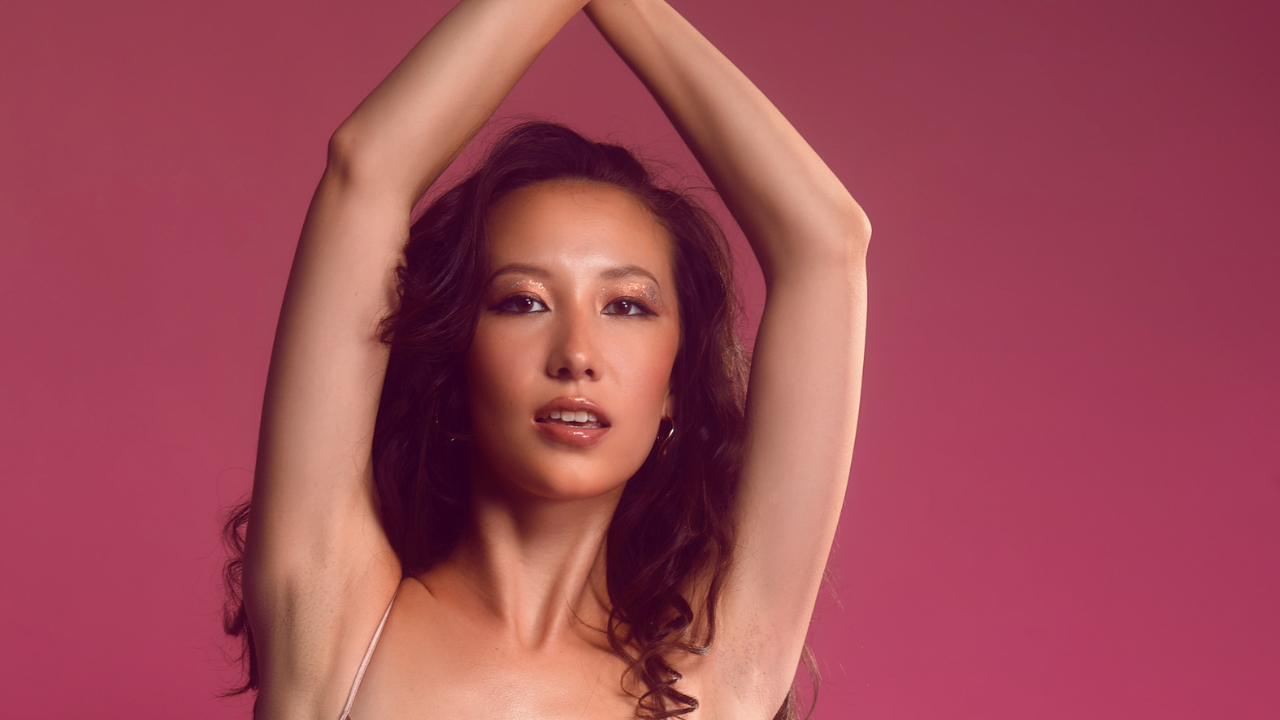
Meet SheROCKS 2026 Artist: Cybèle
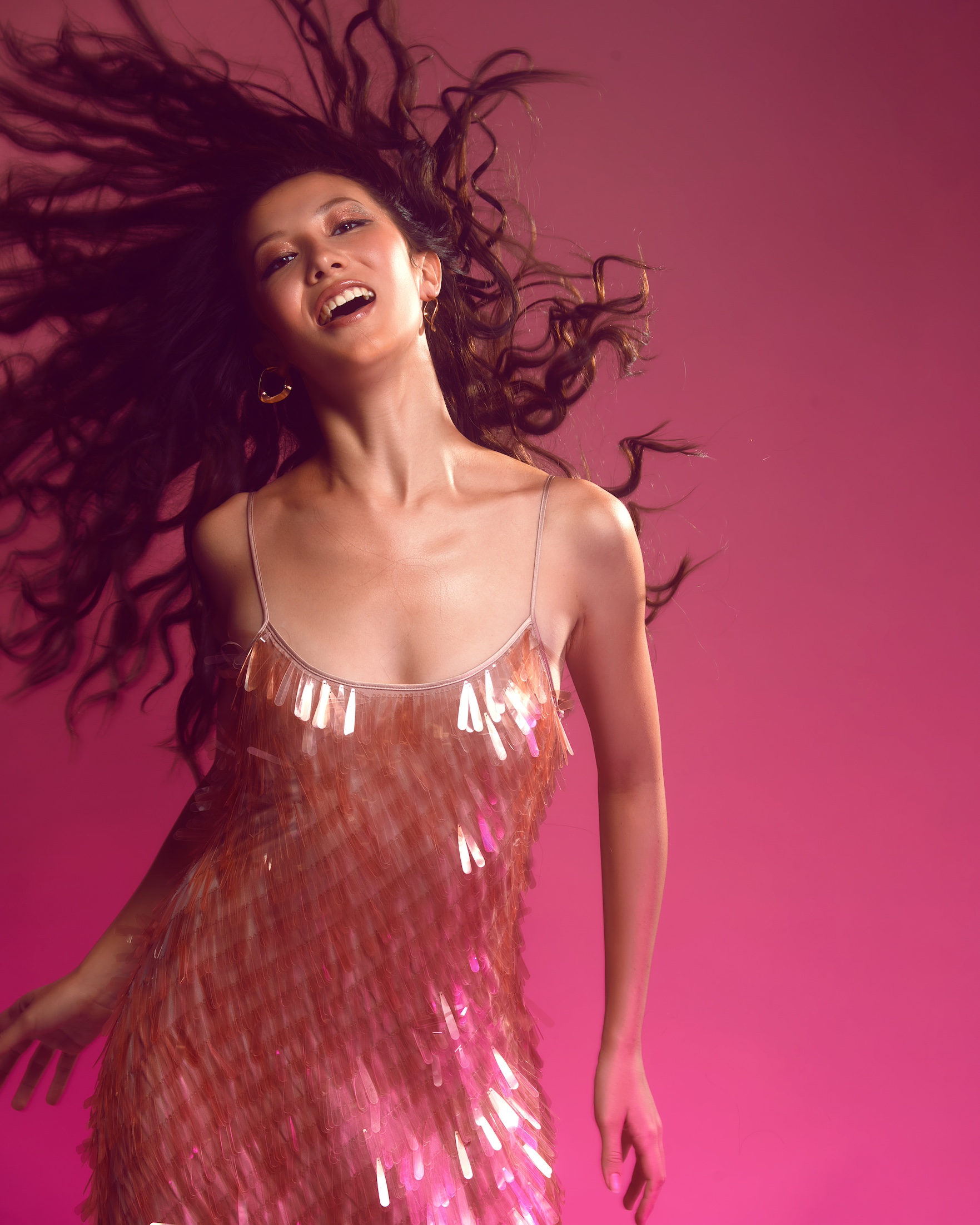
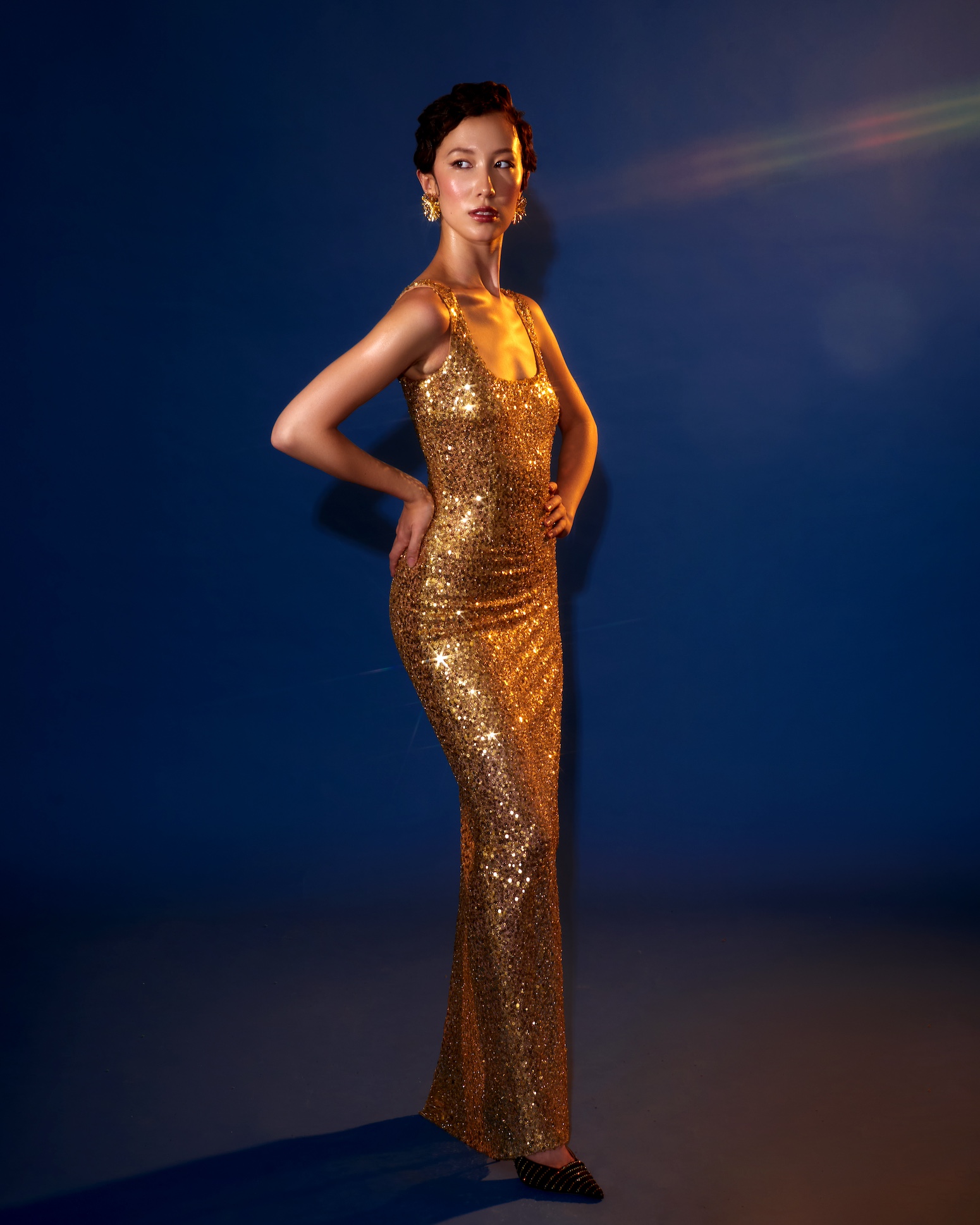
Before Cybèle ever understood what it meant to be an artist, she understood what it meant to feel. As a child, she fell asleep to Bach and Tchaikovsky, danced on tables to ABBA, and watched Michael Jackson transform sound into something cinematic, physical, and emotionally exacting. Those worlds fused quietly and instinctively, forming the foundation of a voice that now moves fluidly between orchestral drama, pop euphoria, and soulful honesty. During our Q&A, Cybèle opens up about the influences that shaped her, the discipline behind her devotion to craft, and how intention guides her work when composing for purpose-driven brands.
Q: Your sound has been described as “ABBA meets MJ with a touch of Tchaikovsky.” How did you arrive at this fusion of disco, gospel, and orchestral influences?
Cybèle: I think my sound emerged very naturally from the music I grew up with. My mother was a classical violinist for over twenty years, so our house was always filled with Bach, Tchaikovsky, Beethoven, Rachmaninoff, Mozart – all these sweeping orchestral worlds. I was so sensitive to it that I’d sometimes cry at night because the music moved me so deeply. At the same time, I became obsessed with ABBA - especially Mamma Mia. I was that little kid dancing on tables, singing every word. And then I discovered Michael Jackson around age six or seven and saw, maybe for the first time, what it meant to be a complete artist - someone who created an entire universe through sound, movement, and emotion.
Those three influences, classical, disco, and the soulfulness of MJ, just fused inside me long before I had the language for it. So when I write now, I’m really just translating what shaped me: the drama and grandeur of orchestral music, the euphoria of ABBA, and the emotional honesty and groove of Michael Jackson. My goal is always to weave them into something that feels heartfelt, cinematic, and completely my own.
Q: You’ve lived in Paris, Beijing, and LA. How has your global upbringing shaped the way you think about genre, storytelling, and connecting with audiences across cultures?
Cybèle: Living in Paris, Beijing, and LA taught me very early that, across cultures, people are much more similar than they are different. No matter where you go, everyone is looking for stories with an arc, a beginning, a middle, an end, and for that sense of catharsis that helps make sense of a chaotic world. We go to theaters, concerts, and films because we want relief, reflection, and a deeper understanding of our own lives.
For me, that realization shaped the way I approach genre and storytelling. The form of stories is universal; the details change depending on the culture, but the emotional search is always the same. Audiences everywhere want to see themselves in the art. They want to feel understood. They want meaning.
My global upbringing helped me see that if you tell the truth emotionally, it will resonate anywhere. That, to me, is the most beautiful part of being an artist — creating something that crosses borders not because of language or style, but because it speaks to the humanity in all of us.
Q: You bridge classical training with modern pop production. What excites you most about blending academic rigor with emotional, high-energy songwriting?
Cybèle: I think what academic rigor has taught me is that the “God is in the details”, as the acclaimed musical theater writer Sondheim once said. The details and the specificity of the language that we use both musically and linguistically communicates everything. And honestly, when you're cleaning a song, there's no detail too big or too small to be worked on. Academia has taught me that it's also important to be a student and to study greatness before you try to emulate it. It’s really hard to craft your own voice without having an understanding of what came before you. It's like trying to be a writer without having read a single book or trying to be a pianist without having ever studied Chopin. I think it's very important to study. It's very important to care about the craft. Paying attention to the details is important before we can fully let go and let our intuition guide us in the creation process.
Q: Receiving the “Shining Star” Award from Larry Dunn after performing for Berry Gordy’s birthday is monumental. What did that moment teach you about your artistic voice and where it can take you?
Cybèle: That moment taught me that there truly is no limit to where talent, discipline, and devotion can take you. Standing in a room with Berry Gordy and receiving the “Shining Star” Award from Larry Dunn reminded me that even our heroes were once young, curious, and wide-eyed– the difference is simply years of commitment to their craft. It also showed me how essential it is to surround myself with people whose greatness challenges me to expand my own capacity. Being in that environment didn’t just validate my artistic voice; it pushed me to imagine a higher version of myself and to work relentlessly toward it.
Q: Your work has been commissioned and honored by major institutions from the American Cancer Society to the Grammy Museum. How do you approach composing for mission-driven or narrative-driven projects?
Cybèle: For mission-driven or narrative-driven projects, creative intention is everything. I always start by researching the organization or story in depth so I understand not just the facts, but the emotional truth behind them. A song can educate, but its real power is in how it makes people feel, so the challenge is finding the balance between clarity of message and emotional resonance. My job as a songwriter is to take historical context or complex ideas and translate them into something human, immediate, and heartfelt. When I have a strong grasp of both the research and the emotional core, the writing naturally aligns with the purpose of the project.
Q: Your visual and musical identity is bold and cinematic. When you’re building a new song, what elements do you consider to ensure it feels both timeless and distinctly yours?
Cybèle: When I’m building a new song, I’m always chasing a feeling rather than following a formula. Harmonically and melodically, I have certain instincts that are just mine. For instance, I love slipping in and out of the key of the song to find colors that feel unexpected and emotional. And because I grew up loving film scores and musical theatre, I naturally gravitate toward writing music that feels cinematic, like an experience rather than just a three-minute track.
For me, timelessness comes from creating something I’m genuinely moved by. If I feel immersed in the world of the song. If the harmony, the storytelling, and the atmosphere of the song move me, then there’s a good chance someone else could feel that too. I always create for myself first. The distinctiveness comes from being honest about what moves me and letting that guide the sound.
Q: You’ve collaborated with global brands like 88Rising and Prada Beauty. How do you stay rooted in authenticity while creating in these highly collaborative, high-visibility spaces?
Cybèle: For me, the key is remembering that these brands chose to work with me because of my voice, not despite it. There’s no point in abandoning my own “sauce” just to cook in someone else’s kitchen. I feel incredibly honored to collaborate with companies like 88Rising and Prada Beauty, but I also know what I bring to the table. I’ve spent years refining my perspective, my sound, and my artistic identity. So I stay grounded by trusting that authenticity is my greatest asset. I show up grateful, but I also show up as myself.
Q: As someone who navigates both academia and the pop world, what have you learned recently about balancing discipline, experimentation, and emotional expression?
Cybèle: Before graduating, I used to separate my life into strict compartments: work time, rest time, creative time. But recently I’ve learned that the real balance comes from approaching everything - even the unglamorous parts - as a form of play. When I look for the magic in things, whether it’s practicing a difficult piano phrase, cleaning my kitchen, or even reading a contract, I stay curious instead of drained. Seeing life as play has actually made me more disciplined and more experimental at the same time, because I’m no longer resisting the moment I’m in. That mindset has rejuvenated me creatively. It allows me to weave discipline, exploration, and emotional expression into one continuous flow instead of treating them as separate modes.
Rapid fire: One composer or pop icon you’d love to trade brains with for a day — go!
Cybèle: Michael Jackson, without question. Even though he’s no longer here, I’d love to experience how his brain deconstructed a song and how he spiritually channeled ideas. And if I could pick a second, Tchaikovsky would be incredible. Two brilliant minds in completely different worlds.
Q: What are you most excited for audiences to experience when you take the stage at the March 2026 SheROCKS showcase?
Cybèle: I’m most excited for audiences to feel completely free to be themselves. My intention onstage is always to bring more joy, more peace, and a sense of elevation to the room. I want people to leave feeling like the most empowered version of themselves, like they can take on the world the second they step outside. If that doesn’t happen, I haven’t done my job. So I can’t wait to share that energy with everyone at SheROCKS.
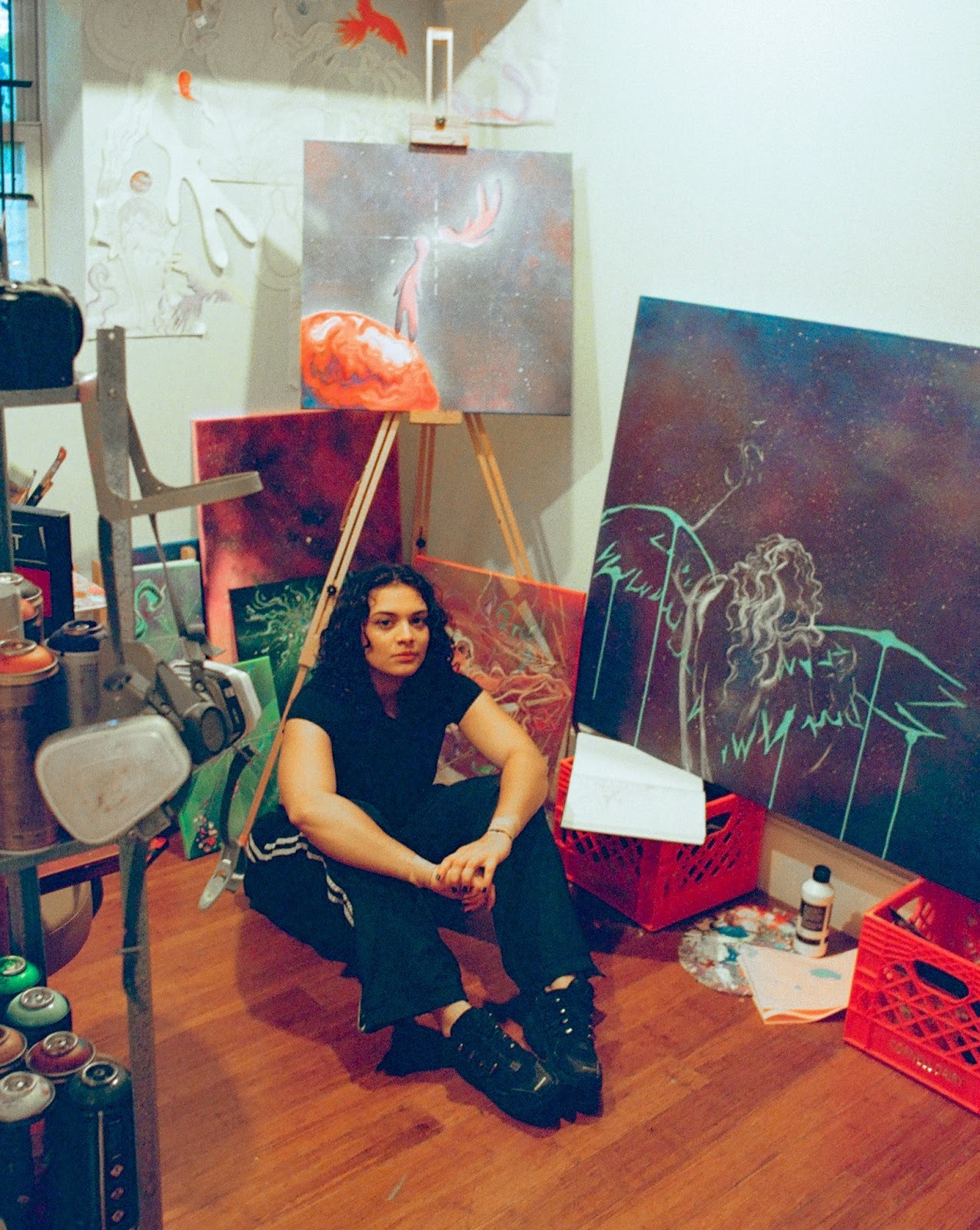
Meet SheROCKS 2026 Artist: Emily De Lima
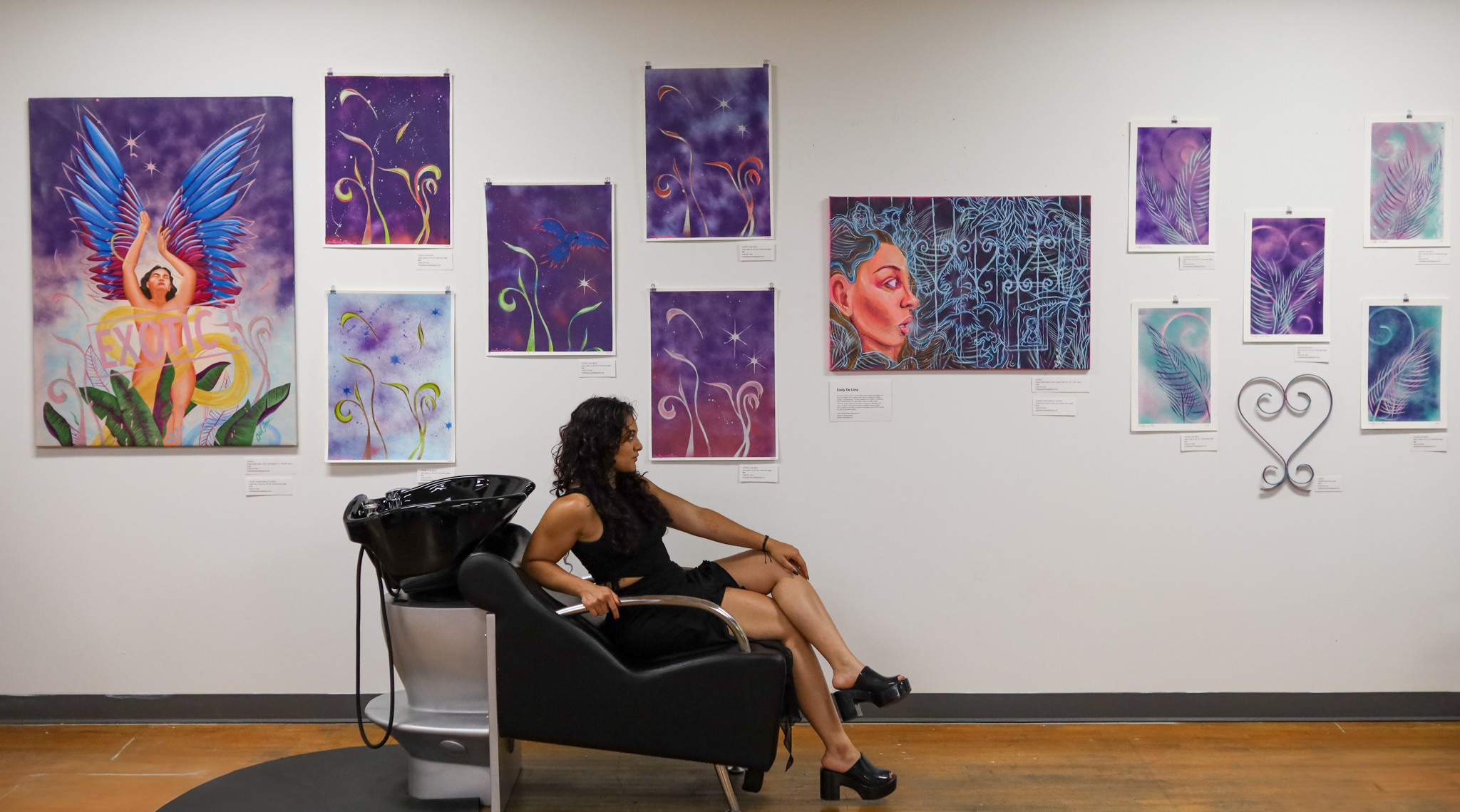
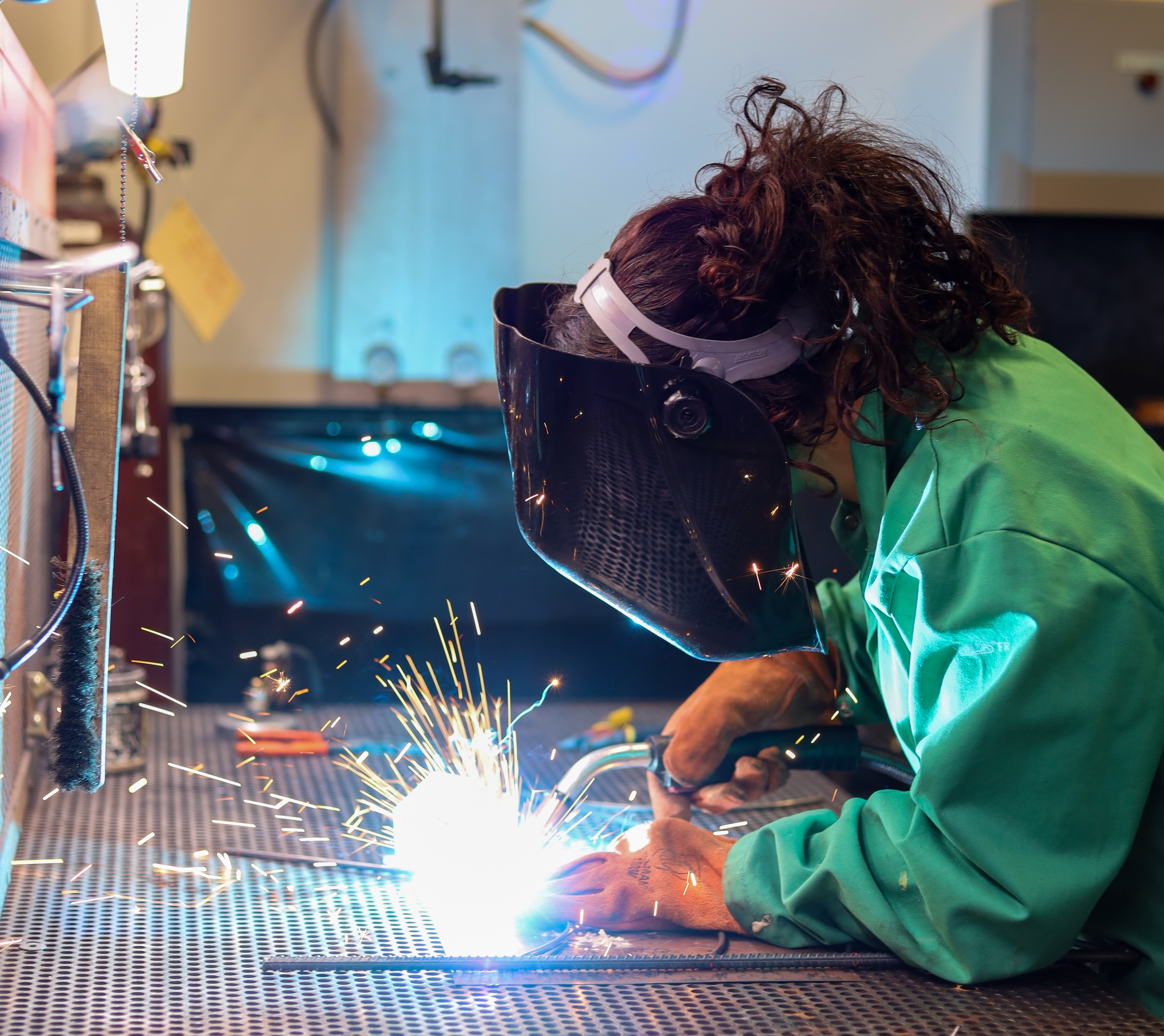
Some artists choose a medium and others choose exploration. Moving fluidly between architecture, visual art, sculpture, and photography, Emily De Lima builds worlds from sketches, discarded materials, and spontaneous ideas. Now based in Queens after graduating from Cornell University’s architecture program, Emily is shaping a practice that refuses limitation and thrives on curiosity. In this Q&A, she shares how experimentation guides her process, why “jack of all trades” feels like a compliment, and how every piece, whether a small collage or a building-scale concept—begins as a prototype with room to grow.
Q: You’re a multidisciplinary artist with work spanning architecture, visual art, sculpture, and photography. How do you decide which medium becomes the best for a particular idea or moment?
Emily: Since I’ve never been able to stick to just one medium, I’m constantly experimenting. I like to pick things up and figure out how they work and what they can become. Sometimes an image flashes through my mind and I sketch it out, and those usually turn into paintings. Other times, I just look around wherever I am and see what materials I already have lying around. I love using things considered scraps or trash. I’ll start cutting things out and assembling them, and an idea grows from there.
Everything is a prototype. I’m just trying things out, seeing what works. Smaller pieces become whole, whether that’s the scale of a painting or a building. They say, “A Jack of all trades is a master of none, but oftentimes better than a master of one.” I think there’s something beautiful about not mastering just one thing—staying curious and letting the process guide where the work goes.
Q: Much of your practice focuses on origin and cultural sensitivity. How has growing up as a Brazilian woman in America shaped the way you interpret space, material, and narrative?
Emily: I think a lot about humans versus shells. How the outer layers we carry affect how people see us. These shells appear on many scales; in the spaces we occupy, the clothes we wear, even the ways we carry ourselves. Often, they get in the way of us truly seeing each other as human.
I’ve always been a bit of a nerd, but because I didn’t fit the typical visual stereotype, I often felt very “othered” in the spaces I’ve occupied. At Brooklyn Tech, the specialized high school I went to, only 7% of the student body was Hispanic/Latino while I was there, and I was frequently overlooked or stereotyped. At Cornell for university, I was again a minority and I faced similar assumptions. The way I look has affected how seriously people, especially men, have treated me, and I’ve had to work a lot harder to be heard.
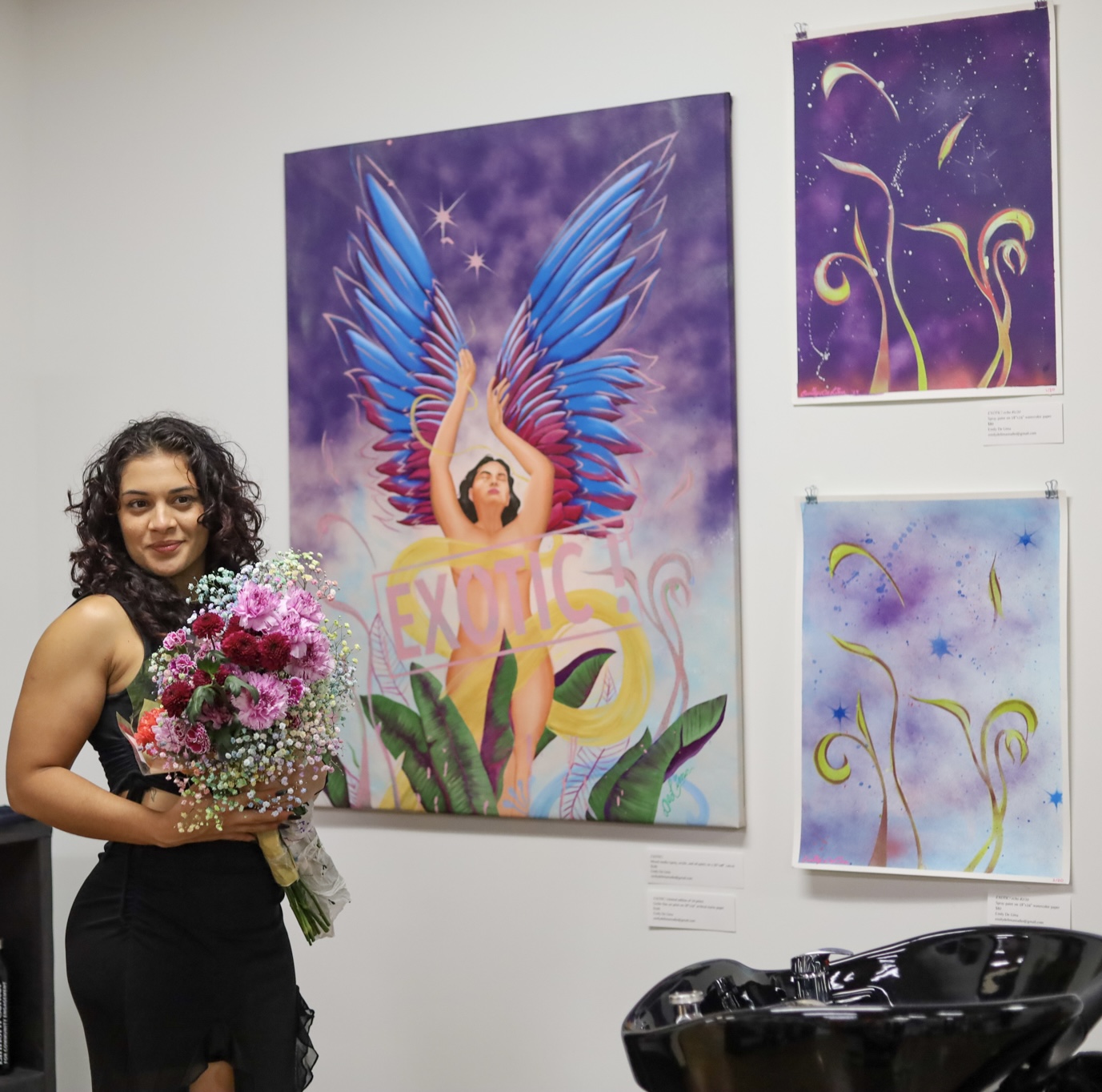
I poured these experiences into creating “EXOTIC!”. This ended up being my first exhibited piece, where I drew a parallel to the Brazilian Spix’s blue macaw. The macaw was targeted for its striking blue color and rarity, making it a prized trophy in the illegal bird trade. It was captured and admired, but rarely understood. Their beauty essentially became their downfall, collectors captured them faster than the population could recover, pushing the species to the edge of extinction. I have often been treated in a similar way, as a shiny object that people want to be seen with, but not listened to.
Q: Your installation “What We Grow” investigates the lasting effects of colonization across Brazil and the Caribbean. What compelled you to take on this history, and how did the collaboration with Cornelius Tulloch shape the project?
Emily: “What We Grow” really started with an architecture option studio I took at Cornell Tech in 2023. We worked closely with Ena McPherson, a Jamaican woman who was a pioneer in the urban gardening movement in East New York. Getting to know her made me notice how much Brazilian and Jamaican culture overlap. That pushed me into researching how plants, traditions, and knowledge moved through the transatlantic slave trade and ended up forming the worlds we grew up in. The similarities weren’t coincidence, but were the result of people carrying their worlds with them under unimaginable conditions.
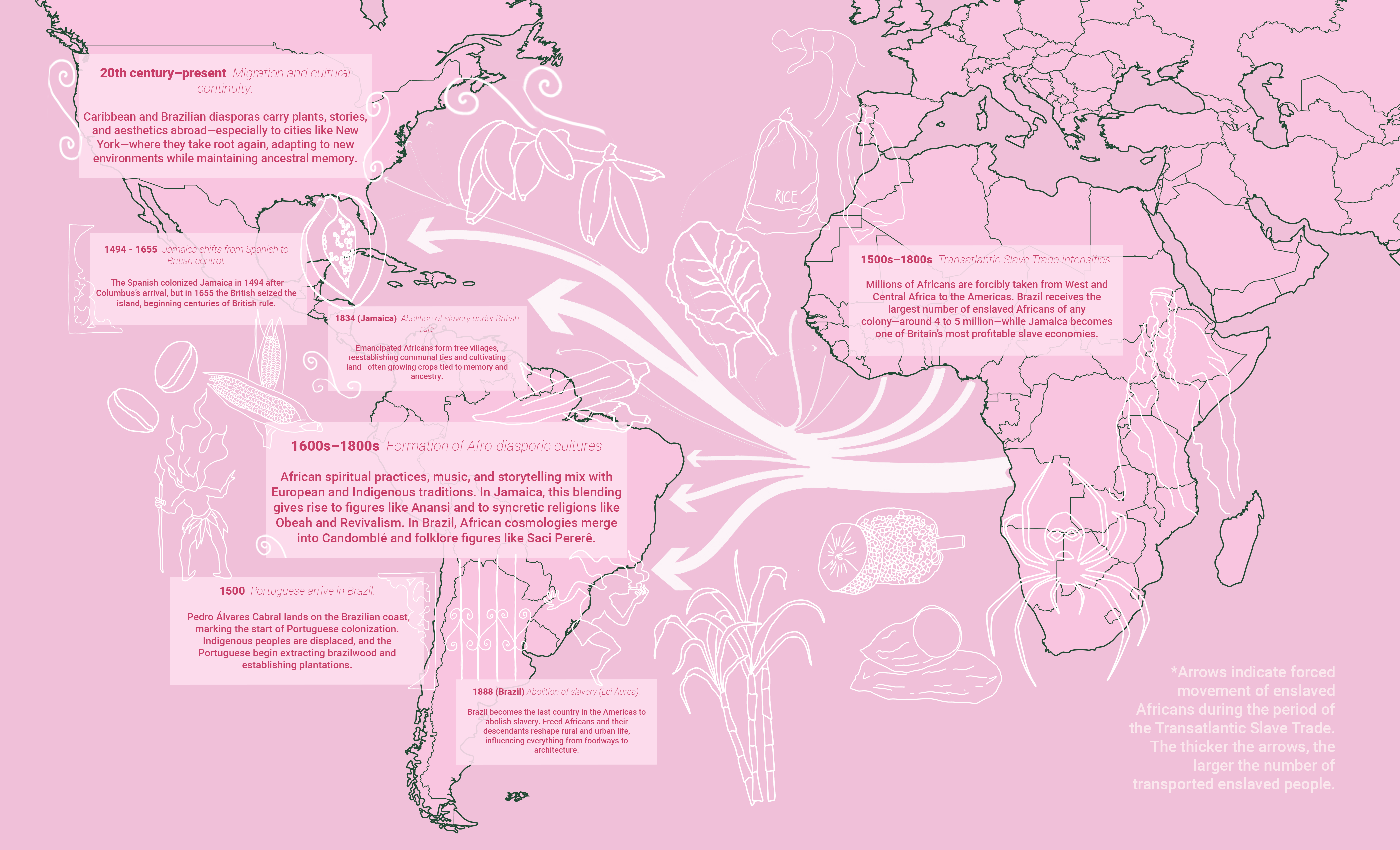
The collaboration with Cornelius Tulloch came naturally out of that. Cornelius was a former student of my professor, Peter Robinson, who’s career path blended art and architecture as I was aspiring to do. Peter saw the overlap in how we both think spatially and visually and encouraged the connection.
I applied to a grant opportunity through my school and was awarded to further the research I began in that studio. This culminated into “What We Grow,” a public installation that took place in Tranquility Farm in Brooklyn, NY.

Q: When you examine how knowledge is passed through craft and tradition, how do you see your own artistic practice contributing to that lineage of storytelling?
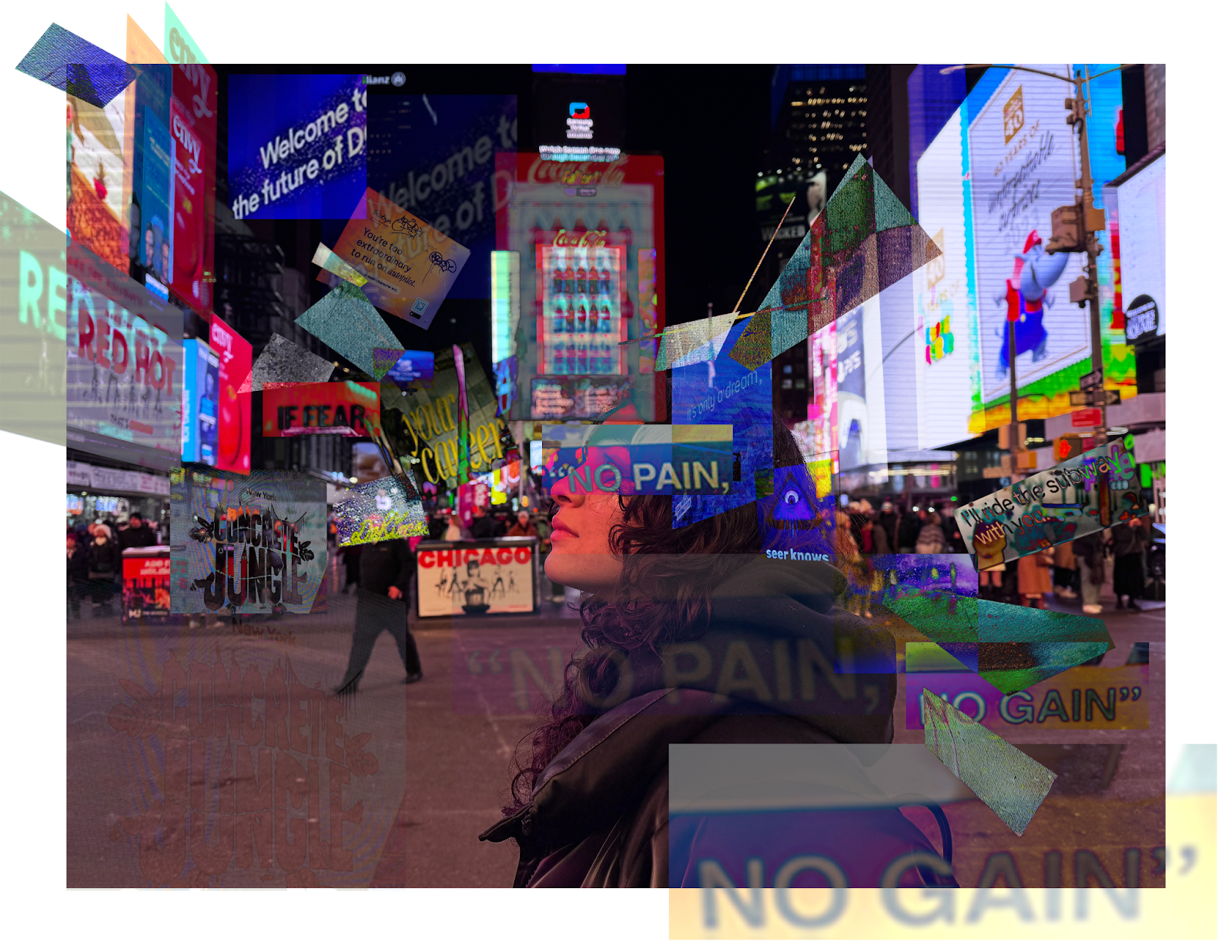
Emily: As times change, so do crafts and traditions. Existing practices are added to and transformed with new ways of making. For me, being Brazilian-American adds another layer to this as I’m constantly mixing influences from my Brazilian heritage with the culture I grew up with here in NYC. I’m particularly interested in how being an artist has also significantly shifted in a digital, hyper-capitalist age. It’s no longer enough to just be a skilled painter, you also have to build a presence, navigate both real-life and digital spaces, and find ways for your work to resonate in an oversaturated market. I want to make work that bridges traditional art and digital platforms.
Right now, I’m working on a short film where I take elements from physical pieces and adapt them for a digital video platform, exploring how craft and storytelling can evolve while still carrying the same lineage of care and knowledge.

Q: With a background in architecture, how does spatial thinking influence the way you build worlds whether as installations, images, or objects?
Emily: Again, I think of everything as pieces that fit together to form a whole. From the screws that hold a structure together, to the columns that support a building, threads that keep fabric intact, layers of paint on a canvas. Every element matters, and everything connects in ways we don’t always expect. My process of building, testing, and letting the idea dictate its form comes directly from thinking like an architect, even when the work ends up on a flat surface.
Q: What questions are currently guiding your creative direction as you move into this next chapter of artistry?
Emily: I grew up in a very Catholic household and went to Catholic school from pre-K to 8th grade. I was always the kid asking too many questions, and that curiosity wasn’t really encouraged. For a long time, that pushed me to reject religion altogether. Now, I’m in a place where I’m reevaluating a lot of it. I’ve studied bits of different belief systems, and I’ve started building my own understanding of spirituality, one that mixes my appreciation for science with the way I see nature and the universe function.
The questions guiding me now are about how humans create meaning, how we inherit stories, and how we rewrite them. I’m interested in how identity is shaped by the things we’re taught versus the things we discover on our own. Those themes have already started appearing in my recent work, and I think they’ll keep leading me forward.
Rapid fire: One material you could work with forever — go!
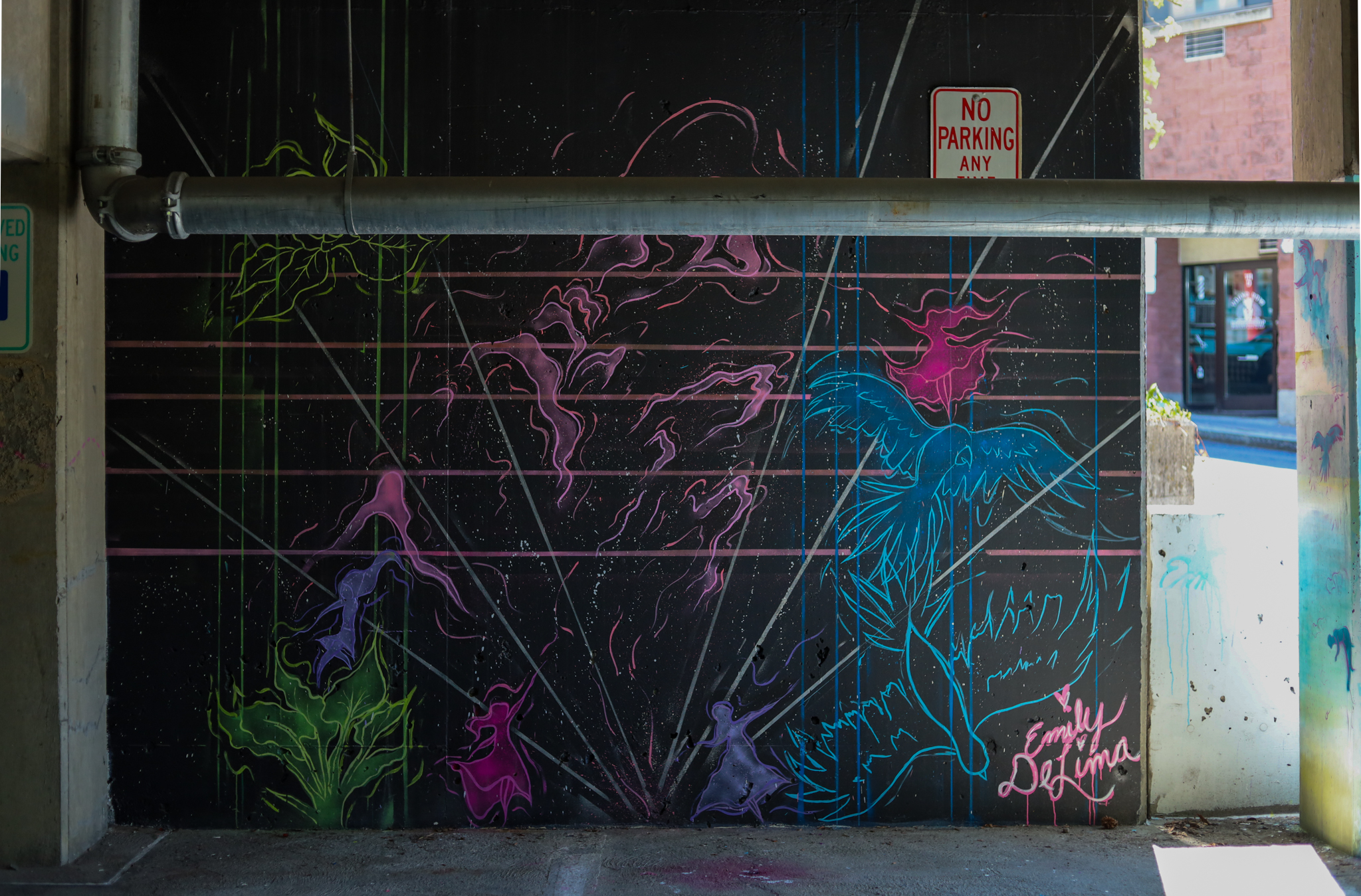
Emily: Spray paint! I love the messy drips and how you can play with splatters and flicks. It lets me work fast, and experimentally, but it also forces me to adapt and embrace accidents.
Q: What are you most excited for audiences to feel or discover when they encounter your work at the March 2026 SheROCKS showcase?
Emily: I’m excited to finally push my way into the art world. I graduated just last May, and since then I’ve been pouring myself into making new work and getting it out there. I’m looking forward to giving the audience a glimpse into my chaotic brain. I have a million ideas and I can’t turn them off.