SOFemArt Staff
1/14/2026
•
5 min read

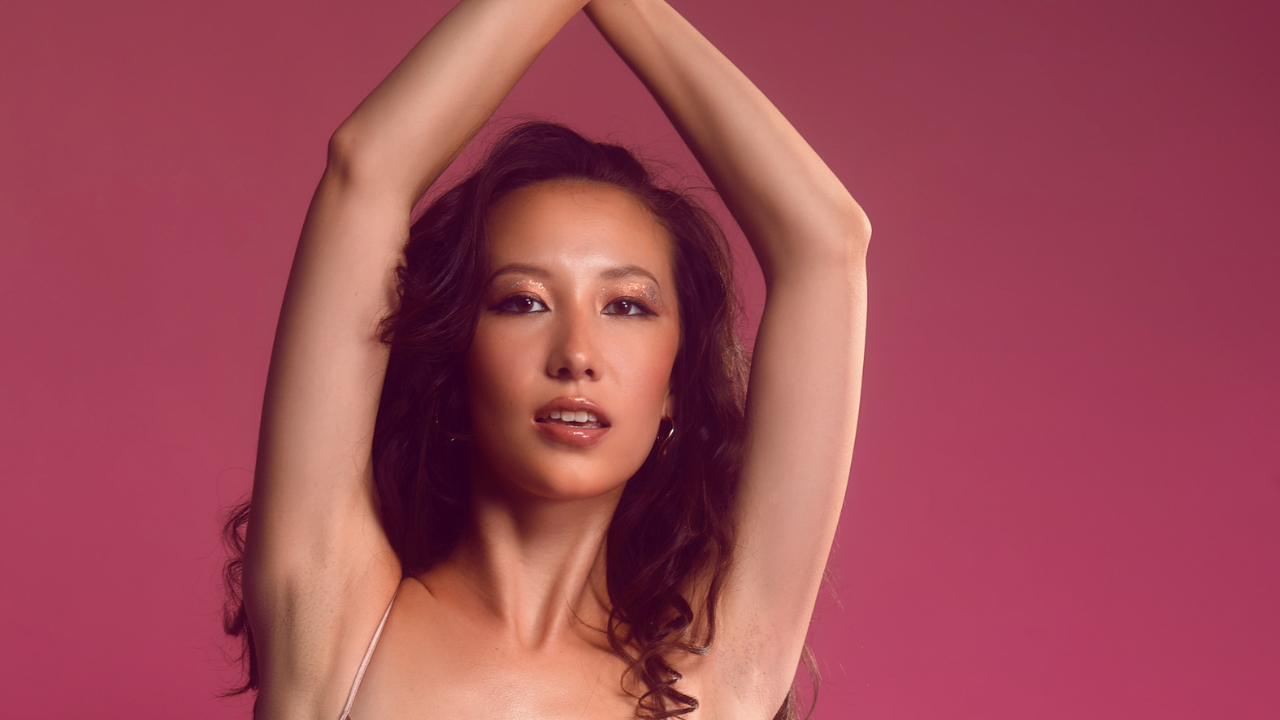
Before Cybèle ever understood what it meant to be an artist, she understood what it meant to feel. As a child, she fell asleep to Bach and Tchaikovsky, danced on tables to ABBA, and watched Michael Jackson transform sound into something cinematic, physical, and emotionally exacting. Those worlds fused quietly and instinctively, forming the foundation of a voice that now moves fluidly between orchestral drama, pop euphoria, and soulful honesty. During our Q&A, Cybèle opens up about the influences that shaped her, the discipline behind her devotion to craft, and how intention guides her work when composing for purpose-driven brands.
Q: Your sound has been described as “ABBA meets MJ with a touch of Tchaikovsky.” How did you arrive at this fusion of disco, gospel, and orchestral influences?
Cybèle: I think my sound emerged very naturally from the music I grew up with. My mother was a classical violinist for over twenty years, so our house was always filled with Bach, Tchaikovsky, Beethoven, Rachmaninoff, Mozart – all these sweeping orchestral worlds. I was so sensitive to it that I’d sometimes cry at night because the music moved me so deeply. At the same time, I became obsessed with ABBA - especially Mamma Mia. I was that little kid dancing on tables, singing every word. And then I discovered Michael Jackson around age six or seven and saw, maybe for the first time, what it meant to be a complete artist - someone who created an entire universe through sound, movement, and emotion.
Those three influences, classical, disco, and the soulfulness of MJ, just fused inside me long before I had the language for it. So when I write now, I’m really just translating what shaped me: the drama and grandeur of orchestral music, the euphoria of ABBA, and the emotional honesty and groove of Michael Jackson. My goal is always to weave them into something that feels heartfelt, cinematic, and completely my own.
Q: You’ve lived in Paris, Beijing, and LA. How has your global upbringing shaped the way you think about genre, storytelling, and connecting with audiences across cultures?
Cybèle: Living in Paris, Beijing, and LA taught me very early that, across cultures, people are much more similar than they are different. No matter where you go, everyone is looking for stories with an arc, a beginning, a middle, an end, and for that sense of catharsis that helps make sense of a chaotic world. We go to theaters, concerts, and films because we want relief, reflection, and a deeper understanding of our own lives.
For me, that realization shaped the way I approach genre and storytelling. The form of stories is universal; the details change depending on the culture, but the emotional search is always the same. Audiences everywhere want to see themselves in the art. They want to feel understood. They want meaning.
My global upbringing helped me see that if you tell the truth emotionally, it will resonate anywhere. That, to me, is the most beautiful part of being an artist — creating something that crosses borders not because of language or style, but because it speaks to the humanity in all of us.
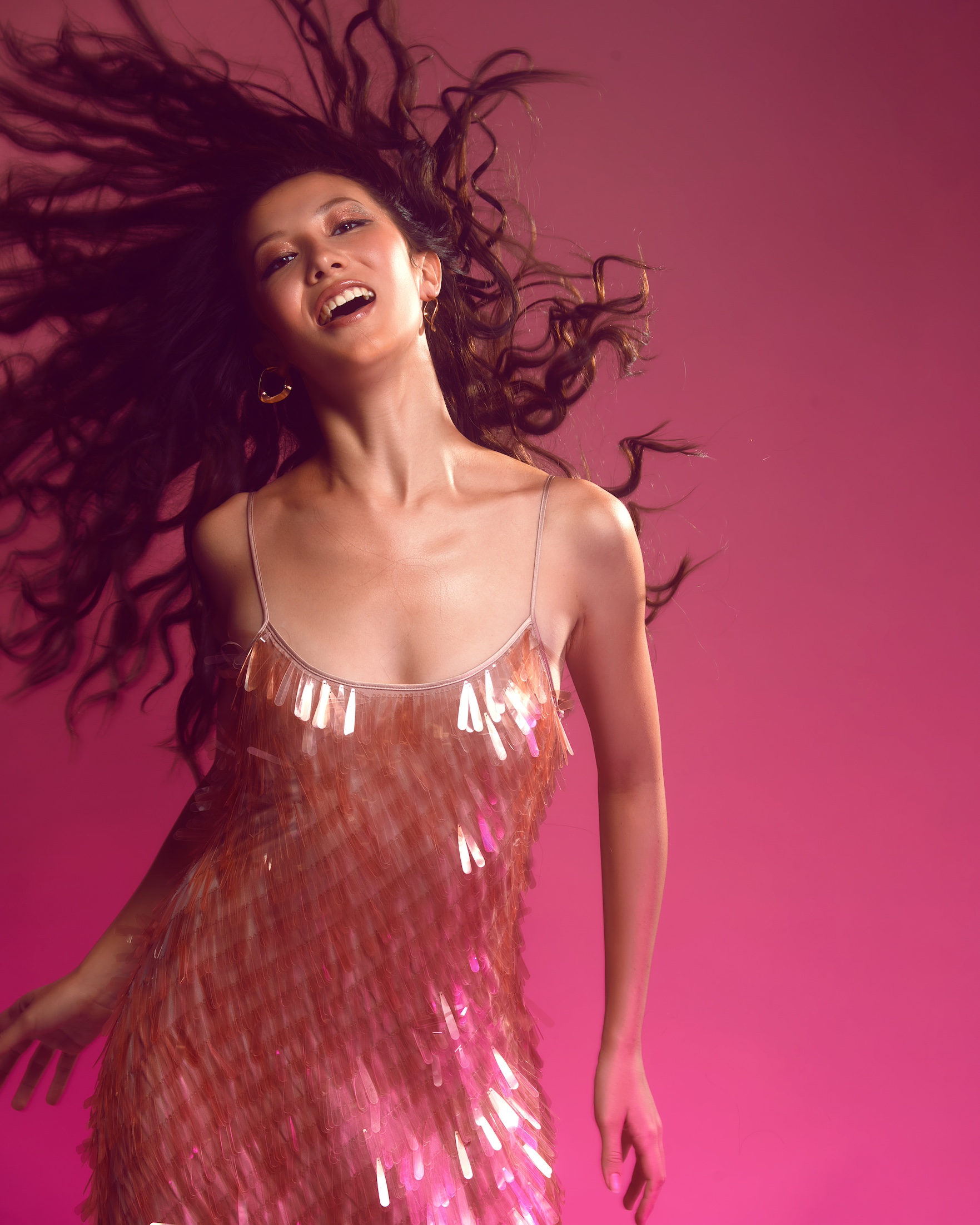
Q: You bridge classical training with modern pop production. What excites you most about blending academic rigor with emotional, high-energy songwriting?
Cybèle: I think what academic rigor has taught me is that the “God is in the details”, as the acclaimed musical theater writer Sondheim once said. The details and the specificity of the language that we use both musically and linguistically communicates everything. And honestly, when you're cleaning a song, there's no detail too big or too small to be worked on. Academia has taught me that it's also important to be a student and to study greatness before you try to emulate it. It’s really hard to craft your own voice without having an understanding of what came before you. It's like trying to be a writer without having read a single book or trying to be a pianist without having ever studied Chopin. I think it's very important to study. It's very important to care about the craft. Paying attention to the details is important before we can fully let go and let our intuition guide us in the creation process.
Q: Receiving the “Shining Star” Award from Larry Dunn after performing for Berry Gordy’s birthday is monumental. What did that moment teach you about your artistic voice and where it can take you?
Cybèle: That moment taught me that there truly is no limit to where talent, discipline, and devotion can take you. Standing in a room with Berry Gordy and receiving the “Shining Star” Award from Larry Dunn reminded me that even our heroes were once young, curious, and wide-eyed– the difference is simply years of commitment to their craft. It also showed me how essential it is to surround myself with people whose greatness challenges me to expand my own capacity. Being in that environment didn’t just validate my artistic voice; it pushed me to imagine a higher version of myself and to work relentlessly toward it.
Q: Your work has been commissioned and honored by major institutions from the American Cancer Society to the Grammy Museum. How do you approach composing for mission-driven or narrative-driven projects?
Cybèle: For mission-driven or narrative-driven projects, creative intention is everything. I always start by researching the organization or story in depth so I understand not just the facts, but the emotional truth behind them. A song can educate, but its real power is in how it makes people feel, so the challenge is finding the balance between clarity of message and emotional resonance. My job as a songwriter is to take historical context or complex ideas and translate them into something human, immediate, and heartfelt. When I have a strong grasp of both the research and the emotional core, the writing naturally aligns with the purpose of the project.
Q: Your visual and musical identity is bold and cinematic. When you’re building a new song, what elements do you consider to ensure it feels both timeless and distinctly yours?
Cybèle: When I’m building a new song, I’m always chasing a feeling rather than following a formula. Harmonically and melodically, I have certain instincts that are just mine. For instance, I love slipping in and out of the key of the song to find colors that feel unexpected and emotional. And because I grew up loving film scores and musical theatre, I naturally gravitate toward writing music that feels cinematic, like an experience rather than just a three-minute track.
For me, timelessness comes from creating something I’m genuinely moved by. If I feel immersed in the world of the song. If the harmony, the storytelling, and the atmosphere of the song move me, then there’s a good chance someone else could feel that too. I always create for myself first. The distinctiveness comes from being honest about what moves me and letting that guide the sound.
Q: You’ve collaborated with global brands like 88Rising and Prada Beauty. How do you stay rooted in authenticity while creating in these highly collaborative, high-visibility spaces?
Cybèle: For me, the key is remembering that these brands chose to work with me because of my voice, not despite it. There’s no point in abandoning my own “sauce” just to cook in someone else’s kitchen. I feel incredibly honored to collaborate with companies like 88Rising and Prada Beauty, but I also know what I bring to the table. I’ve spent years refining my perspective, my sound, and my artistic identity. So I stay grounded by trusting that authenticity is my greatest asset. I show up grateful, but I also show up as myself.
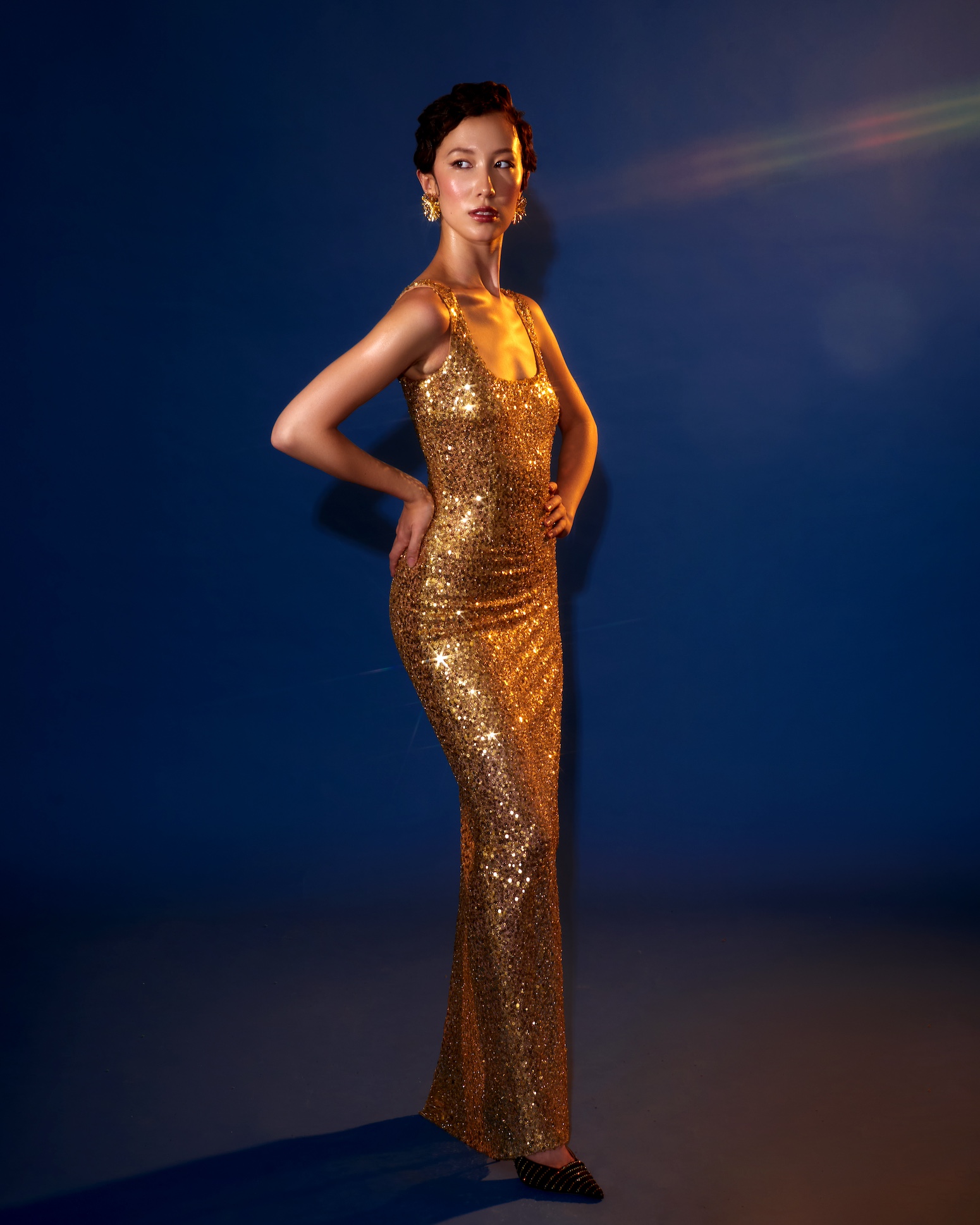
Q: As someone who navigates both academia and the pop world, what have you learned recently about balancing discipline, experimentation, and emotional expression?
Cybèle: Before graduating, I used to separate my life into strict compartments: work time, rest time, creative time. But recently I’ve learned that the real balance comes from approaching everything - even the unglamorous parts - as a form of play. When I look for the magic in things, whether it’s practicing a difficult piano phrase, cleaning my kitchen, or even reading a contract, I stay curious instead of drained. Seeing life as play has actually made me more disciplined and more experimental at the same time, because I’m no longer resisting the moment I’m in. That mindset has rejuvenated me creatively. It allows me to weave discipline, exploration, and emotional expression into one continuous flow instead of treating them as separate modes.
Rapid fire: One composer or pop icon you’d love to trade brains with for a day — go!
Cybèle: Michael Jackson, without question. Even though he’s no longer here, I’d love to experience how his brain deconstructed a song and how he spiritually channeled ideas. And if I could pick a second, Tchaikovsky would be incredible. Two brilliant minds in completely different worlds.
Q: What are you most excited for audiences to experience when you take the stage at the March 2026 SheROCKS showcase?
Cybèle: I’m most excited for audiences to feel completely free to be themselves. My intention onstage is always to bring more joy, more peace, and a sense of elevation to the room. I want people to leave feeling like the most empowered version of themselves, like they can take on the world the second they step outside. If that doesn’t happen, I haven’t done my job. So I can’t wait to share that energy with everyone at SheROCKS.