
Women In Music
.jpg)
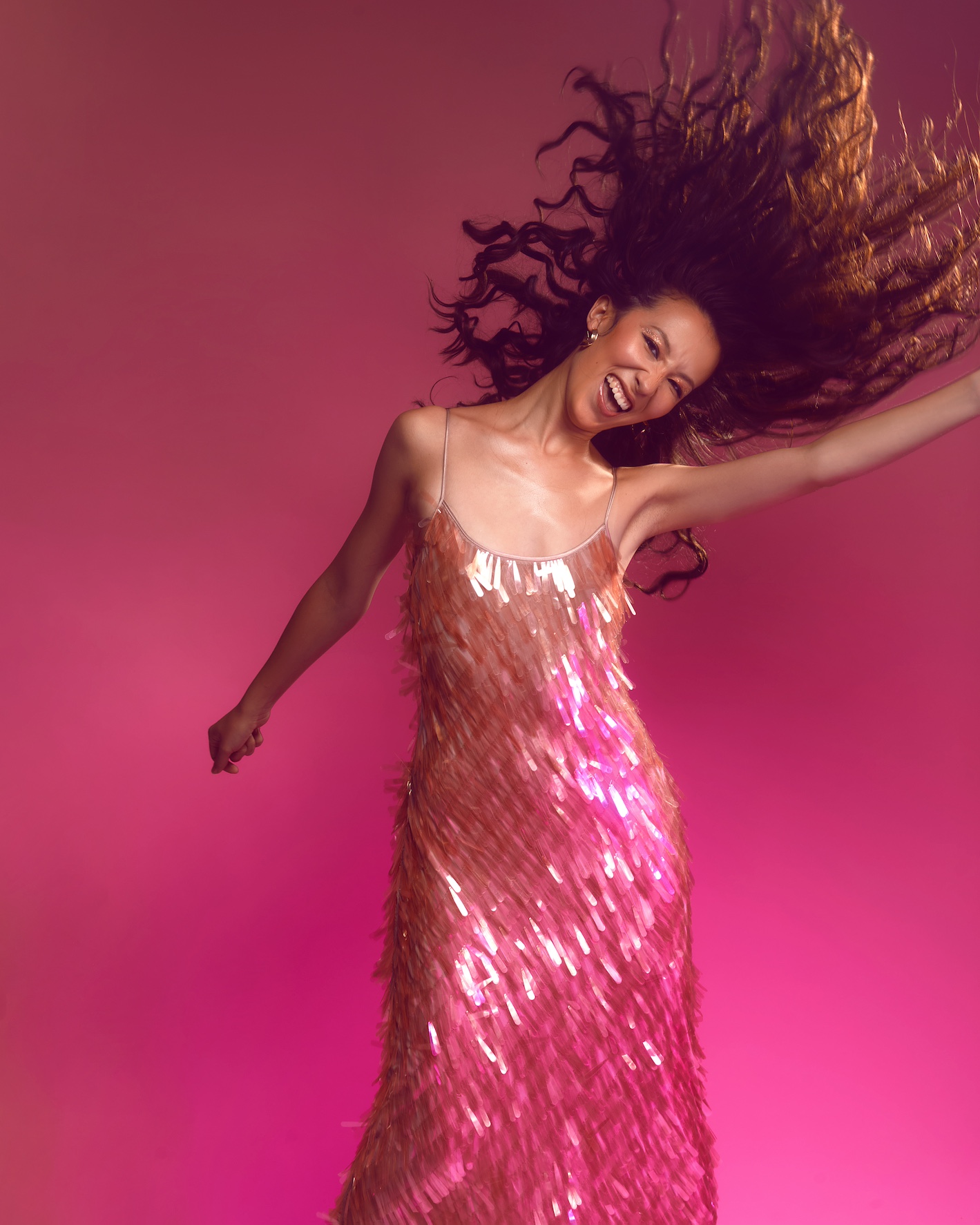
Meet SheROCKS 2026 Artist: AINAE
AINAE’s music feels lived-in—shaped by many homes, many sounds, and many ways of seeing the world. Growing up in a family where cultures, languages, and creative practices overlapped, she learned early that music could hold history, longing, and imagination all at once. That foundation still guides her today, from the joy-driven curiosity of her earliest songwriting to the reflective depth of her latest work.
.jpg)
Q: You can hear the influence of your Ethiopian, Black American, and Caribbean heritage in your sound. How has heritage helped you shape your artistry?
AINAE: My upbringing has a huge hand in the sounds I love and the perspectives I bring to my music. Coming from a family of immigrants, my approach to chasing dreams is different. My family is a real melting pot—American, Ethiopian, Crucian, Danish, and probably a few more! I always lived at the intersection. I grew up going to Mariam [the Ethiopian church], until I was about 10. I would just soak in the music. My mom and I would drive home from school listening to Jasmine Sullivan, Justin Timberlake, and Amy Winehouse on repeat, singing every line. At home, my dad was recording rappers and singers from the neighborhood in our basement studio, and my grandma had me serving tables at her jazz club, Twins Jazz. Music and literature were always part of my world, and that shaped how I see life and create. My music reflects all the journeys I’ve been on and the dreams I’ve witnessed in the people around me.
Q: You started writing songs at age eight. When you look back at that younger version of yourself, what parts of her still guide your creative process today?
AINAE: That little girl still shows up every time I start something new. The rush of excitement, that “omg, we have something!” feeling. She brings pure joy and curiosity. Over the years, my process has changed a lot. I used to chase perfection but now I let myself create without judgment, at least in the early stages. That inner child keeps it fun and reminds me why I started.
Q: “Looking Glass” is your newest EP. What themes or truths were you exploring while creating this project?
AINAE: I recently released “Looking Glass” in October, and it holds a special place in my heart. It was created partially in DC and Atlanta, but most of it came to life during nine months in Norway. making music every single day. I really shed layers and got to the root of who I am. The project explores love in its purest, most naive form. The rose-colored glasses. The romantic-comedy version of falling in love. It’s the moment before reality sets in, before you realize love takes work, not just infatuation.
Q: You’ve had electric moments on big stages from The Voice to SXSW to AFRAM with Patti LaBelle. Which moment challenged you the most, and what did you take from it?
AINAE: The Voice was definitely an eye-opening experience. It felt like a stamp of approval at a time when I was questioning if music was really for me. Being on Kelly Clarkson’s team was surreal...so many “pinch me” moments. But more than anything, it challenged me to take up space and be disciplined. It made me realize no dream is too big. If I could do that, I could do anything.
Q: Your lyrics are very introspective. What’s something you’ve recently learned about yourself that found its way into your music?
AINAE: I’ve realized that when it comes to love, I’m still a bit naive and afraid. Afraid of conflict and of repeating the patterns I saw growing up. “Looking Glass” is about that naivety, before I understood love as a verb, not just a feeling or a fantasy from movies.
Q: Your single “Weekend Lover” has built steady momentum. What does its success mean to you at this stage in your career?
AINAE: My idea of success has really shifted. Every year I set new goals, and I feel blessed to have performed at SXSW and to open up for artists that I've looked up to. I’m proud to consistently release music and have fun with the process- that’s what I love most.
Q: As someone inspired by Jamiroquai, Erykah Badu, and Lauryn Hill, how have those artists influenced you to create something distinctly “Ainae”?
AINAE: All those artists are unapologetically themselves, blending unconventional sounds into classics. I love lyricists. Wordplay and double meanings always get me. I’ve enjoyed putting on my producer hat, experimenting with weird sounds and different perspectives, just like they do.
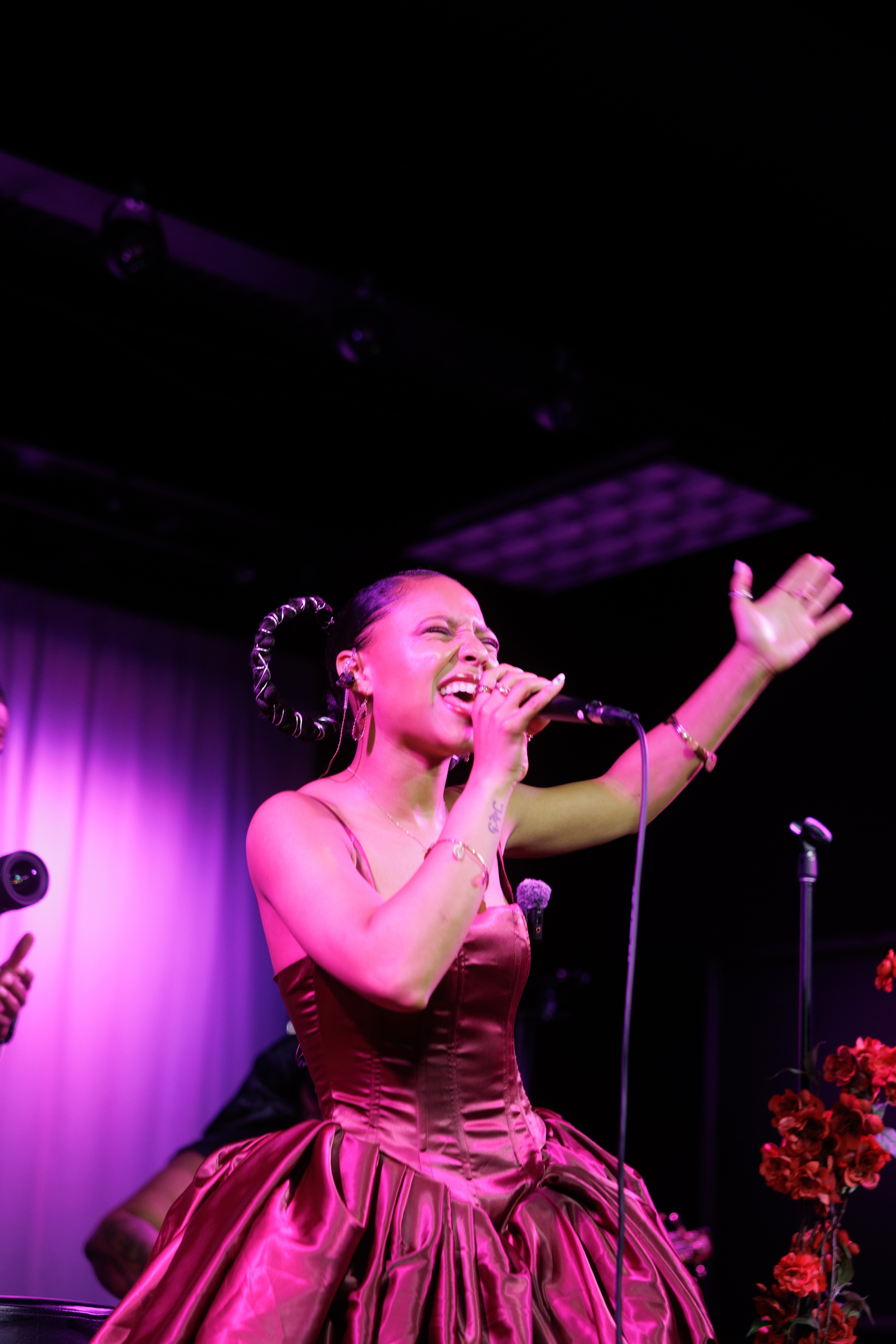
Q: You sold out Union Stage in D.C.. How has the D.C. music community helped shape the artist you’ve become?
AINAE: DC is home! It’s seen every side of me, every version of my artistry. I’ve been lucky to have so much support from the DMV. I built my confidence here and found the freedom to try new things. DC loves live music, and it’s been fun testing out new material and seeing what clicks.
Rapid Fire: A song you wish you wrote — go!
AINAE: “Moving Out” by Billy Joel.
Q: What are you most excited for audiences to experience when you take the SheROCKS stage at the March 2026 showcase?
AINAE: I am most excited for the audience to smile and have a good time with me! I think there's a pure joy in sharing vulnerability and dancing at the same time, so I hope that can be felt on stage and in every listening ear.
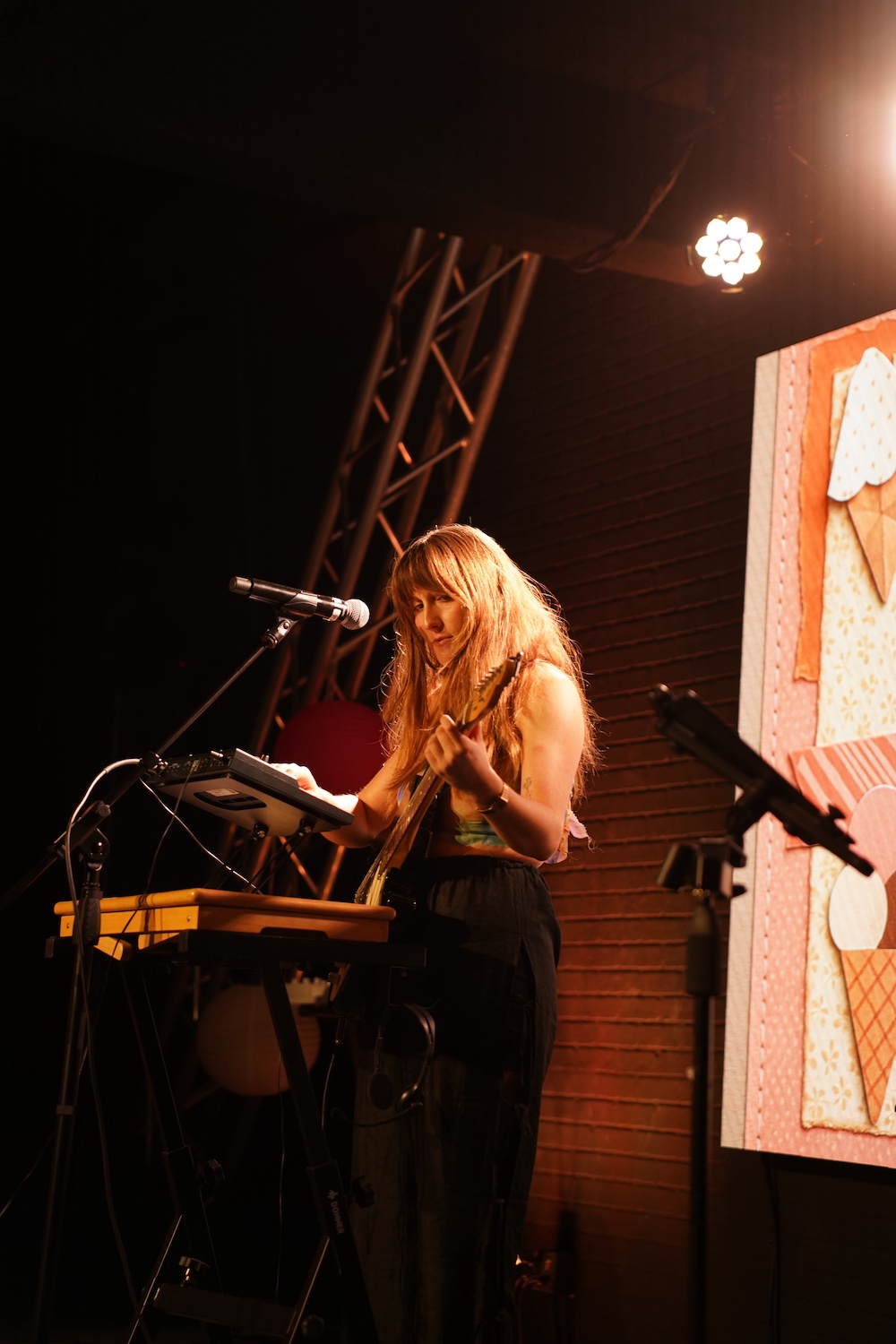
Meet SheROCKS 2026 Artist: Camille Fleur
Camille’s music doesn’t rush, it lingers. She opens up about the personal reinvention behind her upcoming project Liminal, the courage it took to step outside industry expectations, and what it means to build a creative world that feels true to her.
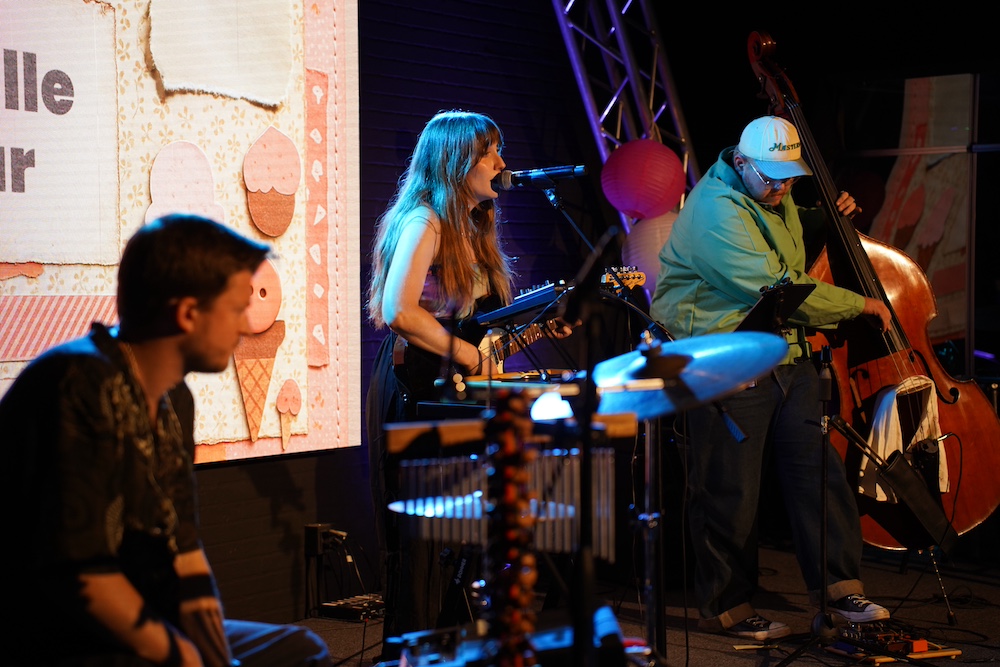
Q: Your music lives in that space between the intimate and the expansive. What draws you to the idea of liminality, and how does it shape the world you create sonically?
Camille: I’m drawn to the moments where life feels in-between, when you’re not who you were, but not yet who you’re becoming. Musically, I love creating spaces that feel like you’re floating in that space: close, warm, but reaching toward something.
Q: As you work on your forthcoming project, “Liminal," what personal experiences or transitions are influencing this project the most?
Camille: “Liminal” comes from a period of reinvention, stepping away from industry expectations, leaving old versions of myself behind, and learning to trust my instincts as an artist.
Q: Your production style feels warm and dreamlike. What textures or sounds do you instinctively reach for when you’re building that atmosphere?
Camille: I gravitate toward soft synth pads, breathy vocals, and gentle strings. I like sounds that feel like they’re glowing, slightly blurry at the edges.
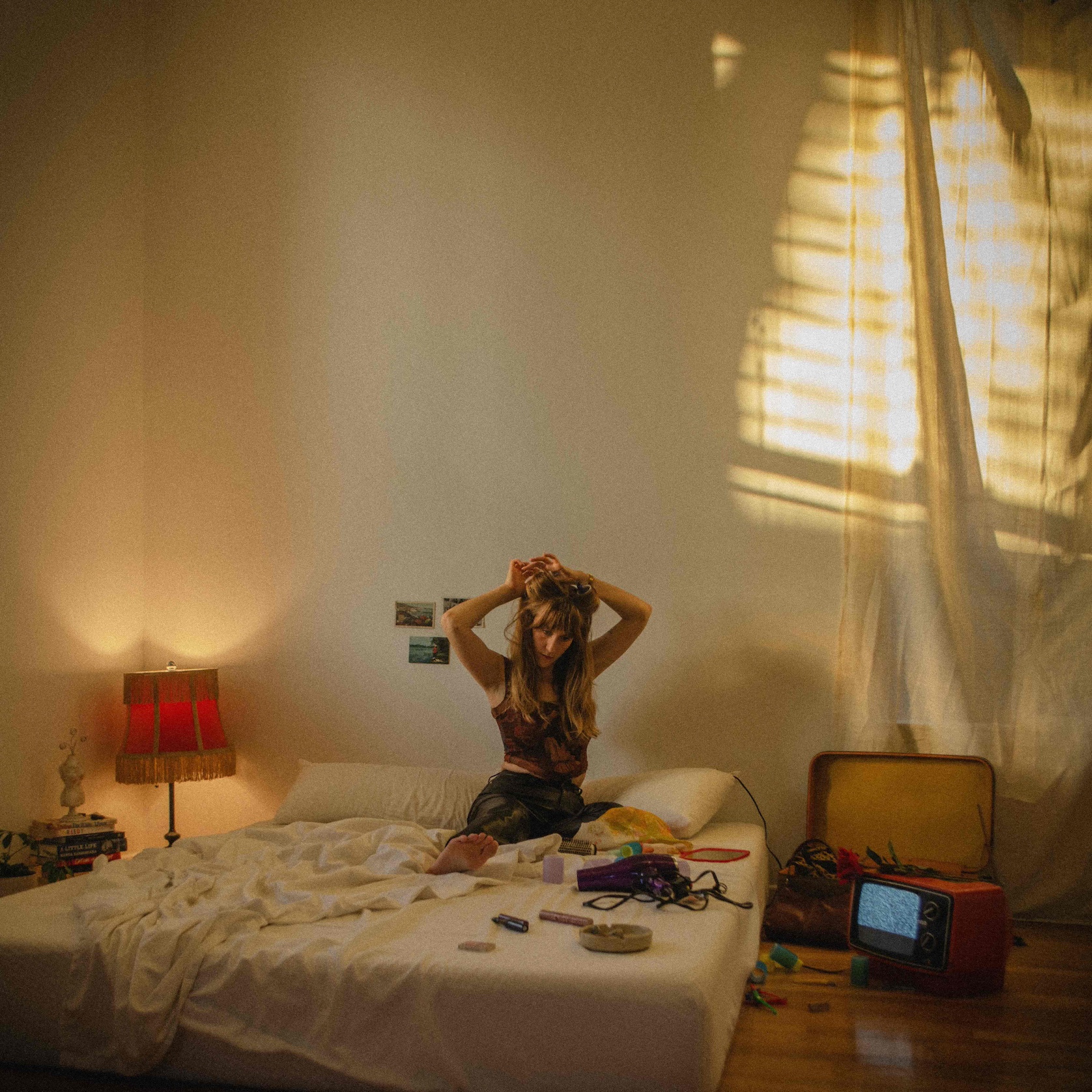
Q: There’s a cinematic quality to your aesthetic as an artist. If your new music were a film, what would the opening scene feel like?
Camille: A slow sunrise over an empty city street, quiet, gold, and full of possibility!
Q: Emotion and introspection are central to your writing. How do you balance vulnerability with artistry when sharing such internal moments?
Camille: My goal with my music is to share just enough to let someone see themselves in the song. The honesty is real, but I frame it in a way that leaves space for the listener to breathe.
Q: As a musician rooted in Los Angeles, how has the city — its pace, its beauty, its chaos — shaped the evolution of your sound?
Camille: LA is a city of contrast: softness inside noise, calm inside ambition. That tension really inspires my music, dreamy, but grounded.
Q: Your music often evokes a sense of becoming. What does transformation mean to you at this stage in your creative journey?
Camille: Transformation means choosing myself, not the safe version, but the true one. It’s trusting my ideas, even when they don’t fit anyone else’s template.
Q: Is this new project a transition into a fresh era for you? What have you discovered about yourself while making “Liminal”?
Camille: Yes, it’s my first era of creating music made entirely for me. I’ve discovered that my voice, both literally and artistically, is stronger when I stop trying to belong and instead create the world I want to live in.
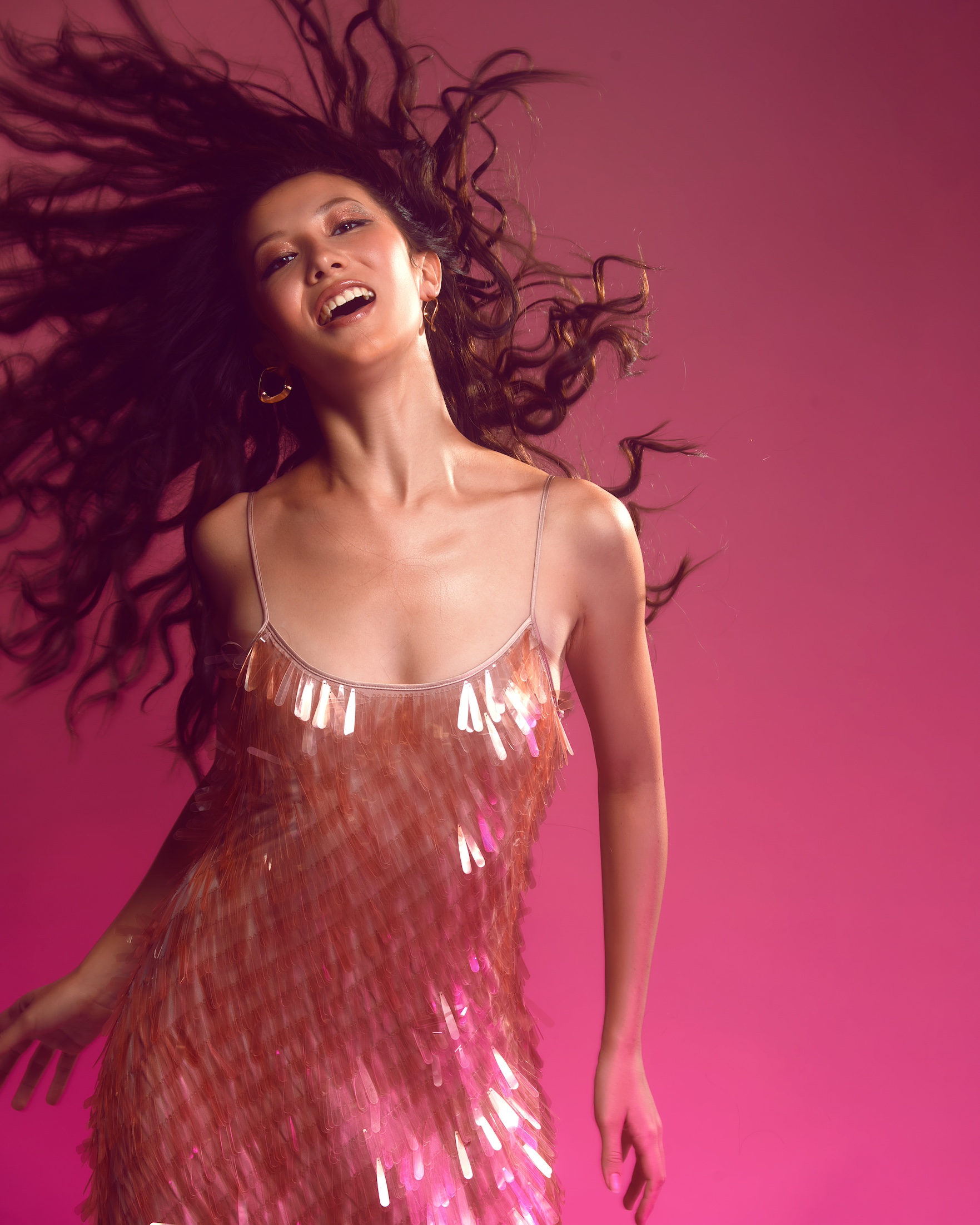
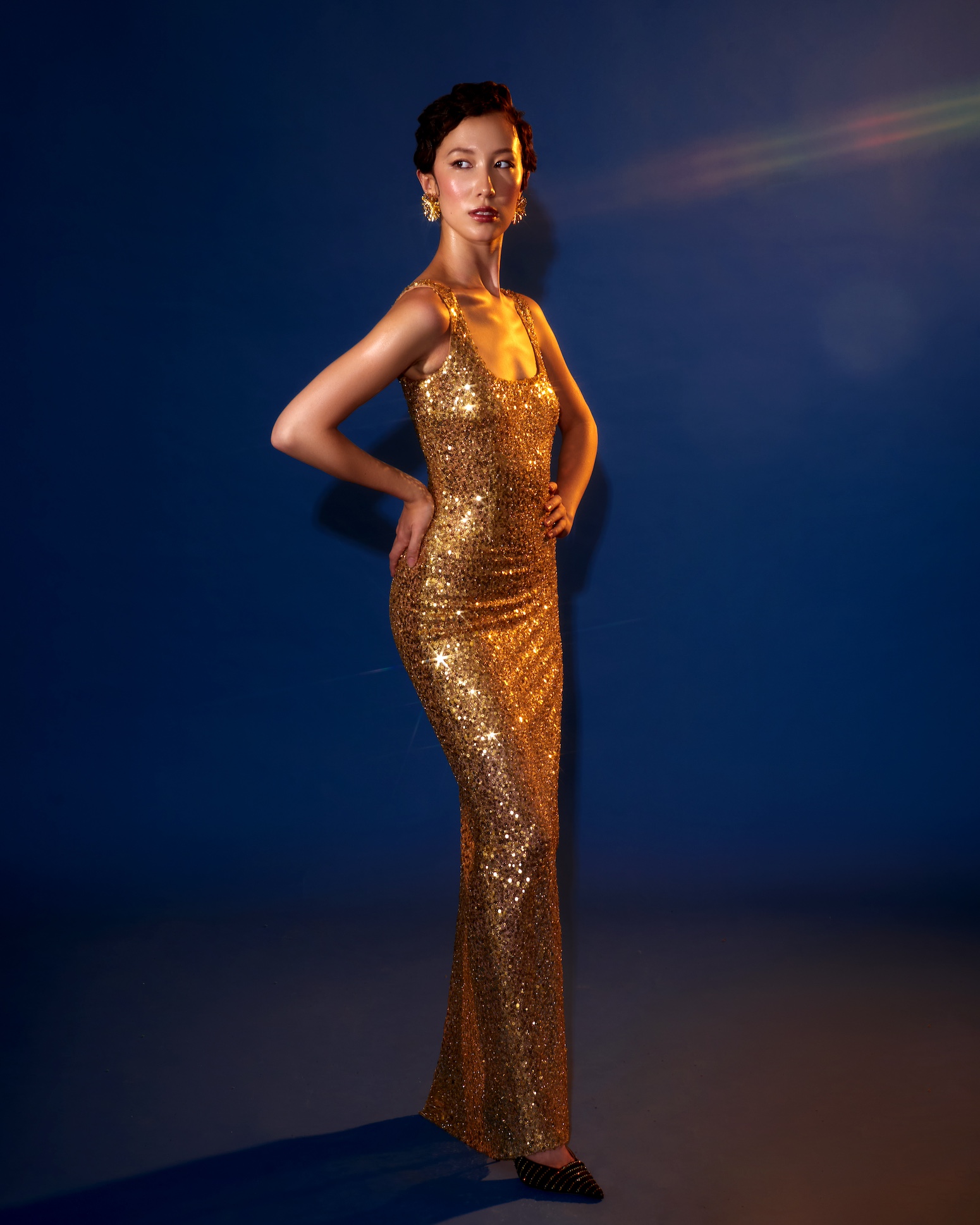
Meet SheROCKS 2026 Artist: Cybèle
Before Cybèle ever understood what it meant to be an artist, she understood what it meant to feel. As a child, she fell asleep to Bach and Tchaikovsky, danced on tables to ABBA, and watched Michael Jackson transform sound into something cinematic, physical, and emotionally exacting. Those worlds fused quietly and instinctively, forming the foundation of a voice that now moves fluidly between orchestral drama, pop euphoria, and soulful honesty. During our Q&A, Cybèle opens up about the influences that shaped her, the discipline behind her devotion to craft, and how intention guides her work when composing for purpose-driven brands.
Q: Your sound has been described as “ABBA meets MJ with a touch of Tchaikovsky.” How did you arrive at this fusion of disco, gospel, and orchestral influences?
Cybèle: I think my sound emerged very naturally from the music I grew up with. My mother was a classical violinist for over twenty years, so our house was always filled with Bach, Tchaikovsky, Beethoven, Rachmaninoff, Mozart – all these sweeping orchestral worlds. I was so sensitive to it that I’d sometimes cry at night because the music moved me so deeply. At the same time, I became obsessed with ABBA - especially Mamma Mia. I was that little kid dancing on tables, singing every word. And then I discovered Michael Jackson around age six or seven and saw, maybe for the first time, what it meant to be a complete artist - someone who created an entire universe through sound, movement, and emotion.
Those three influences, classical, disco, and the soulfulness of MJ, just fused inside me long before I had the language for it. So when I write now, I’m really just translating what shaped me: the drama and grandeur of orchestral music, the euphoria of ABBA, and the emotional honesty and groove of Michael Jackson. My goal is always to weave them into something that feels heartfelt, cinematic, and completely my own.
Q: You’ve lived in Paris, Beijing, and LA. How has your global upbringing shaped the way you think about genre, storytelling, and connecting with audiences across cultures?
Cybèle: Living in Paris, Beijing, and LA taught me very early that, across cultures, people are much more similar than they are different. No matter where you go, everyone is looking for stories with an arc, a beginning, a middle, an end, and for that sense of catharsis that helps make sense of a chaotic world. We go to theaters, concerts, and films because we want relief, reflection, and a deeper understanding of our own lives.
For me, that realization shaped the way I approach genre and storytelling. The form of stories is universal; the details change depending on the culture, but the emotional search is always the same. Audiences everywhere want to see themselves in the art. They want to feel understood. They want meaning.
My global upbringing helped me see that if you tell the truth emotionally, it will resonate anywhere. That, to me, is the most beautiful part of being an artist — creating something that crosses borders not because of language or style, but because it speaks to the humanity in all of us.
Q: You bridge classical training with modern pop production. What excites you most about blending academic rigor with emotional, high-energy songwriting?
Cybèle: I think what academic rigor has taught me is that the “God is in the details”, as the acclaimed musical theater writer Sondheim once said. The details and the specificity of the language that we use both musically and linguistically communicates everything. And honestly, when you're cleaning a song, there's no detail too big or too small to be worked on. Academia has taught me that it's also important to be a student and to study greatness before you try to emulate it. It’s really hard to craft your own voice without having an understanding of what came before you. It's like trying to be a writer without having read a single book or trying to be a pianist without having ever studied Chopin. I think it's very important to study. It's very important to care about the craft. Paying attention to the details is important before we can fully let go and let our intuition guide us in the creation process.
Q: Receiving the “Shining Star” Award from Larry Dunn after performing for Berry Gordy’s birthday is monumental. What did that moment teach you about your artistic voice and where it can take you?
Cybèle: That moment taught me that there truly is no limit to where talent, discipline, and devotion can take you. Standing in a room with Berry Gordy and receiving the “Shining Star” Award from Larry Dunn reminded me that even our heroes were once young, curious, and wide-eyed– the difference is simply years of commitment to their craft. It also showed me how essential it is to surround myself with people whose greatness challenges me to expand my own capacity. Being in that environment didn’t just validate my artistic voice; it pushed me to imagine a higher version of myself and to work relentlessly toward it.
Q: Your work has been commissioned and honored by major institutions from the American Cancer Society to the Grammy Museum. How do you approach composing for mission-driven or narrative-driven projects?
Cybèle: For mission-driven or narrative-driven projects, creative intention is everything. I always start by researching the organization or story in depth so I understand not just the facts, but the emotional truth behind them. A song can educate, but its real power is in how it makes people feel, so the challenge is finding the balance between clarity of message and emotional resonance. My job as a songwriter is to take historical context or complex ideas and translate them into something human, immediate, and heartfelt. When I have a strong grasp of both the research and the emotional core, the writing naturally aligns with the purpose of the project.
Q: Your visual and musical identity is bold and cinematic. When you’re building a new song, what elements do you consider to ensure it feels both timeless and distinctly yours?
Cybèle: When I’m building a new song, I’m always chasing a feeling rather than following a formula. Harmonically and melodically, I have certain instincts that are just mine. For instance, I love slipping in and out of the key of the song to find colors that feel unexpected and emotional. And because I grew up loving film scores and musical theatre, I naturally gravitate toward writing music that feels cinematic, like an experience rather than just a three-minute track.
For me, timelessness comes from creating something I’m genuinely moved by. If I feel immersed in the world of the song. If the harmony, the storytelling, and the atmosphere of the song move me, then there’s a good chance someone else could feel that too. I always create for myself first. The distinctiveness comes from being honest about what moves me and letting that guide the sound.
Q: You’ve collaborated with global brands like 88Rising and Prada Beauty. How do you stay rooted in authenticity while creating in these highly collaborative, high-visibility spaces?
Cybèle: For me, the key is remembering that these brands chose to work with me because of my voice, not despite it. There’s no point in abandoning my own “sauce” just to cook in someone else’s kitchen. I feel incredibly honored to collaborate with companies like 88Rising and Prada Beauty, but I also know what I bring to the table. I’ve spent years refining my perspective, my sound, and my artistic identity. So I stay grounded by trusting that authenticity is my greatest asset. I show up grateful, but I also show up as myself.
Q: As someone who navigates both academia and the pop world, what have you learned recently about balancing discipline, experimentation, and emotional expression?
Cybèle: Before graduating, I used to separate my life into strict compartments: work time, rest time, creative time. But recently I’ve learned that the real balance comes from approaching everything - even the unglamorous parts - as a form of play. When I look for the magic in things, whether it’s practicing a difficult piano phrase, cleaning my kitchen, or even reading a contract, I stay curious instead of drained. Seeing life as play has actually made me more disciplined and more experimental at the same time, because I’m no longer resisting the moment I’m in. That mindset has rejuvenated me creatively. It allows me to weave discipline, exploration, and emotional expression into one continuous flow instead of treating them as separate modes.
Rapid fire: One composer or pop icon you’d love to trade brains with for a day — go!
Cybèle: Michael Jackson, without question. Even though he’s no longer here, I’d love to experience how his brain deconstructed a song and how he spiritually channeled ideas. And if I could pick a second, Tchaikovsky would be incredible. Two brilliant minds in completely different worlds.
Q: What are you most excited for audiences to experience when you take the stage at the March 2026 SheROCKS showcase?
Cybèle: I’m most excited for audiences to feel completely free to be themselves. My intention onstage is always to bring more joy, more peace, and a sense of elevation to the room. I want people to leave feeling like the most empowered version of themselves, like they can take on the world the second they step outside. If that doesn’t happen, I haven’t done my job. So I can’t wait to share that energy with everyone at SheROCKS.
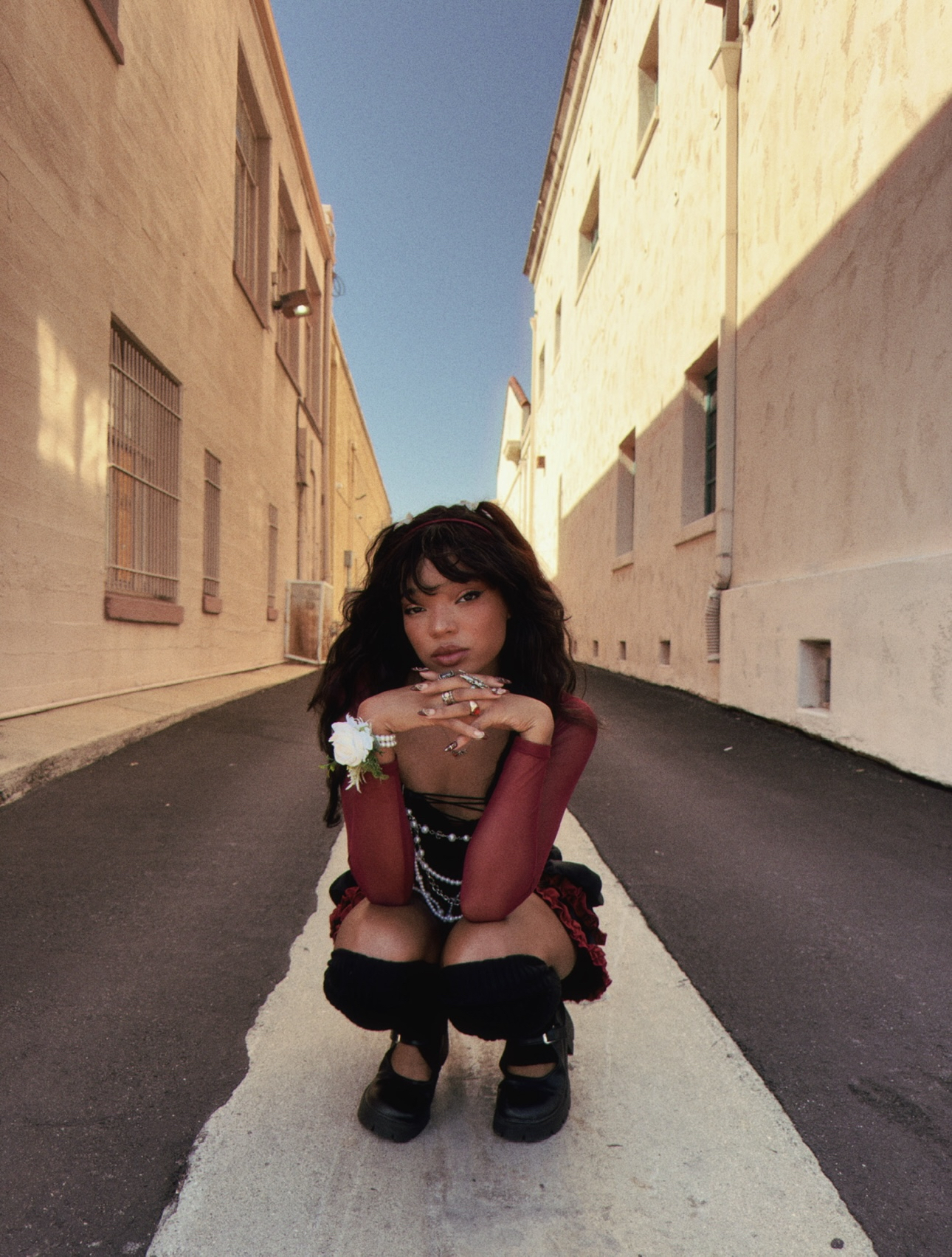
Meet SheROCKS 2026 Artist: Makhyli
Makhyli Simpson learned what success looked like before she was old enough to drive. By 15, she had moved to Los Angeles. By 16, she had signed a major record deal. And as a member of Boys World, she reached global audiences, collaborated with major brands, and became a familiar face to millions. But this next chapter is different. In this candid Q&A, Makhyli speaks openly about stepping out on her own, navigating mental health, unlearning industry expectations, and creating music that reflects who she truly is today. What emerges is a portrait of an artist choosing vulnerability, autonomy, and truth — inviting us to witness her evolution in real time.

Dazzling Victory: Women Reign Supreme at the 2024 Grammy Awards
The 2024 Grammy Awards proved to be a groundbreaking night for women artists, with a dominating presence across various categories. The energy was palpable, the undertone of support for women artists undeniable, and the stage set for history to be made. One artist who left an indelible mark on the night was none other than Taylor Swift, who etched her name in Grammy history by securing Album of the Year for the fourth time with her masterpiece, 'Midnight.'
Swift's achievement reflects not only her incredible talent but also the power of an incredibly supportive fanbase. In her acceptance speech for Best Pop Vocal Album she said, “ I want to say thank you for the members of the Recording Academy for voting this way, but I know that the way the Recording Academy voted is a direct reflection of the passion of the fans.”. The night was further enriched by the legendary Joni Mitchell, gracing the Grammy stage for her inaugural performance, marking a historic moment in her illustrious career.
Another highlight was the rare live performance of Tracy Chapman, who captivated the audience with a heartfelt rendition of 'Fast Car,' joined by Luke Combs. The collaboration was a powerful intersection of past and present, reminding us of the timeless impact of great music.
Speaking of timeless music, Burna Boy brought out R&B royalty Brandy for his hit 'SITTING ON TOP OF THE WORLD,' the song released in 2023 notably samples Brandy's 1998 song 'TOP OF THE WORLD,' creating a magical blend of world music with R&B.
As we celebrate the influence of women in music, let's take a moment to acknowledge the remarkable women who claimed victory in various categories at the 2024 Grammy Awards:

- Record Of The Year: Miley Cyrus - 'Flowers'
- Courtesy of the Recording Academy® / Getty Images ©Album Of The Year: Taylor Swift - 'Midnight'
- Song Of The Year: Billie Eilish O'Connell and Finneas O'Connell - 'What Was I Made For?' from The Motion Picture "Barbie"
- Best New Artist: Victoria Monét
- Best Pop Solo Performance: Miley Cyrus - 'Flowers'
- Best Pop Duo/Group Performance: SZA Featuring Phoebe Bridgers - 'Ghost In The Machine'
- Best Pop Vocal Album: Taylor Swift - 'Midnight'
- Best Pop Dance Recording: Kylie Minogue - 'Padam Padam'
- Best R&B Performance: CoCo Jones - 'ICU'
- Best Traditional R&B Performance: Susan Carol (featured on PJ Morton's 'Good Morning')
- Best R&B Song: SZA and co-collaborators - 'Snooze'
- Best Progressive R&B Album: SZA - 'SOS'
- Best R&B Album: Victoria Monét - 'JAGUAR II'
- Best Jazz Performance: Samara Joy - 'Tight'
- Best Jazz Vocal Album: Nicole Zuraitis - 'How Love Begins'
- Best Alternative Jazz Album: Meshell Ndegeocello - 'The Omnichord Real Book'
- Best Traditional Pop Vocal Album: Laufey - 'Bewitched'
- Best Country Duo/Group Performance: Lainey Wilson (featured on Zach Bryan's 'I Remember Everything')
- Best Country Album: Lainey Wilson - 'Bell Bottom Country'
- Best American Roots Performance: Allison Russell - 'Eve Was Black'
- Best Americana Performance: Brandy Clark Featuring Brandi Carlile - 'Dear Insecurity'
- Best Folk Album: Joni Mitchell - 'Joni Mitchell At Newport [Live]'
- Best Contemporary Christian Music Performance/Song: Tasha Cobbs Leonard and Lecrae - 'Your Power'
- Best Latin Pop Album: Gaby Moreno - 'X Mí (Vol. 1)'
- Best Música Urbana Album: Karol G - 'MAÑANA SERÁ BONITO'
- Best Latin Rock or Alternative Album: Natalia Lafourcade - 'De Todas Las Flores'
- Best African Music Performance: Tyla - 'Water'
- Best New Age, Ambient, or Chant Album: Carla Patullo Featuring Tonality And The Scorchio Quartet - 'So She Howls'
- Best Audio Book, Narration, and Storytelling Recording: Michelle Obama - 'The Light We Carry: Overcoming In Uncertain Times'
- Best Song Written For Visual Media: Billie Eilish O'Connell and Finneas O'Connell - 'What Was I Made For?' from The Motion Picture "Barbie"
- Best Engineered Album, Non-Classical: Victoria Monét and co-collaborators - 'JAGUAR II'
- Producer Of The Year, Classical: Elaine Martone
- Best Immersive Audio Album: Alicia Keys and co-collaborators - 'The Diary Of Alicia Keys'
- Best Arrangement, Instruments and Vocals: Erin Bentlage, Jacob Collier, Sara Gazarek, Johnaye Kendrick & Amanda Taylor, arrangers (säje Featuring Jacob Collier) - 'In The Wee Small Hours Of The Morning'
- Best Contemporary Classical Composition: Jessie Montgomery - 'Montgomery: Rounds'

For a comprehensive list of all the winners, visit here. The 2024 Grammy Awards not only celebrated the talent and achievements of women in music but also paved the way for a future where their voices continue to resonate and inspire.

Remembering The Unstoppable Force of the Queen of Rock 'n' Roll
Forever leaving an indelible mark on the genre with hits like "River Deep - Mountain High" and "Proud Mary," Queen of Rock 'n' Roll, Tina Turner was a magnetic force who shook up the industry for nearly 60 years. On Wednesday, May 24, the beloved singer died at her home in Switzerland after battling a longstanding illness.
Born Anna Mae Bullock on November 26, 1939, in Nutbush, Tennessee, to a family of sharecroppers, Tina Turner started her music career in 1960 after catching the attention of musician Ike Turner.
After enduring a tumultuous and abusive relationship with Ike, Tina Turner summoned the courage to break free and rebuild. Her solo career took flight in the early 1980s, and she released her first solo album, "Private Dancer," in 1984. This album became a global phenomenon, spawning hit singles such as "What's Love Got to Do with It" and "Private Dancer" and earning her numerous awards, including four Grammys.
In the late 1980s and early 1990s, Tina Turner solidified her status as a musical icon with a run of successful albums. "Break Every Rule" (1986), "Foreign Affair" (1989), and "Wildest Dreams" (1996) showcased her vocal range and enduring talent, cementing her position as one of the greatest performers of all time. Tina's live performances were awe-inspiring, captivating audiences with her boundless energy and unmistakable charisma.
Her story has taken center stage in many forms. In 1993, actress Angela Basset played the star in the film "What's Love Got To Do With It," documenting her rise to stardom. "Tina: The Tina Turner Musical" premiered on Broadway in 2018, celebrating her life and career. It garnered critical acclaim, showcasing the power of her music and the resilience of her spirit. In conjunction with the musical, Tina released her autobiography, "My Love Story," in 2018, giving fans an intimate look into her journey.
Her unique blend of rock, soul, and blues transcended genres and inspired countless artists. In recognition of her unparalleled contributions, she was inducted into the Rock and Roll Hall of Fame in 1991. She later received the Grammy Lifetime Achievement Award in 2018. Her influence continues to resonate with new generations of musicians, ensuring that her legacy will endure for years to come.
Tina Turner's career is a testament to the power of resilience, talent, and unwavering determination. From her humble beginnings in Tennessee to becoming a global icon, she has overcome immense challenges and triumphed in the face of adversity. Tina's magnetic stage presence, soulful voice, and electrifying performances have left an indelible mark on the world of music. Her journey inspires us to believe in ourselves, to push boundaries, and to never give up on our dreams. As we celebrate Tina Turner's unparalleled career and life, let us remember her as the unstoppable force of rock 'n' roll, forever etched in the annals of music history.

9 Women Artists Changing the Game
USC’s Annenberg recent Inclusion Initiative report explored artists and creators of the top 800 songs on Billboards hot 100 charts spanning from 2012 to 2019. The study found that women made up only 27.1% of artists, 12.5% of songwriters, and an astounding 2.6% are producers. Our goal is to shed light on the many women who are immensely talented music producers, composers, audio engineers, artists, songwriters, and instrumentalists changing the way we experience music for now and the future.
Here is a wrap-up of a few women you should know about that are changing the game in the music industry and paving the way for a new generation of women in music.

E01 - Georgia Stitt | Supporting Women & Non-binary Musicians

E04 - Janishia Jones | The Business of Music + Advocating for Yourself

E02 - Katrina Lee | "It Took Me Four Years to Land a Job at The Recording Academy"

E01 - Meet The Artists- SheROCKS 2022 (Part I)
